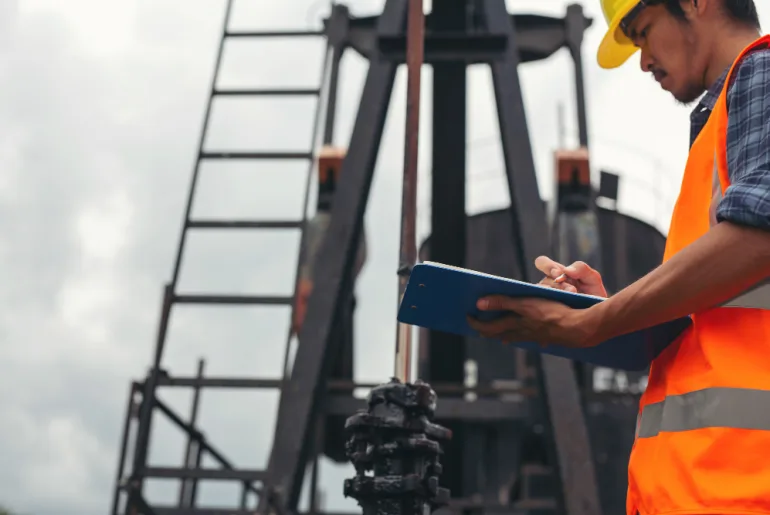
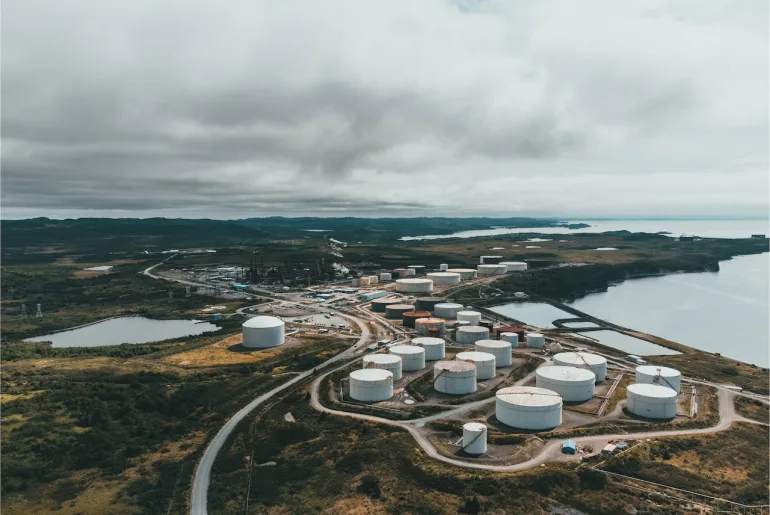
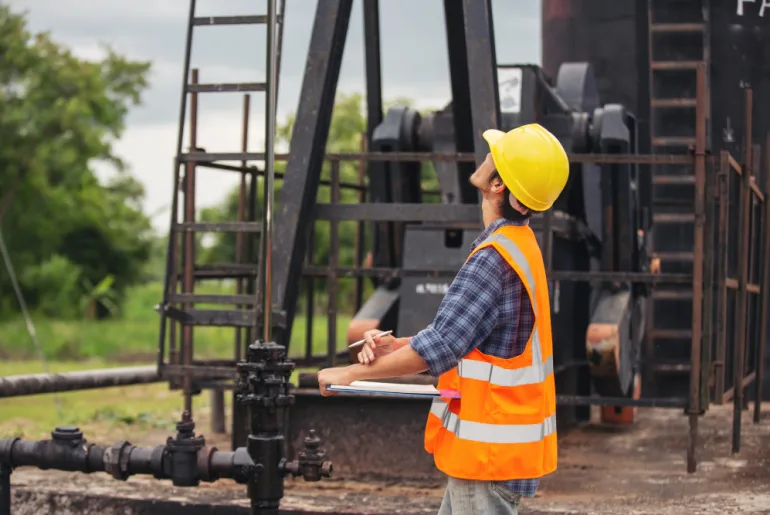
Oil process facilities consist of the infrastructure, machinery, and systems utilized in the processing and refining of crude oil to create valuable petroleum products. These facilities encompass several stages in the process, such as separating, purifying, fractionating, and treating the…
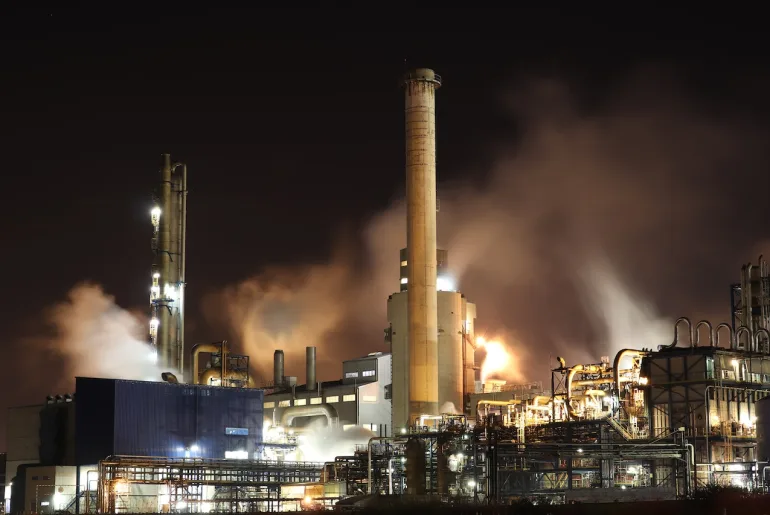
Advanced HPHT well engineering refers to the use of advanced methods and techniques in designing, constructing, and operating High-Pressure High-Temperature (HPHT) wells. It uses engineering principles, cutting-edge technologies, and risk evaluation to tackle the difficulties posed by extremely high pressures…
When it comes to seeking a high-quality training course in the oil and gas industry, PetroSync has always been the right choice for you to take. As a renowned Petroleum training in Kuala Lumpur , PetroSync has established itself as…
Well Integrity Cased Hole Logging & Reservoir Monitoring Overview In the Well Integrity Cased Hole Logging and Reservoir Monitoring training course, you will be introduced to the fundamental concepts of rock physics properties and the petrophysical parameters essential for interpreting…
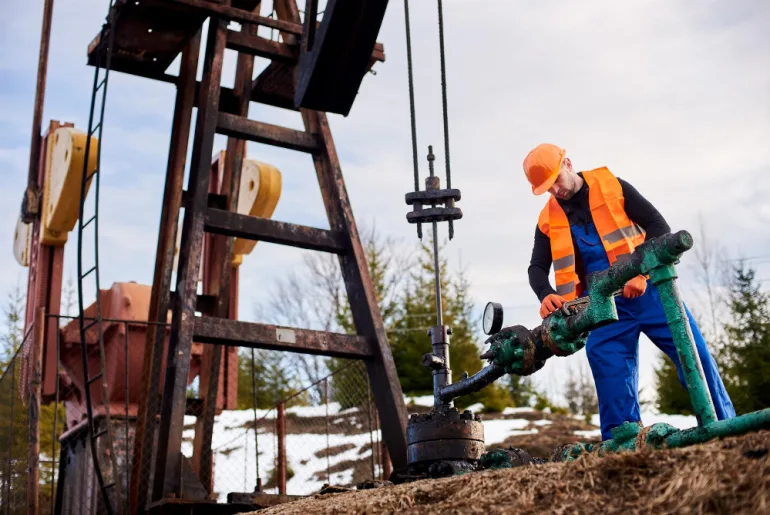
Wellbore treatment refers to the use of specific techniques and procedures in oil and gas wells to tackle different issues that can affect the performance of the well. These treatments are applied to the wellbore, which is the drilled hole…
In the oil and gas industry, API inspectors play a critical role in ensuring compliance with industry standards. They are responsible for conducting inspections, audits, and assessments of facilities, equipment, and processes to guarantee adherence to API guidelines. This article…
The CMRP certification is a prestigious recognition for maintenance and reliability professionals seeking to enhance their careers. This guide offers valuable insights into CMRP certification, including its benefits, application process, exam details, and valuable materials for exam preparation. Read on…
A shell and tube heat exchanger functions as a heat transfer device utilized in various industries for exchanging heat between two fluids without any contact between the two. The exchanger comprises a cylindrical vessel called a shell, which encloses a…
A well log, also known as a borehole log or simply a log, is a record of measurements taken during the drilling of an oil or gas well. In well-log analysis, engineers interpret and analyze data from well logs to…
Reliability-Centered Maintenance (RCM) is a maintenance strategy implemented at the organizational level to maximize the effectiveness of maintenance programs by establishing minimum required levels of equipment upkeep. RCM focuses on aligning specific assets with the most suitable maintenance techniques with…