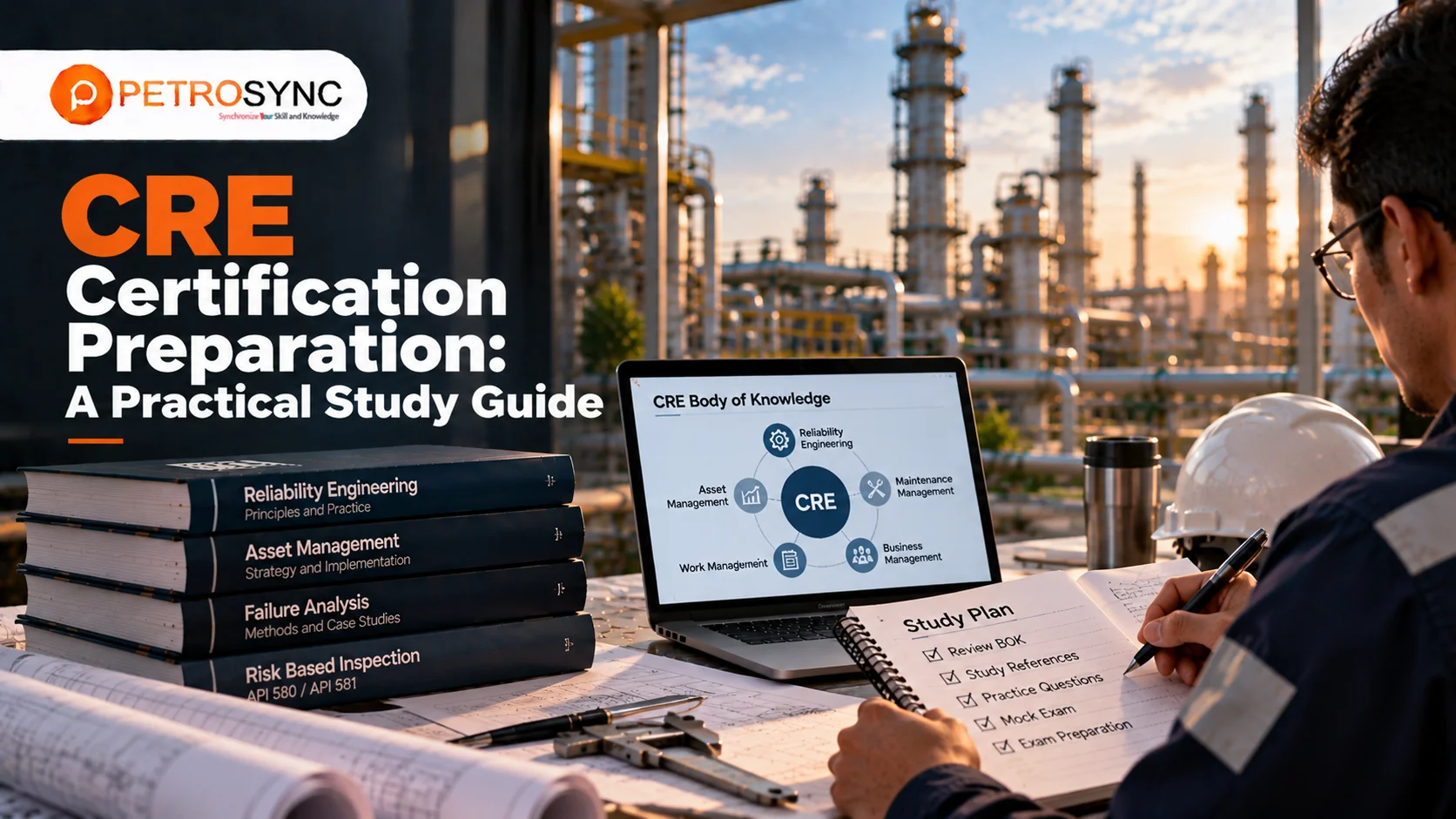
The Certified Reliability Engineer (CRE) discussed here is the professional credential administered by the American Society for Quality (ASQ). Getting certified involves more than enrolling in a course and taking an exam. Candidates first need to meet ASQ eligibility requirements,…
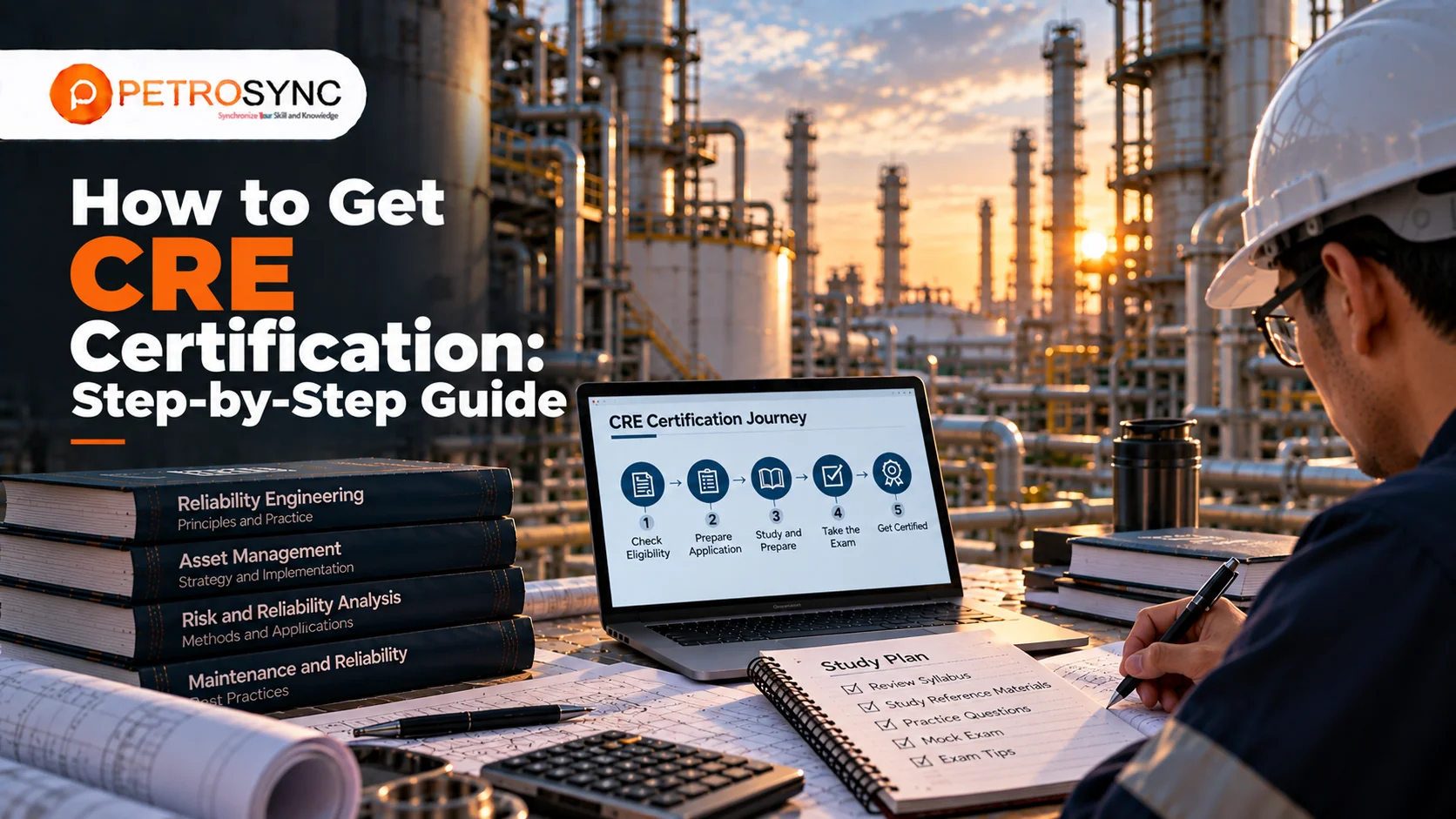
How Should You Prepare for CRE Certification? A practical CRE preparation process is to confirm the current Body of Knowledge and exam rules, assess your strongest and weakest areas, organize a reliable open-book reference set, work through technical problems, practice…
The Certified Reliability Engineer (CRE) discussed here is the credential administered by the American Society for Quality (ASQ). Current eligibility is driven mainly by professional experience: 8 years of relevant on-the-job experience, including 3 years in a decision-making position, completed…
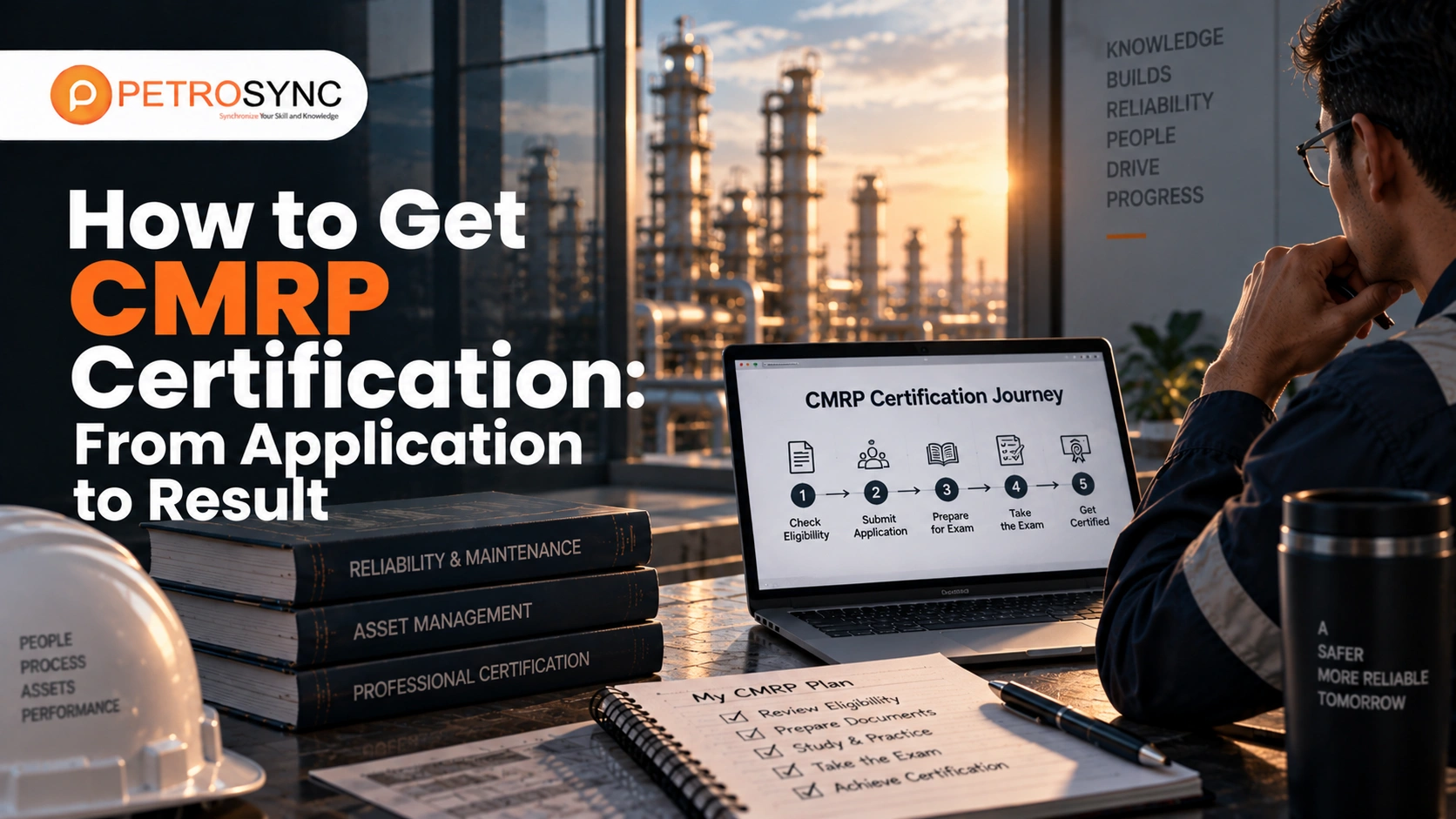
What Are the Steps to Get CMRP Certification? To get CMRP certification, use the SMRP/SMRPCO process: confirm the correct credential and basic eligibility, submit the application and applicable fee, receive Authorization to Test, schedule the Pearson VUE exam, and sit…
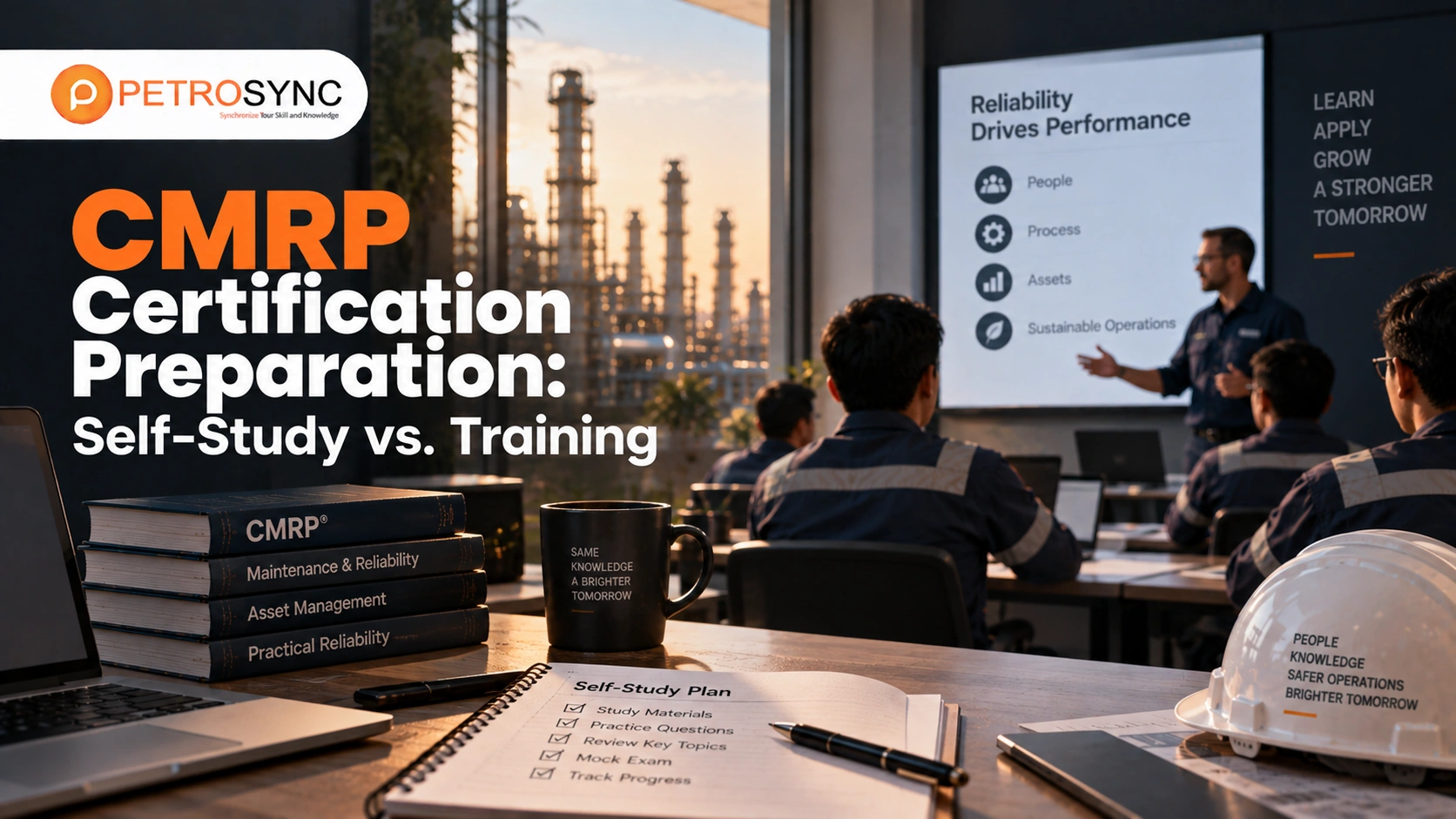
CMRP certification preparation starts with a practical decision: can you organise your learning independently, or do you need additional structure and support? For the Certified Maintenance & Reliability Professional credential, consider your starting knowledge and the areas you need to…
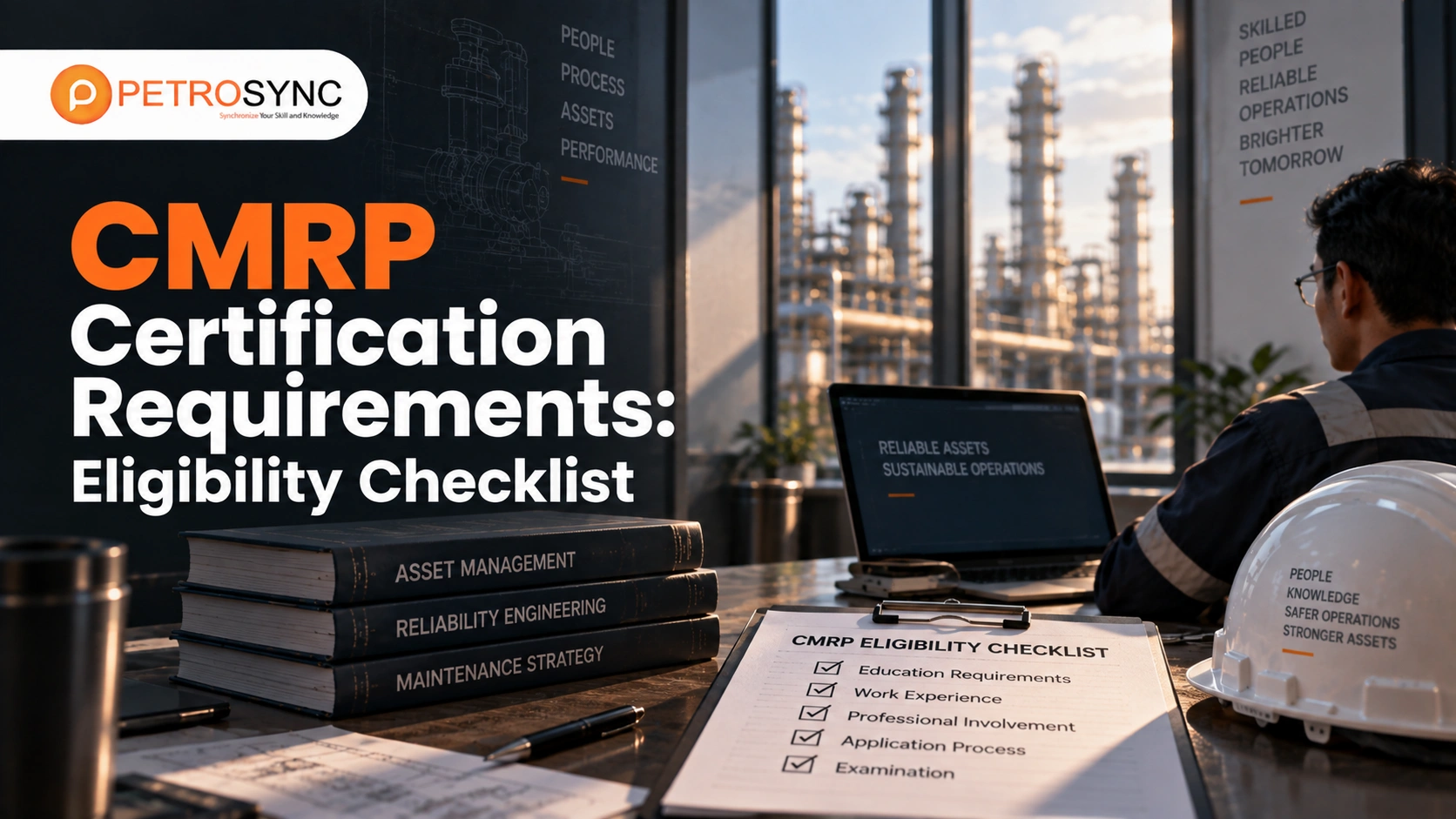
Checking CMRP certification requirements helps you separate formal entry conditions from the preparation you may need. Before paying an exam fee or choosing a course, establish which requirements apply to your application and which decisions concern your learning needs. This…
Operational failures in petrochemical facilities often reduce production stability and increase industrial maintenance costs. Many companies also struggle with inspection readiness, asset integrity, and operational reliability challenges. Proper Petroleum Engineering and petrochemical training helps industrial teams improve operational continuity and…
Power plant operations often face reliability issues, unplanned shutdowns, and rising maintenance costs. These challenges directly affect operational continuity, compliance performance, and long-term facility productivity. Industrial companies now require stronger technical competency to maintain stable and efficient power plant operations.…
Reliability engineering is one of the most powerful approaches to boosting industrial efficiency across sectors such as oil and gas, manufacturing, and energy. By ensuring systems and equipment perform reliably over time, organizations can minimize downtime, increase productivity, and strengthen…
In complex industrial environments such as oil and gas, equipment failures, operational disruptions, and safety incidents can occur despite well-planned maintenance programs. When these problems arise, organizations often focus on fixing the immediate issue. However, without identifying the underlying cause,…