


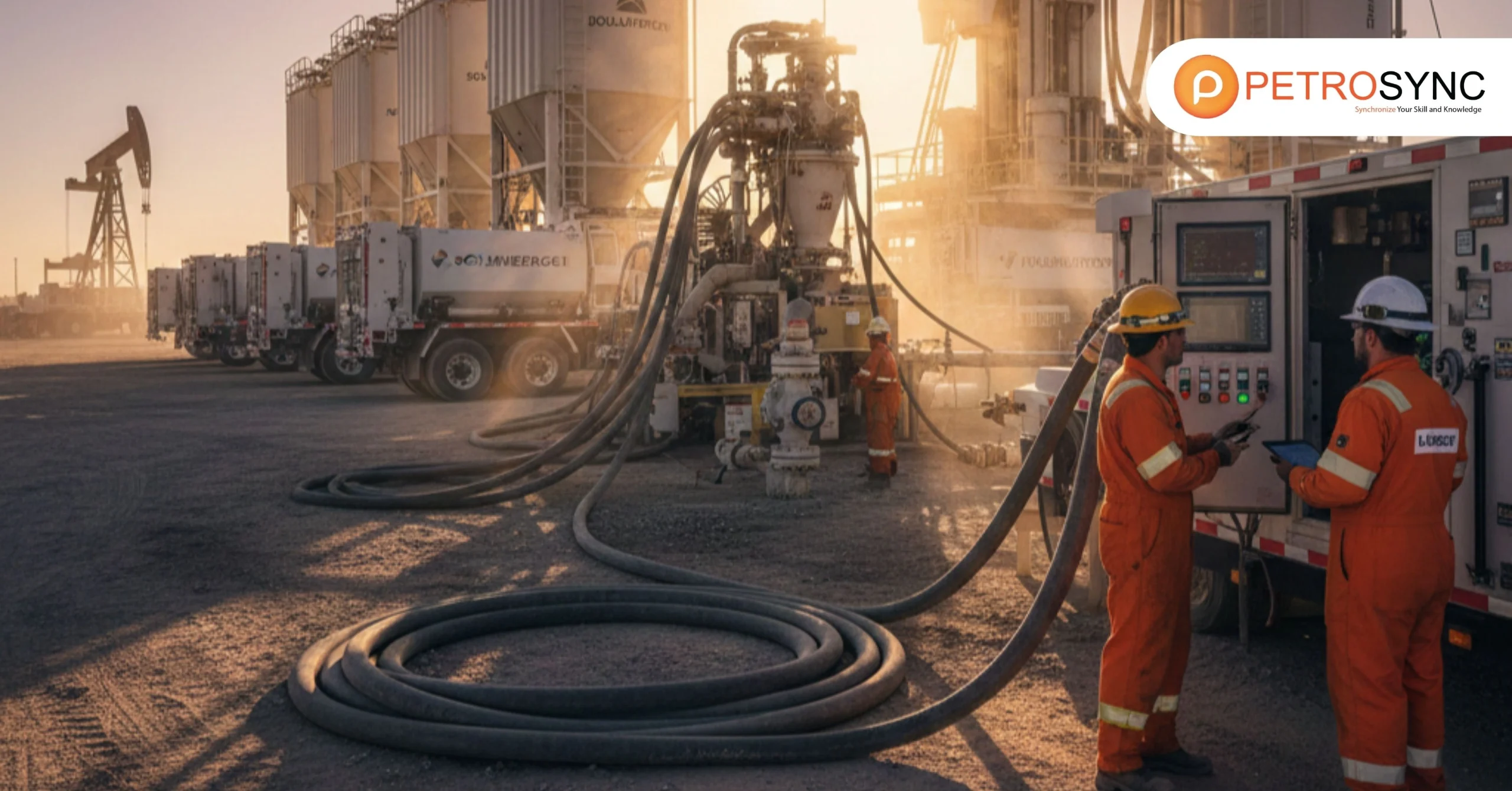
⦁ Hydraulic fracturing training is essential for mastering geomechanics, fracture behavior, and real-time decisions in complex unconventional reservoirs.
⦁ Structured courses replace guesswork with solid engineering logic, improving treatment design accuracy and on-site confidence.
⦁ Advanced frac skills reduce high-pressure operational risks while protecting well integrity and long-term asset value.
⦁ Teams gain hands-on capability in modeling, optimization, diagnostics, and data-driven field execution.
⦁ Continuous upskilling keeps engineers aligned with new technologies, cross-team collaboration, and leadership expectations.
Hydraulic fracturing courses have become a critical pathway for engineers and leaders seeking to master modern stimulation practices and unlock optimal performance from unconventional reservoirs. As the industry shifts toward tighter formations, deeper targets, and more complex subsurface conditions, relying on outdated models or limited field experience is no longer enough.
Achieving consistent results now requires a strong command of geomechanics, fracture mechanics, treatment design, and real-time operational decision-making. For senior engineers, managers, and executives who carry the responsibility of ensuring field reliability and long-term asset value, structured hydraulic fracturing training offers the depth, clarity, and technical resilience needed to navigate high-stakes environments.
The following sections explore what these courses cover, the skills they develop, and how they translate into measurable improvements across performance and operational outcomes.
What Are Hydraulic Fracturing Courses?
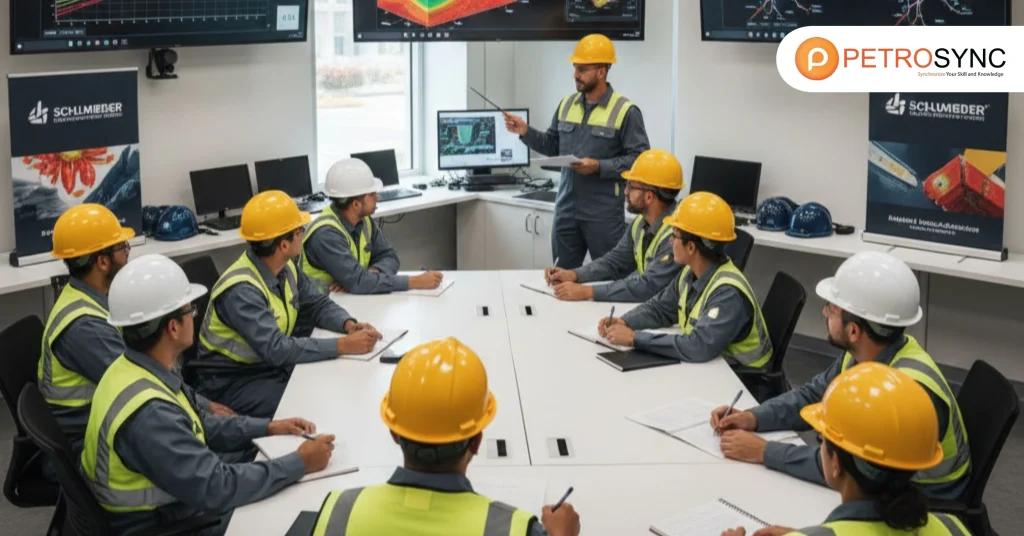
Hydraulic fracturing courses are specialized training programs designed to build a strong technical foundation around the stimulation of low-permeability formations. These programs cover engineering principles, subsurface behavior, operational dynamics, and the practical skill set required to design, monitor, and evaluate frac treatments effectively.
1. Core Principles and Engineering Foundations
Participants revisit the fundamentals of rock mechanics, stress regimes, permeability, and fracture initiation. These modules reinforce essential engineering logic—so every treatment design is grounded in solid scientific understanding, not assumptions or outdated practices.
A strong theoretical foundation ensures that engineers can anticipate subsurface responses accurately and design smarter, more effective stimulation programs.
2. Subsurface Behavior and Fracture Mechanics
Engineers learn how fractures propagate, interact with natural fractures, respond to stress anisotropy, and evolve across heterogeneous rock layers. Understanding these mechanics is crucial, as even minor miscalculations in fracture height or orientation can undermine treatment effectiveness or compromise well integrity.
Advanced courses teach participants to interpret subsurface cues, predict fracture geometry, and adjust designs accordingly.
3. Fluid Systems, Proppants, and Pressure Control
Training also covers the behavior of fluid systems—slickwater, gels, hybrids—alongside proppant selection, rheology, leak-off characteristics, and pressure management. Proper judgment in fluid-proppant design directly influences fracture width, conductivity, and long-term production.
Courses equip teams with the knowledge to select optimal systems, maintain control, and ensure safe, stable frac execution.
Why Hydraulic Fracturing Courses Are Essential for Modern Engineering Teams
1. Increasing Complexity of Unconventional Resources
Unconventional reservoirs introduce geological and mechanical complexities not encountered in traditional plays. Variations in brittleness, stress contrasts, and natural fracture networks require precise engineering. Without specialized training, teams often rely on generic models or trial-and-error approaches, which lead to inconsistent outcomes. Structured courses offer a robust framework for designing treatments tailored to real subsurface conditions.
2. Reducing Operational Risks in High-Pressure Environments
Frac operations occur under extreme pressures with sophisticated equipment and sensitive geological constraints. A lack of competency in pressure control or fluid dynamics can escalate into equipment failures, formation damage, or safety incidents. Training aligns teams with best practices and heightened situational awareness—leading to fewer operational disruptions and significantly reduced risk across field operations.
3. Improving Treatment Design Accuracy and Field Decisions
One of the most transformative benefits of hydraulic fracturing courses is improved accuracy in design and real-time decision-making. When engineers understand the full chain—geomechanics, fluid behavior, fracture propagation—they are equipped to refine parameters, predict challenges, and adapt treatment strategies with confidence. This leads to cost-efficient operations and improved production outcomes.

Skills You Will Gain from Hydraulic Fracturing Courses
1. Fracture Modeling & Geomechanics Simulation
Courses train engineers to run fracture modeling software, interpret stress distributions, and simulate propagation scenarios. These skills reduce uncertainties and provide a clearer understanding of how treatments will behave in real conditions.
2. Treatment Optimization and Real-Time Evaluation
Participants learn to refine pumping schedules, fluid ratios, and proppant loading. More importantly, they gain the ability to interpret real-time pressure signatures and make on-the-spot adjustments—turning raw data into actionable insights that improve treatment success.
3. Post-Frac Diagnostics and Production Enhancement
From evaluating microseismic responses to analyzing production logs, training equips engineers with diagnostic tools to assess frac effectiveness. This enables iterative learning: each job becomes a reference point for enhancing future reservoir stimulation.
4. Health, Safety & Environmental Considerations
Given the high-pressure nature of frac operations, HSE remains a core component. Courses reinforce environmental management, fluid handling protocols, site safety, and regulatory compliance—essential for leaders committed to responsible operations.
How Hydraulic Fracturing Courses Improve Well and Field Performance
1. Boosting Productivity in Shale and Tight Reservoirs
Independent engineering studies continue to show that optimized frac designs significantly enhance permeability and hydrocarbon flow within unconventional reservoirs. Training ensures that field teams understand how to engineer treatments that maximize contact area and improve both initial and sustained production.
2. Enhancing Operational Reliability and Asset Integrity
When personnel understand pressure mechanics, fracture geometry, and equipment limitations, operations become more predictable. Reduced downtime, fewer mechanical issues, and improved formation compatibility collectively strengthen asset integrity and lower operational risk.
3. Supporting Data-Driven Decision-Making Across Teams
Modern hydraulic fracturing thrives on data—pressure charts, microseismic traces, production trends, and geomechanics models. Training enables multidisciplinary teams to interpret this data cohesively, creating a more aligned, evidence-based approach to field development planning and execution.
Why Continuous Upskilling Through Hydraulic Fracturing Courses Matters
1. Technology Advancements Demanding Higher Competency
Advancements in multi-stage completions, real-time diagnostics, and digital fracturing workflows require engineers to continuously update their skill sets. Without ongoing upskilling, teams risk being outpaced by the very technologies designed to improve their performance.
2. Cross-Functional Collaboration Across Subsurface & Completion Teams
Modern frac jobs rely on seamless coordination—geologists, reservoir engineers, completion teams, and field supervisors must operate with shared understanding. Training builds common technical language that strengthens communication and reduces costly misalignment.
3. Growing Expectations for Technical Leadership and Field Readiness
Executives expect engineering teams to respond quickly to operational challenges with informed, technically sound decisions. Continuous training ensures leaders stay sharp, competent, and ready to navigate evolving field demands.
Advance Your Expertise with PetroSync Hydraulic Fracturing Courses
For professionals committed to leading high-performance operations, PetroSync’s Hydraulic Fracturing Courses provide the technical depth and strategic perspective needed to excel. The training blends geomechanics, fracture design, fluid systems, operational diagnostics, and safety best practices—offering a holistic, industry-aligned learning experience.
By joining PetroSync’s programs, you strengthen not only your personal competency, but also your team’s capability to execute reliable, efficient, and high-value fracturing operations. In a market where technical precision defines competitive advantage, equipping yourself with advanced frac expertise is one of the most strategic decisions you can make.
If you are ready to elevate your technical mastery and reinforce your leadership impact, PetroSync’s hydraulic fracturing courses are built to help you achieve exactly that.
Frequently Asked Questions (FAQ)
Hydraulic fracturing courses are specialized training programs that focus on the engineering, geomechanics, and operational aspects of stimulating low-permeability reservoirs. They are designed for senior engineers, completion specialists, managers, and executives responsible for optimizing well performance, managing risk, and ensuring long-term asset value.
These courses typically cover rock and fracture mechanics, stress regimes, fracture propagation, fluid and proppant systems, pressure control, treatment design, real-time monitoring, post-frac diagnostics, and health, safety, and environmental considerations.
Unconventional reservoirs involve complex geology, stress contrasts, and natural fracture networks. Hydraulic fracturing courses equip engineers with the technical framework needed to design tailored stimulation treatments, reduce trial-and-error approaches, and achieve more consistent and reliable production results.
Participants gain skills in fracture modeling, geomechanics simulation, treatment optimization, real-time pressure analysis, post-frac diagnostics, and data-driven decision-making. These capabilities help engineers improve treatment accuracy, operational efficiency, and overall well performance.
By strengthening technical understanding and operational judgment, hydraulic fracturing courses help teams design more effective treatments, reduce operational risks, enhance asset integrity, and maximize productivity in shale and tight reservoirs through optimized fracture geometry and execution.

Results-oriented and thorough SEO specialist with extensive experience in conducting keyword research, developing and implementing digital website promotion strategies and plans, managing campaigns to develop company websites in the digital world, excellent knowledge of marketing techniques and principles, and attentive strong attention to detail.