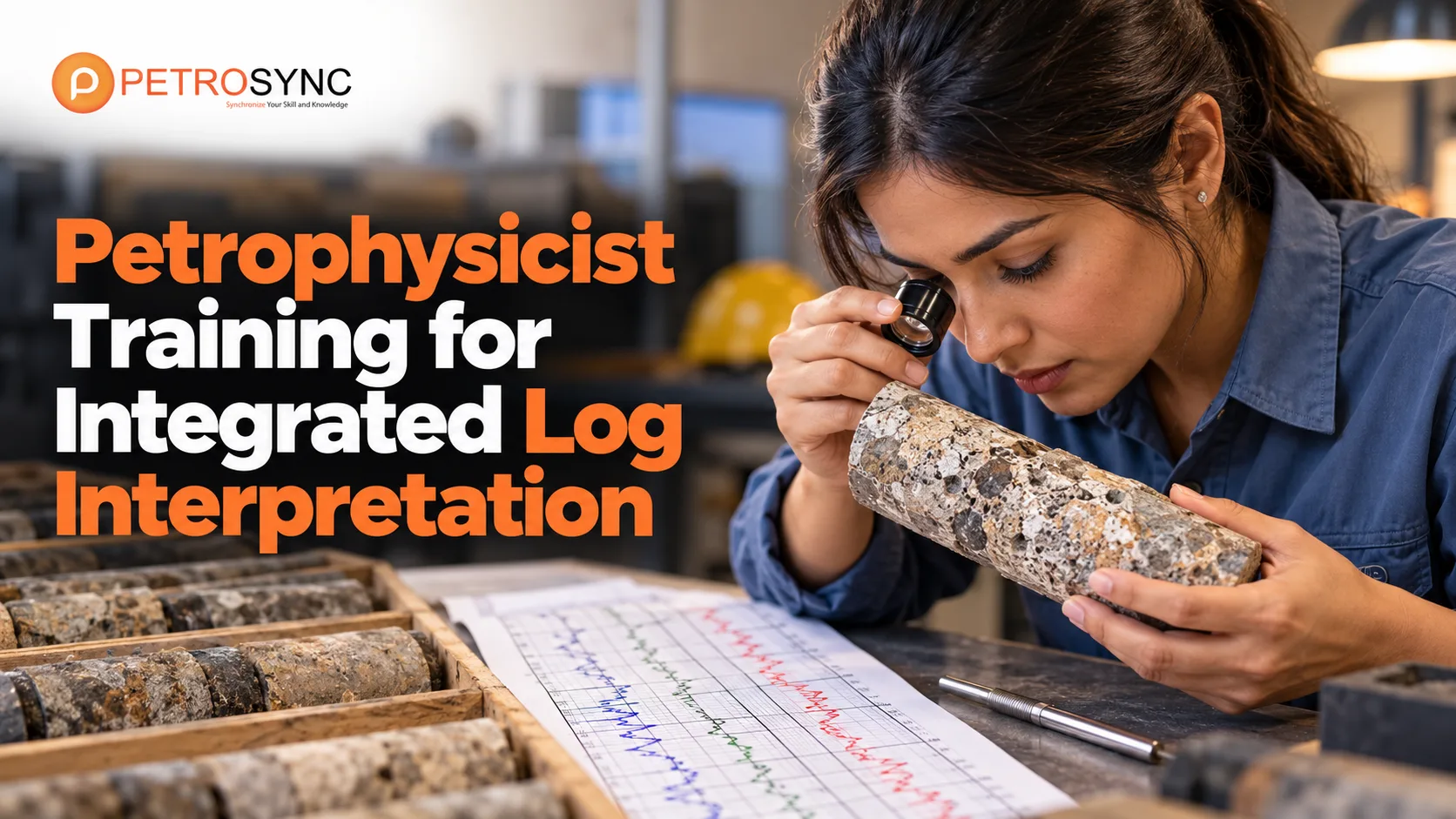
An integrated interpretation needs a clear explanation of how different data sources support the conclusion. For a petrophysicist, the learning challenge may be understanding the inputs, reconciling core and log information or communicating uncertainty in a complex reservoir setting. This…
Petroleum engineering covers several technical paths, so a useful training choice begins with the work you want to develop. Reviewing a well plan, assessing a completion choice and evaluating subsurface inputs require different learning priorities even when they sit within…
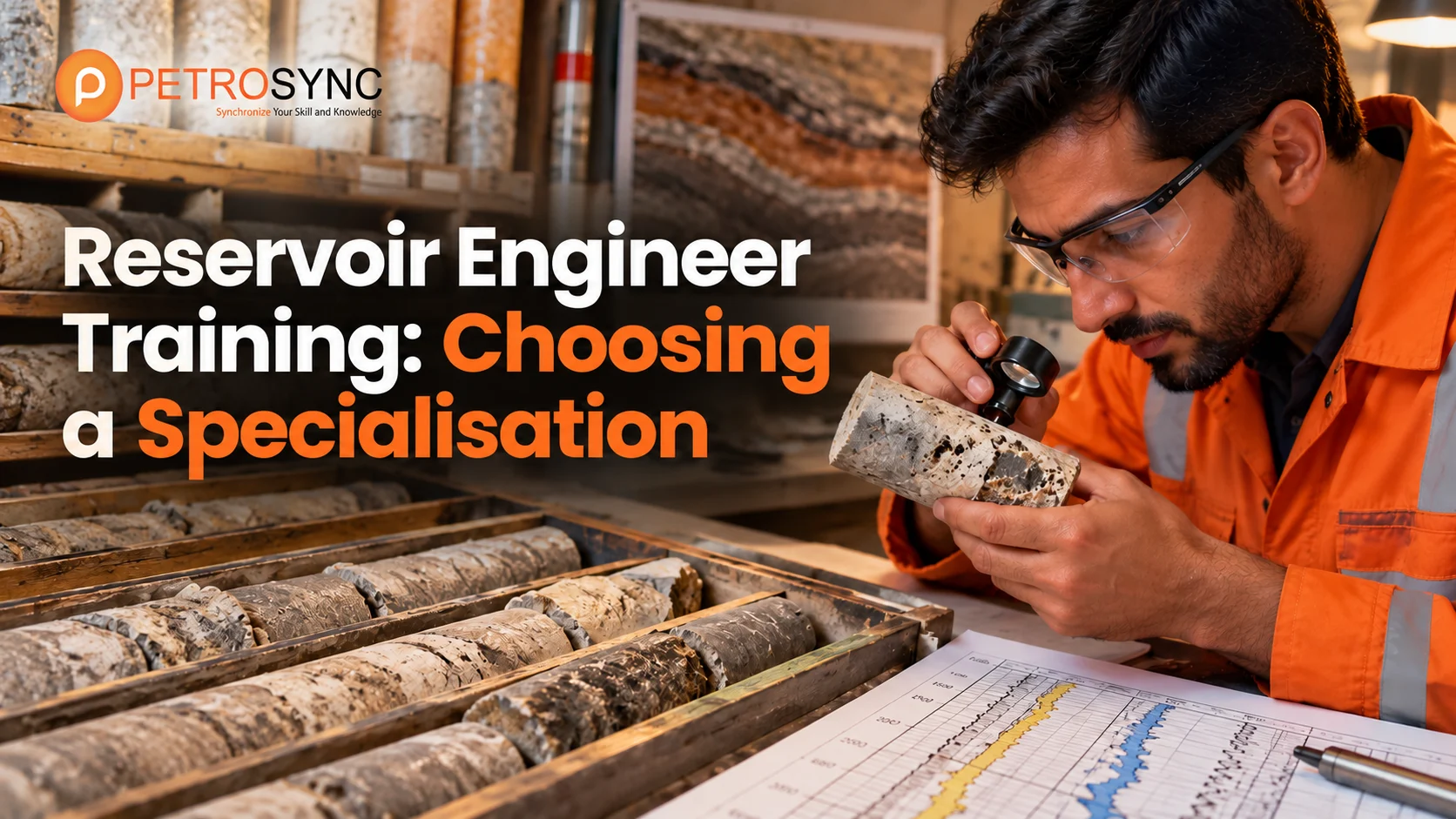
A reservoir engineering learning need may concern the quality of subsurface inputs, the reasoning behind an analysis or the use of a particular modelling tool. Those are related responsibilities, but they do not call for identical training. A useful choice…
An intervention plan begins with a question about the well and a reason for considering further work. Choosing an approach requires understanding the objective, the available information and the constraints that shape the planning discussion. Training should make that reasoning…
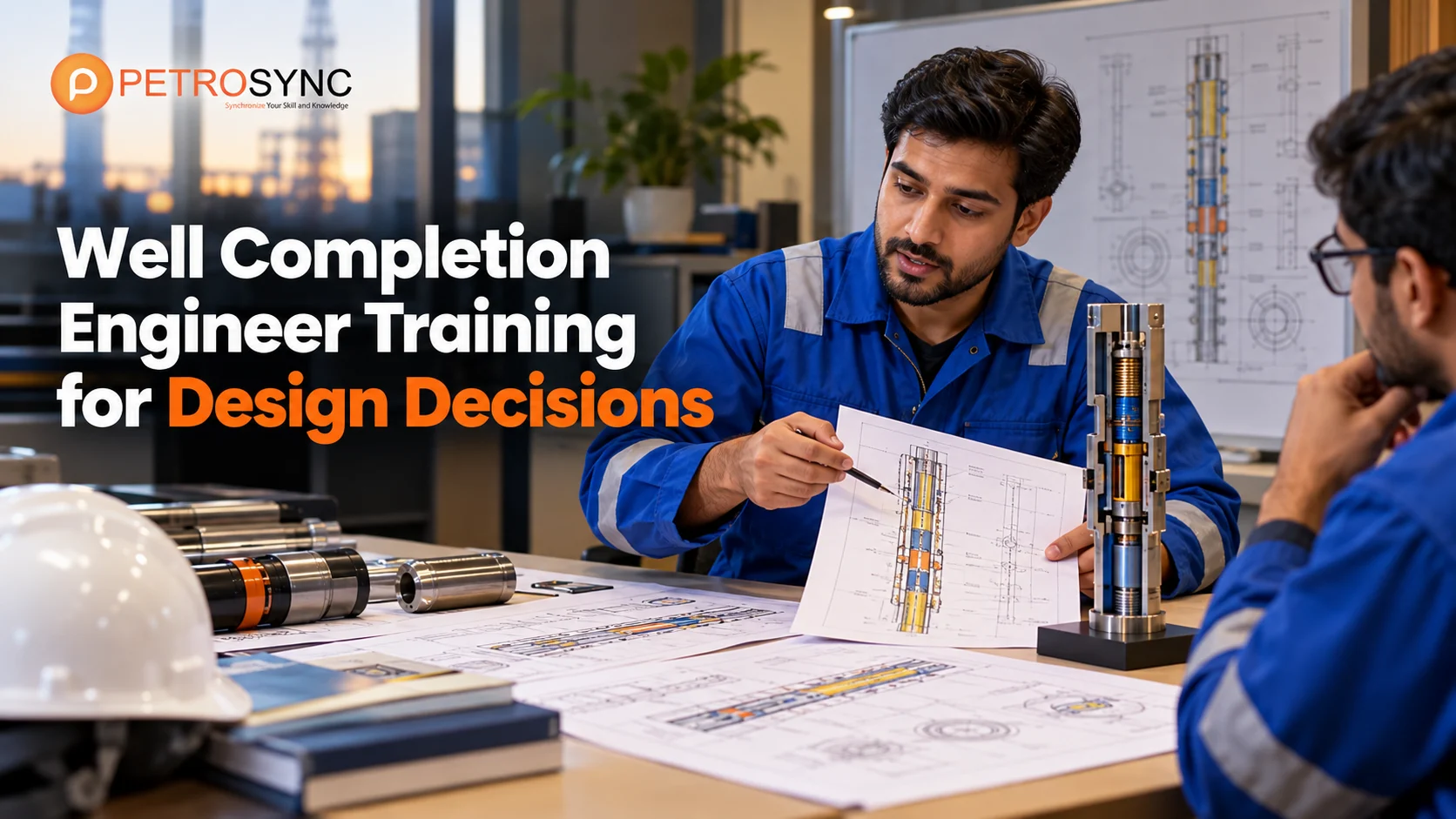
Completion design involves explaining why a configuration suits the intended well objectives and how its choices affect later work. A course is most useful when it gives you a setting to examine that reasoning, rather than simply recognise the names…
A drilling fluids learning need can range from interpreting a mud report to understanding how fluid behaviour affects a wider well plan. The right course depends on which responsibility you want to develop and how much depth that task requires.…
A well plan needs more than a collection of technical calculations. Its assumptions, design choices and uncertainties must form an explanation that another engineer can review. That is a useful starting point when choosing training for a drilling role. Drilling…
A well integrity engineer needs to understand what barrier information means, where the evidence is incomplete and who needs to review the uncertainty. Training becomes more useful when it develops those responsibilities across the well lifecycle, rather than presenting an…
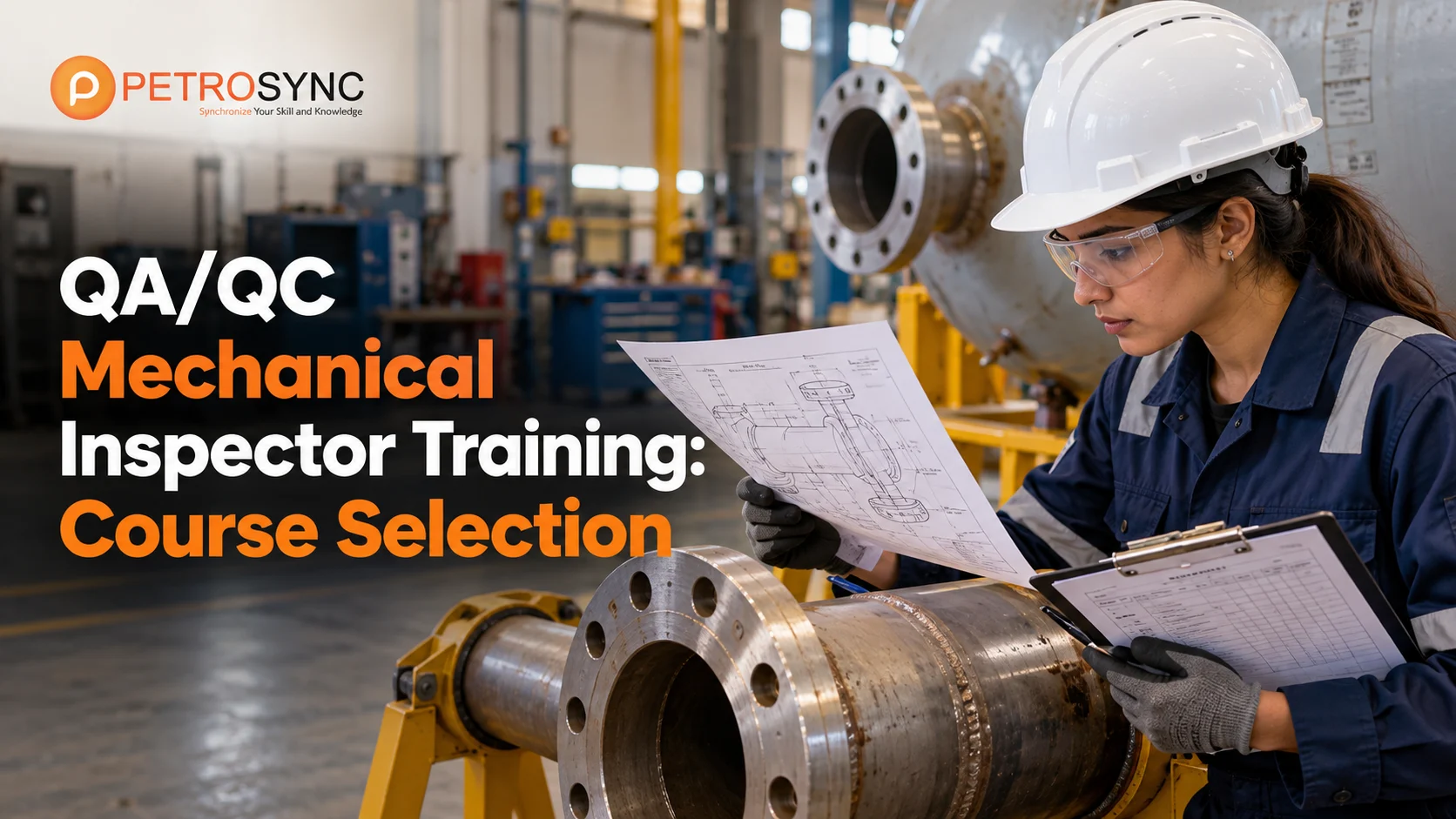
A mechanical inspection assignment can involve very different questions depending on the equipment and the stage of work. Reviewing a pressure-vessel finding, checking piping records and supporting a wider quality plan do not call for identical learning priorities. Choosing QA/QC…
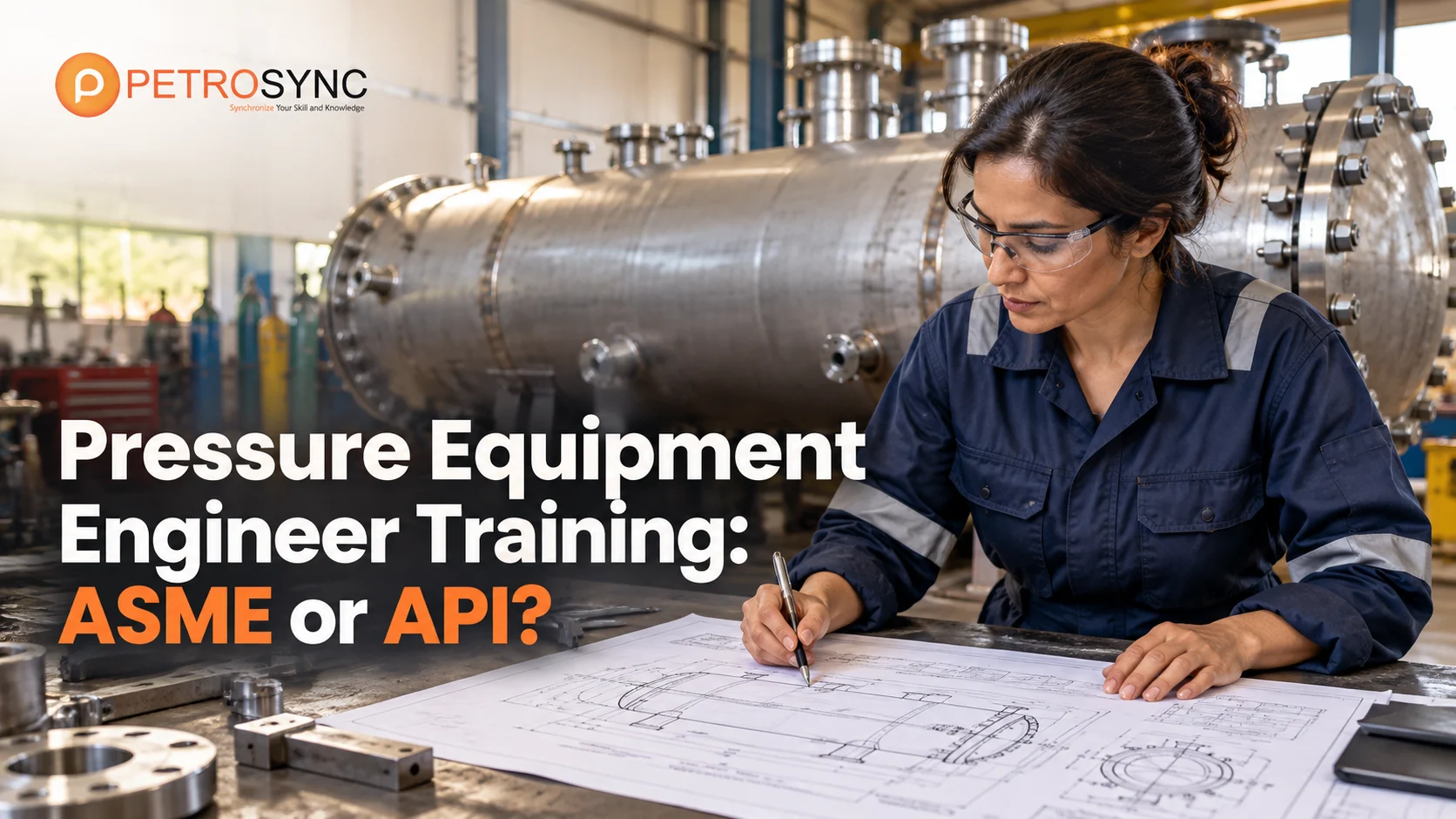
A pressure equipment engineer may review a new vessel design one week and support an inspection review the next. Those assignments draw on related knowledge, but they create different training needs. Choosing a course becomes easier when you start with…