

• Hydraulic fracturing training is a strategic investment that equips teams to handle complex reservoirs with faster decisions and stronger execution
• Structured training turns theory into practical skills, improving frac design accuracy, stage placement, and recovery outcomes
• Targeted learning helps teams adapt designs to diverse reservoir types, boosting efficiency and long-term well performance
• Advanced training aligns subsurface insight with field execution, reducing missteps, NPT, and operational risk
• Skilled, well-trained teams collaborate better, act confidently in real time, and deliver more predictable results
Hydraulic fracturing training has become a critical investment for companies aiming to enhance performance in today’s increasingly complex unconventional reservoirs. As modern operations demand faster decision-making, stronger technical alignment, and more efficient execution, organizations can no longer rely solely on traditional knowledge.
They need teams equipped with updated skills, advanced interpretation capabilities, and the confidence to manage high-pressure operational environments. In many operations, the success of a fracture program depends not only on technology or tools but on the readiness of the people behind it.
This is why structured hydraulic fracturing training serves as a strategic advantage—helping engineering and subsurface teams strengthen their competencies while supporting leaders in delivering more consistent, high-impact results.
Before exploring the deeper benefits, it’s essential to understand how this form of training directly contributes to operational excellence.
What is Hydraulic Fracturing Training?
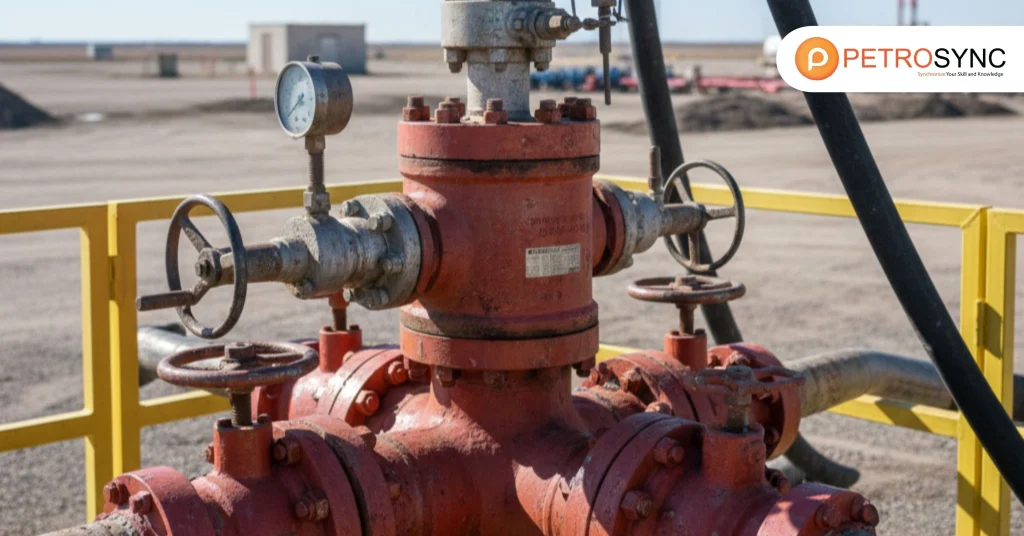
Hydraulic fracturing training provides engineers, geoscientists, and field operations professionals with both foundational and advanced knowledge to design, evaluate, and execute effective fracturing programs.
It transforms theoretical concepts into practical decision-making skills—something that modern teams urgently need as reservoirs grow more complex and operational expectations become more demanding.
1. Building foundational knowledge for efficient frac designs
Strong frac design begins with expertise in stress regimes, rock mechanics, and reservoir flow behavior. Industry analyses from several technical institutions consistently show that optimized fracture designs can improve hydrocarbon recovery by double-digit percentages, especially in unconventional wells.
These improvements often result from better stage placement, accurate modeling, and proper selection of fluids and proppants—skills directly shaped by specialized training.
2. Understanding technical requirements for diverse reservoir types
Training equips teams to tailor designs for different reservoir environments, whether brittle shale, tight sands, or formations with rich natural fracture systems. Each reservoir type responds differently to stimulation, and the ability to adjust design parameters accordingly helps ensure higher operational efficiency and better long-term well performance.
3. Strengthening core competencies for subsurface and operations teams
Modern fracturing projects require alignment between subsurface interpretation and field execution. Training deepens the understanding of each team’s roles and constraints, encouraging a more integrated workflow. With shared knowledge, collaboration becomes more fluid and operational issues can be resolved more efficiently.
Why Hydraulic Fracturing Training Matters for Modern Operations
As unconventional development evolves, so do the technical challenges surrounding well stimulation. Operators now face reservoirs with more heterogeneity, more complex stress patterns, and higher demands for efficiency. This is where training becomes invaluable.
1. Keeping up with evolving unconventional reservoir challenges
New research, updated case studies, and shifting reservoir behaviors require continuous learning. Reports from major energy and engineering organizations highlight that companies investing in capability development tend to achieve significantly stronger operational outcomes.
In unconventional plays, where variability is high, training often becomes the differentiating factor between average wells and high-performing ones.
2. Reducing operational risks and improving execution reliability
Skill gaps are one of the leading contributors to operational inefficiencies. Industry safety and performance groups have documented how insufficient technical understanding often results in poor fluid handling, inconsistent pressure management, or communication breakdowns in the field.
All of these can escalate into increased Non-Productive Time (NPT). Well-structured training prepares teams to anticipate risks early and apply corrective actions before issues become costly.
3. Ensuring engineering teams meet performance expectations
Senior leaders expect predictable results, consistent performance, and reliable execution. Training aligns engineering teams with these expectations by reinforcing the latest diagnostic approaches, modeling techniques, and execution strategies—ensuring decisions are grounded in updated best practices rather than outdated assumptions.

Why High-Impact Teams Require Advanced Hydraulic Fracturing Training
High-pressure environments demand teams that can interpret data quickly, address operational complexities, and coordinate seamlessly—skills often shaped by advanced training.
1. Aligning subsurface interpretation with fracture execution
Many underperforming wells stem from gaps between what the subsurface team predicts and what the operations team executes. Advanced training narrows this gap by harmonizing geological models with surface operations. Teams learn how subsurface uncertainties impact fracture geometry, which leads to more accurate and efficient designs.
2. Enhancing real-time decision-making in high-pressure environments
Frac jobs can shift rapidly. Unexpected pressure changes, fluid behaviors, or well interactions require instant decisions. Training empowers teams to read real-time data with clarity and respond with confidence, ensuring safety and maximizing operational results.
3. Increasing productivity and minimizing NPT in the field
Studies conducted across multiple basins show that teams equipped with specialized training experience notable reductions in NPT. Improvements in workflow accuracy, equipment handling, and diagnostic interpretation often create measurable boosts in operational efficiency and well performance.
Key Competencies Strengthened Through Hydraulic Fracturing Training
A strong fracturing program requires multidisciplinary excellence. Training builds that excellence through targeted competencies.
1. Fracture modeling, diagnostics, and data interpretation
Professionals learn to evaluate fracture behavior using pressure diagnostics, microseismic insights, and modeling tools. These capabilities allow for more predictable fracture networks and reduce the number of underperforming stages.
2. Optimizing fluid, proppant, and water management
Choosing the right fluid system or proppant type can make a significant difference in operational cost and reservoir performance. Industry case studies show that efficient fluid and proppant strategies can lower costs while enhancing stimulation effectiveness. Training helps teams balance performance with sustainability, cost, and environmental considerations.
3. Enabling collaboration across completion, reservoir, and production teams
Hydraulic fracturing cannot succeed in silos. Training builds a shared language between engineering teams, enabling smoother communication and ensuring that production goals, reservoir realities, and operational constraints align from planning to execution.
How Hydraulic Fracturing Training Helps Organizations Achieve Better Results
Beyond elevating individual skill sets, effective training generates organizational outcomes that directly impact business performance.
1. Closing skill gaps in unconventional and shale projects
As wells become longer and stage counts increase, teams must stay technically sharp. Training reduces inconsistencies, enhances analytical capabilities, and supports more confident engineering decisions.
2. Improving cross-functional coordination for multi-stage frac programs
Large completions programs require fast, accurate coordination. Training fosters stronger communication, minimizes misinterpretation of data, and builds a unified workflow across departments.
3. Supporting leaders in making high-impact operational decisions
Executives rely on accurate insights to allocate budgets, assess risks, and shape development strategy. Training strengthens their understanding of technical variables, enabling decisions that drive long-term value, improve recovery factors, and optimize field development plans.
Elevate Your Team’s Expertise with PetroSync’s Hydraulic Fracturing Training
For organizations seeking to elevate performance in completions and stimulation operations, investing in the right training is a strategic move. PetroSync’s Hydraulic Fracturing Training is designed specifically for senior engineers, supervisors, and decision-makers who need not only technical depth but also practical execution frameworks.
The program combines real-world field experience, best-in-class methodologies, and interactive learning that equips teams with the confidence to manage complex reservoirs, optimize fracture designs, and enhance operational reliability.
Whether your goal is to reduce NPT, improve fracture effi ciency, or align subsurface and operations teams more effectively, PetroSync provides the comprehensive development platform needed to achieve these results.
High-impact teams deserve high-impact learning—and PetroSync is ready to support your organization in building a stronger, more capable workforce.
Frequently Asked Questions (FAQ)
Hydraulic fracturing training is a structured learning program designed to equip engineers, geoscientists, and operations professionals with the knowledge and practical skills needed to design, evaluate, and execute effective fracture stimulation programs. It bridges theoretical concepts with real-world decision-making for complex reservoirs.
Unconventional reservoirs present higher complexity, variability, and operational risk. Hydraulic fracturing training helps teams adapt frac designs to diverse reservoir conditions, improve execution reliability, and make faster, more accurate decisions that enhance recovery and long-term well performance.
Training strengthens technical understanding, real-time data interpretation, and cross-functional communication. These capabilities allow teams to anticipate issues, manage pressure and fluid behavior more effectively, and apply corrective actions early, which helps reduce Non-Productive Time (NPT) and operational disruptions.
Hydraulic fracturing training is ideal for completion engineers, reservoir engineers, geoscientists, field supervisors, and technical leaders involved in well stimulation and unconventional development. It is particularly valuable for professionals responsible for frac design, execution, and performance optimization.
Advanced hydraulic fracturing training strengthens competencies in fracture modeling, diagnostics, real-time decision-making, fluid and proppant optimization, and cross-disciplinary collaboration. These skills help teams deliver more predictable results, improve efficiency, and align subsurface insights with field execution.

Results-oriented and thorough SEO specialist with extensive experience in conducting keyword research, developing and implementing digital website promotion strategies and plans, managing campaigns to develop company websites in the digital world, excellent knowledge of marketing techniques and principles, and attentive strong attention to detail.