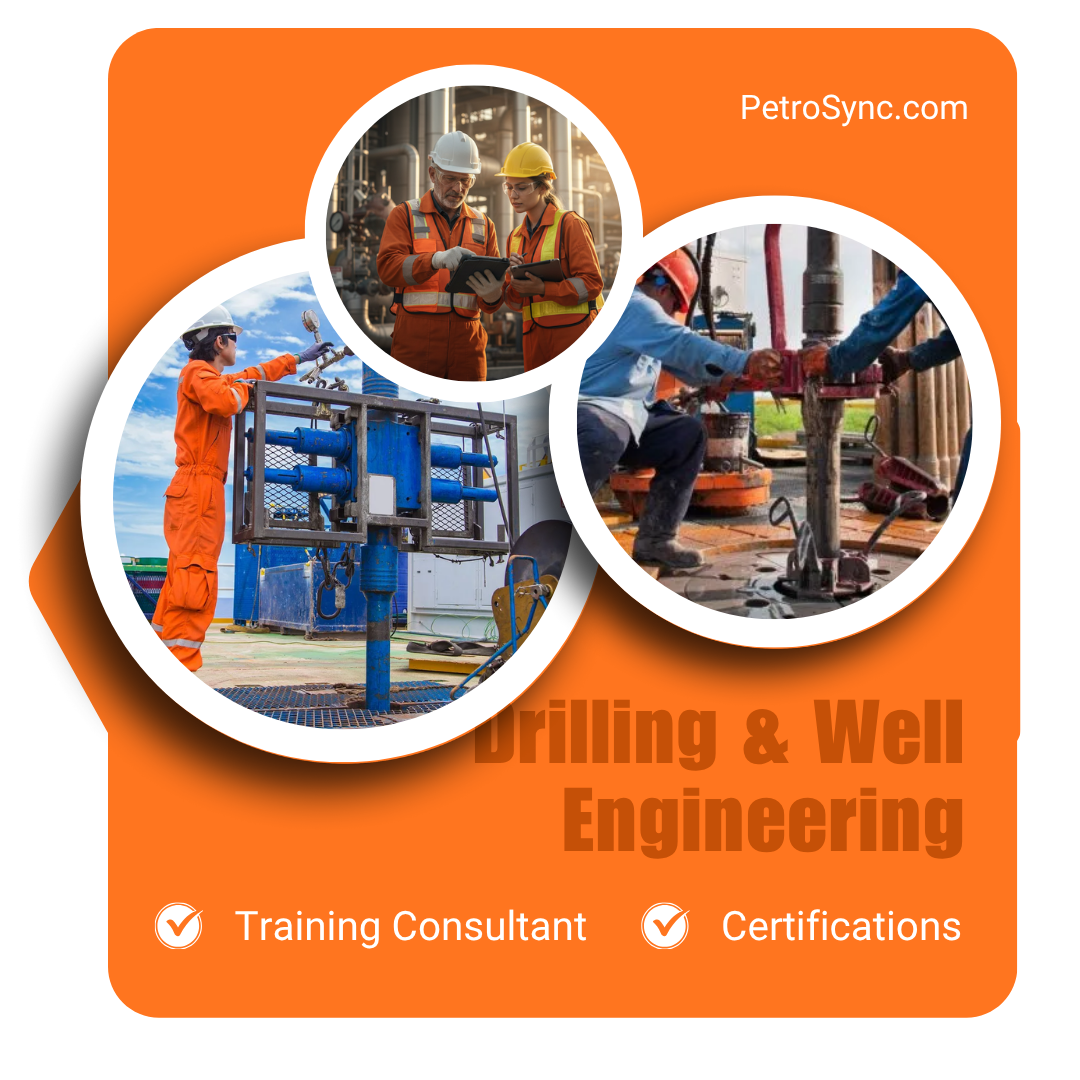



- Meaning: Petroleum supports energy and industrial operations worldwide. It plays a critical role in production and facility performance.
- Benefit: Proper Petroleum training improves operational reliability and safety performance. It also reduces downtime and maintenance risks.
- Solution: PetroSync provides practical Petroleum training for industrial professionals. The program focuses on maintenance, compliance, and operational readiness.
- Advantage: Training sessions use real industrial case studies and operational discussions. Experienced practitioners deliver practical and industry-focused learning.
Petroleum operations often face reliability issues, unexpected downtime, and rising maintenance costs across industrial facilities. Poor operational handling also increases safety risks and reduces long-term asset integrity performance.
Proper Petroleum training improves operational continuity, inspection readiness, and industrial compliance performance across energy operations. Strong technical competency also supports safer operations and faster decision-making during critical industrial conditions.
What is Petroleum?
Petroleum is a naturally occurring hydrocarbon resource used across energy, manufacturing, transportation, and industrial processing operations. Industries rely on Petroleum to support operational continuity, fuel production, and large-scale industrial activities.
Modern Petroleum operations require strong maintenance planning, asset integrity management, and operational reliability strategies. Proper operational understanding helps companies improve facility performance while reducing compliance and operational risks.
Types and Industrial Applications of Petroleum
Petroleum supports multiple industrial processes across upstream, midstream, and downstream energy operations. The following sections explain common Petroleum types and operational applications across industrial facilities:
1. Common Types of Petroleum in Industrial Operations
Light crude oil supports faster refining processes and improves fuel production efficiency in industrial facilities. Heavy crude oil requires advanced processing systems but delivers strong long-term industrial production value.
Refined Petroleum products include diesel, gasoline, jet fuel, lubricants, and industrial feedstock materials. These products support operational continuity across transportation, manufacturing, and power generation industries.
2. Industrial Applications and Operational Use Cases of Petroleum
Petroleum supports refinery operations, industrial heating systems, power generation, and petrochemical manufacturing activities. Proper Petroleum handling improves operational reliability and reduces unexpected shutdown risks by 30%.
Industrial facilities also use Petroleum for lubrication, energy production, and equipment performance optimization programs. Effective operational management improves maintenance planning accuracy and enhances facility reliability by 40%.
Common Challenges in Managing Petroleum
Petroleum operations involve complex industrial systems, strict compliance requirements, and demanding operational environments. The following sections explain major Petroleum management challenges affecting industrial performance:
1. Operational and Technical Challenges
Petroleum facilities often experience equipment degradation, pipeline corrosion, and process instability during continuous operations. Poor maintenance planning increases downtime risks and reduces operational continuity across industrial assets.
2. Safety, Compliance, and Performance Risks
Improper Petroleum handling increases fire hazards, environmental incidents, and industrial compliance violations significantly. Strong operational procedures improve compliance accuracy by 50% and support inspection readiness programs.
3. Cost, Maintenance, and Operational Efficiency Issues
Unplanned shutdowns increase operational expenses and disrupt industrial production schedules across energy facilities. Effective Petroleum management reduces maintenance costs and improves operational efficiency by nearly 35%.
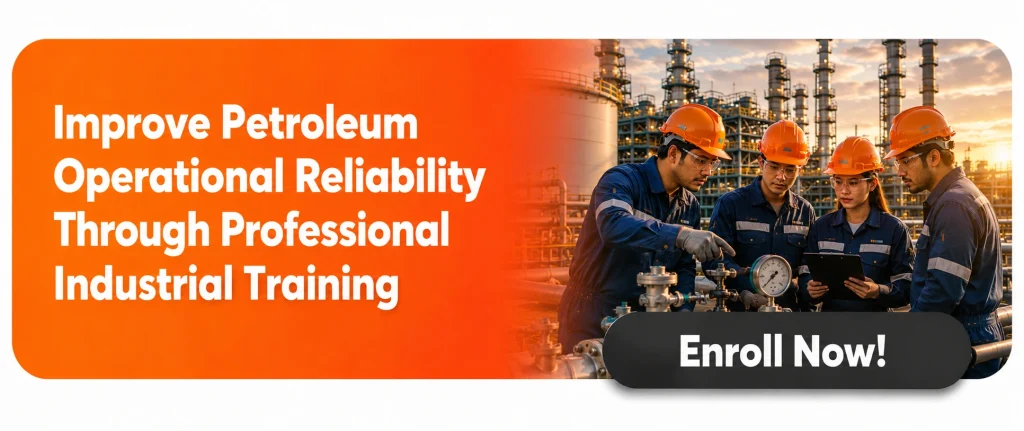
Why Proper Petroleum Training Matters in Industrial Operations
Industrial companies require skilled professionals to maintain Petroleum operational reliability and facility performance standards. The following sections explain why Petroleum training remains essential across industrial operations:
1. Improving Operational Efficiency and Reliability
Proper Petroleum training improves operational consistency and reduces equipment failure risks across industrial facilities. Skilled professionals help improve reliability performance while reducing downtime by 30%.
2. Supporting Safety and Compliance Performance
Industrial Petroleum training strengthens safety awareness and improves compliance readiness during operational inspections. Better operational understanding also supports faster incident prevention and emergency response coordination.
3. Reducing Operational Errors and Downtime Risks
Technical Petroleum competency reduces human operational errors and improves industrial troubleshooting performance significantly. Companies often achieve 2x faster operational recovery during equipment failure situations.
4. Strengthening Technical and Operational Understanding
Petroleum training improves technical understanding related to asset integrity, inspection readiness, and maintenance planning. Stronger operational competency supports better industrial communication and faster technical decision-making.
5. Supporting Better Operational and Business Decisions
Operational Crude oil knowledge helps managers optimize maintenance strategies and improve facility performance planning. Better industrial decisions also reduce operational waste and improve long-term profitability outcomes.
“Strong Petroleum competency supports safer operations, better reliability performance, and stronger industrial career opportunities.”
The Difference Between Proper Petroleum Training and Limited Operational Knowledge
Industrial Petroleum operations require practical competency, operational awareness, and strong compliance understanding. The comparison below explains the operational differences between trained professionals and limited operational knowledge:
|
Operational Areas |
Proper Petroleum Training |
Limited Operational Knowledge |
|
Operational Reliability |
✅ Improves facility stability and operational continuity |
❌ Higher downtime and operational disruptions |
|
Asset Integrity Understanding |
✅ Supports inspection readiness and integrity management |
❌ Limited understanding of integrity risks |
|
Maintenance Planning |
✅ Enhances preventive maintenance effectiveness |
❌ Reactive maintenance approaches dominate |
|
Compliance Readiness |
✅ Improves industrial compliance accuracy by 50% |
❌ Increased compliance violation risks |
|
Safety Performance |
✅ Strengthens hazard awareness and operational safety |
❌ Higher operational incident exposure |
|
Technical Decision-Making |
✅ Faster troubleshooting and operational analysis |
❌ Slower response during operational issues |
|
Career Development |
✅ Supports certification readiness and industrial advancement |
❌ Limited industrial growth opportunities |
Proper Petroleum training improves operational performance while supporting long-term industrial career development. Strong competency also increases industrial credibility across global energy operations.
Best Petroleum Training Program by PetroSync

Industrial Petroleum operations demand practical knowledge, operational awareness, and strong technical competency development. PetroSync provides industry-focused Petroleum training designed for operational reliability and industrial performance improvement.
The training program combines practical industrial discussions, operational case studies, and maintenance-focused learning sessions. Participants gain valuable insights supporting inspection readiness, compliance improvement, and operational continuity management.
Why Industry Professionals Choose PetroSync for Petroleum Training
Industrial professionals require practical training that directly supports real operational challenges and facility performance goals. The following sections explain why many companies choose PetroSync Petroleum training programs:
1. Practical Learning Based on Real Industrial Applications
PetroSync training focuses on practical Petroleum operational scenarios commonly found across industrial facilities. Participants learn actionable strategies supporting maintenance planning and operational reliability improvements.
2. Industry-Relevant Case Studies and Operational Discussions
Real industrial case studies help participants understand operational failures, compliance issues, and maintenance optimization methods. Practical discussions improve troubleshooting capability and operational analysis accuracy significantly.
3. Sessions Delivered by Experienced Industry Practitioners
Experienced Petroleum professionals deliver training sessions using real operational and industrial project experiences. Participants gain practical insights directly applicable to industrial facility operations and maintenance activities.
4. Training Materials Designed for Industrial Operational Needs
PetroSync develops Petroleum training materials based on current industrial operational and compliance requirements. Structured learning improves inspection readiness and strengthens operational competency development programs.
5. Interactive Learning with Practical Industrial Insights
Interactive training sessions improve participant engagement and strengthen operational understanding during technical discussions. Participants also develop stronger problem-solving capability for complex industrial operational conditions.
6. Trusted Training Provider for Energy and Industrial Companies
Many energy companies trust PetroSync for practical Petroleum training and industrial competency development programs. Consistent training quality supports operational excellence and long-term workforce capability improvement.
“Professional Petroleum training strengthens industrial credibility, operational reliability, and long-term career competitiveness across global energy industries.”
Petroleum Training Fees and Registration Information
Petroleum training fees start from competitive professional industrial pricing based on training scope and technical materials. Participants receive operational discussions, practical case studies, and industrial learning resources.
PetroSync training programs include experienced instructors, certification preparation support, and practical operational learning sessions. Flexible scheduling options also support industrial teams and corporate operational training requirements.
Consult Your Petroleum Training Requirements with PetroSync
Strong crude oils competency supports operational reliability, industrial compliance, and long-term facility performance improvement. Professional training also increases inspection readiness and reduces operational risks across industrial operations.
Join PetroSync crude oil training programs to strengthen technical competency and accelerate industrial career development opportunities. Build stronger operational understanding while supporting global energy industry performance and reliability goals.
Frequently Asked Questions (FAQ)
Petroleum is a natural hydrocarbon resource widely used in energy, transportation, manufacturing, and industrial operations.
Petroleum training helps improve operational reliability, safety awareness, maintenance planning, and compliance readiness across industrial facilities.
Common challenges include equipment degradation, pipeline corrosion, operational downtime, compliance risks, and maintenance inefficiencies.
PetroSync provides practical Petroleum training with industrial case studies, operational discussions, maintenance strategies, and compliance-focused learning.
Petroleum training programs are suitable for engineers, maintenance teams, operational managers, and industrial professionals working in energy facilities.

Results-oriented and thorough SEO specialist with extensive experience in conducting keyword research, developing and implementing digital website promotion strategies and plans, managing campaigns to develop company websites in the digital world, excellent knowledge of marketing techniques and principles, and attentive strong attention to detail.