

Drilling types and methods are critical for achieving operational efficiency and maximizing productivity in oil and gas operations. As the industry faces rising operational costs, tighter environmental regulations, and the demand for higher output, optimizing drilling processes has become more important than ever.
Efficient drilling not only enhances production but also reduces non-productive time, minimizes environmental impact, and ensures safety compliance. Understanding various drilling techniques, their specific applications, and how advanced training can improve outcomes is crucial for senior managers, engineers, and executives aiming to lead high-performance operations.
This article explores drilling methods, factors affecting selection, and how training boosts drilling efficiency.
What Is Oil Drilling?
Oil drilling, which involves the drilling and pumping of oil from underground wells, is the process of extracting oil from underground reservoirs deep beneath the Earth’s surface. It involves drilling a hole, known as a wellbore, into the ground to reach the oil-containing rock formations. After drilling, specialized equipment pumps oil to the surface for processing, requiring careful planning and monitoring for safe extraction.
What Are Oil Drilling Types Based on Its Drilling Purpose?
Oil drilling types based on their purpose can be categorized into three main categories: exploration, delineation, and exploitation.
1. Exploration
Exploration drilling is conducted to search for new oil or gas reserves. This type of drilling aims to identify potential hydrocarbon-bearing formations beneath the earth’s surface. Exploratory wells are drilled in areas where geological indicators suggest the presence of oil or gas deposits. For example, seismic surveys and geological mapping may indicate promising areas for exploration drilling.
2. Delineation
Operators perform delineation drilling to further assess and delineate the extent and characteristics of discovered oil or gas reservoirs. Once exploration drilling identifies potential reserves, they drill delineation wells around the discovery well to determine the size, shape, and quality of the reservoir.
This helps in estimating the total volume of recoverable hydrocarbons and planning future production activities. For instance, delineation drilling may involve drilling multiple appraisal wells to delineate the boundaries of a discovered reservoir.
3. Exploitation
Exploitation drilling, also known as development drilling, focuses on extracting hydrocarbons from known reservoirs. Once the commercial viability of a reservoir has been established through exploration and delineation drilling, exploitation wells are drilled to access and produce the oil or gas.
Exploitation drilling aims to optimize production rates and maximize the recovery of hydrocarbons from the reservoir. For example, production wells are drilled strategically within the reservoir to intersect the most productive zones and facilitate efficient extraction.

What Are Oil Drilling Types Based on Its Drilling Location?
By exploring drilling types based on their purpose, you’ll gain insight into how each method is tailored to specific objectives in the oil and gas industry.
1. Land / Onshore
Onshore drilling takes place on land, away from bodies of water. In this type of drilling, companies drill wells directly into the earth’s surface to access underground oil reserves. Operators typically conduct onshore drilling in areas with accessible land and infrastructure, which makes it a cost-effective option for oil exploration and production. For example, operators drill in oil fields located in deserts or plains, which is considered onshore drilling.
2. Sea / Offshore
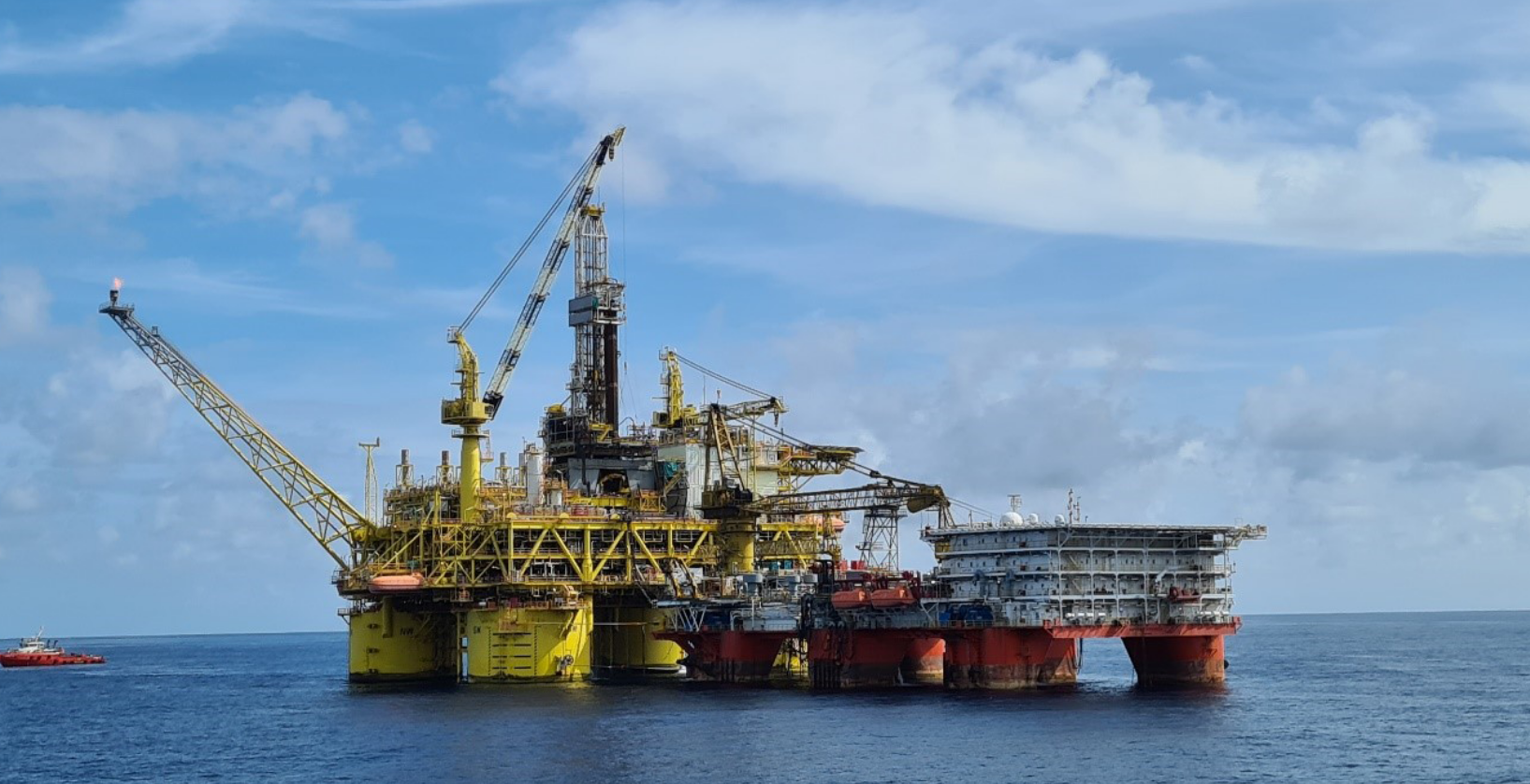
Offshore drilling involves drilling for oil in bodies of water, such as oceans or seas. Platforms or rigs are used to support drilling operations above the water’s surface, while wells are drilled deep into the seabed to access oil reserves beneath the ocean floor.
Offshore drilling presents unique challenges due to the harsh marine environment and deeper water depths. However, it allows access to offshore oil reserves that may be inaccessible from land. An example of offshore drilling is the exploration and production of oil in the Gulf of Mexico or the North Sea.
Each type of drilling location has its own set of advantages and challenges, and the choice between onshore and offshore drilling depends on factors such as the location of oil reserves, environmental considerations, and logistical constraints.
What Are Oil Drilling Types Based on Its Hole Shape?
By examining drilling types based on location, you’ll uncover how geographical factors influence the drilling process. Whether drilling onshore, offshore, or in unconventional environments like shale formations, each
1. Straight or Straight Hole Drilling
In straight hole drilling, drillers bore the wellbore vertically downward into the earth’s surface. They commonly use this type of drilling when the target reservoir lies directly beneath the drilling location. Straight hole drilling is straightforward and requires less complex equipment compared to directional drilling.
An example of straight hole drilling is when drilling a well in a conventional oil field where the reservoir is located directly beneath the drilling rig. Operators also use this method in shallow water offshore drilling when the target reservoir lies relatively close to the surface.
2. Directional Drilling
Directional drilling involves drilling the wellbore at an angle or deviating from the vertical direction to reach targets that are located horizontally away from the drilling site. This technique allows operators to access reservoirs located beneath obstacles such as mountains, bodies of water, or densely populated areas.
Engineers use directional drilling offshore and in shale to reach reservoirs, maximize exposure, and increase production where fixed platforms aren’t feasible. Drilling engineers must stay updated on new techniques to achieve optimal results and remain competitive in oil and gas exploration. Engineers who stay updated on drilling types improve efficiency, reduce risks, and achieve better outcomes in evolving oil and gas projects.
PetroSync realizes how rapidly the oil and gas field is growing, which is why PetroSync has developed a range of drilling training programs to help engineers stay current. These training programs teach the latest drilling techniques, equipping you to handle modern drilling challenges efficiently.
Whether it’s learning about new drilling methods, understanding advanced drilling equipment, or staying updated on industry best practices, PetroSync’s drilling training courses offer valuable insights and practical skills that enable you to excel in your roles!
Credit header image: Enhanced Drilling

Results-oriented and thorough SEO specialist with extensive experience in conducting keyword research, developing and implementing digital website promotion strategies and plans, managing campaigns to develop company websites in the digital world, excellent knowledge of marketing techniques and principles, and attentive strong attention to detail.