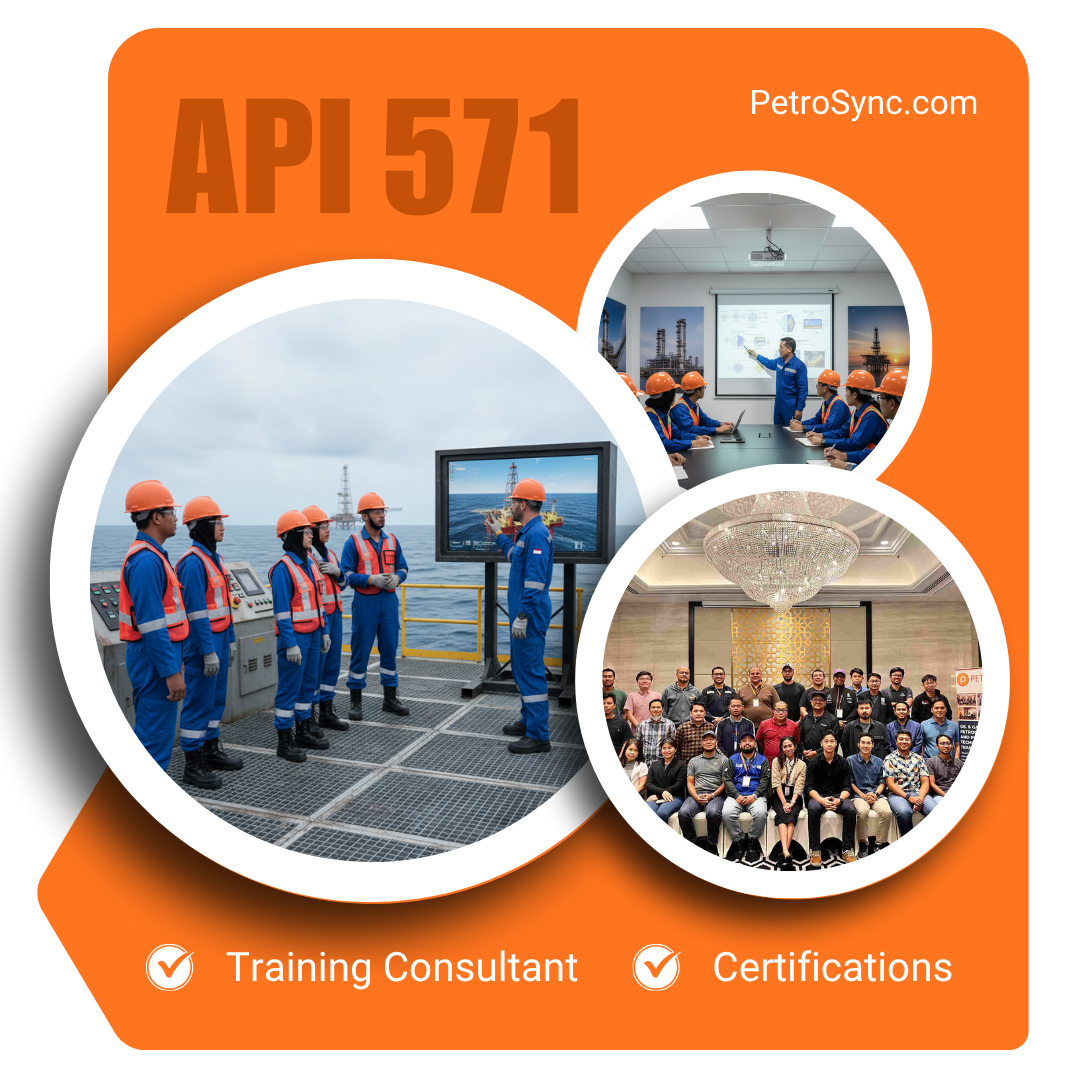


- API 571 Course is a high-impact training that strengthens inspection skills, improves reliability, and reduces operational risk across critical assets.
- Helps teams detect early damage signs like corrosion or cracking, preventing failures that can lead to downtime, safety issues, and costly repairs.
- Supports compliance with industry standards, improving audit readiness, inspection consistency, and confidence in technical evaluations.
- Enables proactive maintenance strategies that can reduce downtime by 30%–50% through better inspection planning and risk prioritization.
- Drives cost efficiency by minimizing reactive maintenance, lowering shutdown risks, and improving long-term return on asset investment.
API 571 Course is widely recognized as a high-value training program for professionals who want to strengthen inspection knowledge, improve equipment reliability, and lower operational risk in the oil and gas sector. For companies that rely on critical assets, stronger technical capability often contributes to safer operations, reduced downtime, and healthier long-term returns.
When pressure vessel, piping networks, heat exchanger, and other fixed equipment start to deteriorate without timely detection, the impact can spread quickly. Production delays, urgent repairs, extended shutdowns, and safety concerns may follow sooner than expected. Because of this, many organizations choose the API 571 Course as part of a broader asset integrity and workforce development plan.
For plant managers, engineering leaders, and senior decision-makers, this program offers more than technical training. It supports stronger people capability, better performance, and long-term asset protection.
What is API 571 Course?

The API 571 Course is a professional program built around recommended practices issued by the American Petroleum Institute. It focuses on understanding damage mechanisms that can affect fixed equipment used in refining, petrochemical, and process industries.
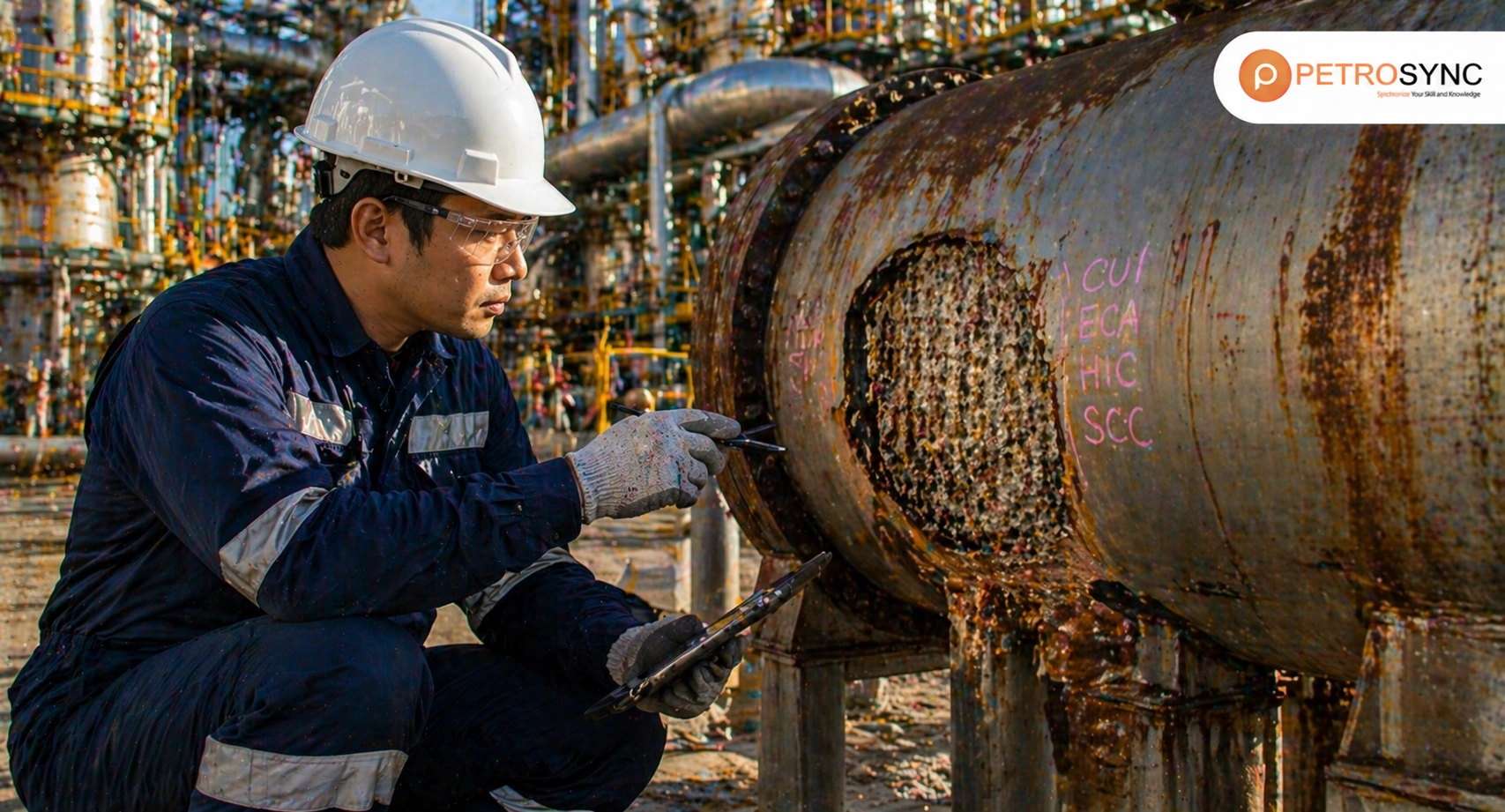
Participants learn how equipment deteriorates under real operating conditions. Common topics include corrosion, cracking, erosion, thermal degradation, metallurgical changes, and hydrogen-related damage.
Rather than waiting until failures occur, attendees learn how to recognize warning signs early, evaluate risks more accurately, and support proactive maintenance decisions.
This makes API 571 highly relevant for:
- Refineries
- Petrochemical facilities
- LNG plants
- Offshore and onshore operations
- Power generation sites
- Storage terminals
- Manufacturing process plants
For companies operating aging assets or high-value facilities, API 571 knowledge can improve reliability and help prevent unnecessary losses..
Key Benefits of Mastering API 571 Course for the Oil & Gas Industry
1. Improved Safety & Operational Reliability
Many equipment failures begin with small indicators that are easy to overlook. API 571 helps teams detect those early signals and respond before issues become serious.
Possible results include:
- Fewer leaks and breakdowns
- More stable uptime
- Safer workplaces
- Less emergency maintenance activity
For management teams, safer operations often mean stronger continuity and fewer disruptions..
2. Compliance with Industry Standards, Codes & Regulations
Energy businesses face growing expectations from regulators, insurers, auditors, and commercial partners. The API 571 Course helps professionals understand recognized practices and apply them correctly.
This can support:
- Better audit readiness
- Stronger internal controls
- Clearer inspection records
- Greater confidence during technical reviews
Well-prepared teams often reduce compliance gaps and improve consistency across multiple sites.
3. Reduced Asset Failure & Field Incident Risks
Most failures develop over time through corrosion, fatigue, overheating, contamination, or mechanical stress. When left unmanaged, minor damage can grow into a major shutdown event.
By understanding API 571 principles, teams can:
- Prioritize critical assets
- Improve inspection schedules
- Detect deterioration trends sooner
- Reduce costly reactive repairs
Many maintenance programs report downtime improvements of 30% to 50% when proactive asset strategies are combined with strong technical execution.
4. Optimized Equipment Performance, Lifespan & Integrity
When operating conditions are managed properly, equipment often performs longer and more consistently. API 571 explains how pressure, temperature, metallurgy, and contaminants can influence equipment life.
This supports smarter decisions regarding:
- Repair timing
- Replacement planning
- Turnaround scope
- Operating limits
- Asset life extension initiatives
For mature plants, extending equipment life can delay unnecessary capital spending.
5. Cost Efficiency in Operations, Maintenance & Downtime
Reactive maintenance is usually the most expensive path. Emergency shutdowns, urgent procurement, overtime labor, and lost production can increase costs rapidly.
API 571 helps organizations move toward a more planned and efficient model.
Potential gains include:
- Lower maintenance waste
- Better shutdown budgeting
- Reduced downtime exposure
- Improved manpower planning
- Stronger return on asset investment
For executives, this can create clear operational and financial benefits.

Advance Your Inspection Career with PetroSync’s API 571 Course
PetroSync provides an API 571 Course designed for professionals who need practical skills, not theory alone.
The program combines:
- Strong technical content
- Certification-oriented guidance
- Real industrial case studies
- Interactive discussion sessions
- Insights from experienced instructors
Whether you aim to improve personal expertise or build internal team capability, PetroSync offers a structured learning path aligned with industry expectations.
What Is API 571 Course Objective by PetroSync?
1. Pass API 571 Certification with Confidence
Participants receive focused guidance on the core technical topics commonly covered in certification pathways.
This helps strengthen:
- Exam readiness
- Confidence
- Subject understanding
- Study efficiency
2. Master ASME Codes for Accurate Inspection
The course improves understanding of relevant ASME codes related to inspection, repair, and equipment assessment.
Participants often gain greater confidence when reviewing documents and field conditions.
3. Perform API 571 Calculations with Accuracy
Participants learn practical methods for:
- Corrosion rate review
- Remaining life estimates
- Thickness analysis
- Inspection interval planning
Better calculations usually support better decisions.
4. Apply API 571 Standards in Real Work
Knowledge becomes more valuable when used in real operations. PetroSync uses workplace scenarios so participants understand how standards guide action.
Examples include:
- Inspection prioritization
- Shutdown planning
- Risk reduction
- Repair strategy decisions
5. Understand Welding Standards and Qualification
Repair quality has a direct impact on future reliability. The course helps participants understand welding principles, qualification requirements, and common quality risks that affect equipment integrity.
What Is API 571 Course Outline by PetroSync?
1. Day 1
- API 571 fundamentals
- Damage mechanism concepts
- Materials basics
- Asset integrity principles
2. Day 2
- General corrosion
- Localized corrosion
- Corrosion under insulation
- Process contamination damage
3. Day 3
- High-temperature damage
- Hydrogen attack
- Thermal fatigue
- Brittle fracture
- Metallurgical issues
4. Day 4
- Cracking mechanisms
- Failure recognition
- Inspection methods
- Mitigation planning
- Case studies
5. Day 5
- Technical review
- Practical workshop
- Certification preparation
- Instructor Q&A
- Final discussion session
Who Should Attend API 571 Course by PetroSync?
This course is recommended for:
- Inspection Engineers
- Mechanical Engineers
- Corrosion Engineers
- Reliability Engineers
- Maintenance Managers
- Plant Managers
- Operations Leaders
- Asset Integrity Teams
- Technical Superintendents
- Senior Decision Makers
It is also beneficial for companies developing future technical leaders and strengthening internal capability.
Advantages of Joining API 571 Course at PetroSync
1. Training Aligned with API 571 Certification Standards
The curriculum follows recognized industry expectations and emphasizes practical competence.
2. Real Industry Case Studies from Oil & Gas Operations
Participants learn from realistic field scenarios involving corrosion, shutdown planning, and integrity decisions.
3. Delivered by Experienced Global Industry Practitioners
Sessions are led by professionals with hands-on experience across international industries.
4. Comprehensive Curriculum Based on International Best Practices
The program combines standards, engineering logic, inspection methods, and reliability principles.
5. Interactive Learning Environment with Practical Applications
Participants can discuss real challenges, ask questions, and connect lessons with workplace needs.
6. Trusted by Energy Companies Worldwide
Many organizations choose PetroSync to improve team capability and strengthen operational readiness.
How Much Does API 571 Course Cost at PetroSync?
Training fees may vary based on schedule, location, delivery method, and participation model.
However, experienced leaders often compare the investment against the cost of:
- One preventable shutdown
- One major repair event
- One delayed turnaround
- One asset failure incident
In many cases, competency development delivers far greater long-term value than the initial training fee.
For updated schedules and commercial details, companies can contact PetroSync directly.
Advance Your Inspection Career with API 571 Course at PetroSync
In today’s competitive energy market, companies need professionals who can solve technical issues before they turn into operational losses.
The API 571 Course equips participants with practical knowledge that supports:
- Better safety performance
- Stronger compliance culture
- Higher equipment reliability
- Lower risk exposure
- Smarter maintenance decisions
If your organization wants to build stronger teams, protect valuable assets, and improve long-term performance, PetroSync offers a trusted platform to help achieve those goals.
Invest in the right people today and build stronger operations for tomorrow.

Results-oriented and thorough SEO specialist with extensive experience in conducting keyword research, developing and implementing digital website promotion strategies and plans, managing campaigns to develop company websites in the digital world, excellent knowledge of marketing techniques and principles, and attentive strong attention to detail.

Business Development Manager at PetroSync with 12+ years of experience in professional training and business development across the energy and industrial sectors.