

Oil and gas plant performance is no longer just a technical concern—it’s a strategic business imperative. In today’s energy industry, every minute of downtime, every inefficiency, and every missed opportunity to optimize operations can translate into millions in lost value.
For leaders overseeing these facilities—whether upstream, midstream, or downstream—the key question is no longer “Are we operational?” but “Are we truly maximizing plant performance?”
Oil and gas plant are the heart of the hydrocarbon value chain. Their role extends beyond processing fluids—they are where reliability, profitability, and sustainability intersect. But to unlock their full potential, companies need more than just advanced equipment. They need strategic insight, data-driven decision-making, and empowered people.
In this article, we’ll explore what oil and gas plant really are, how they function, and how optimizing them can create lasting impact for your business.
What is a Plant in Oil and Gas?
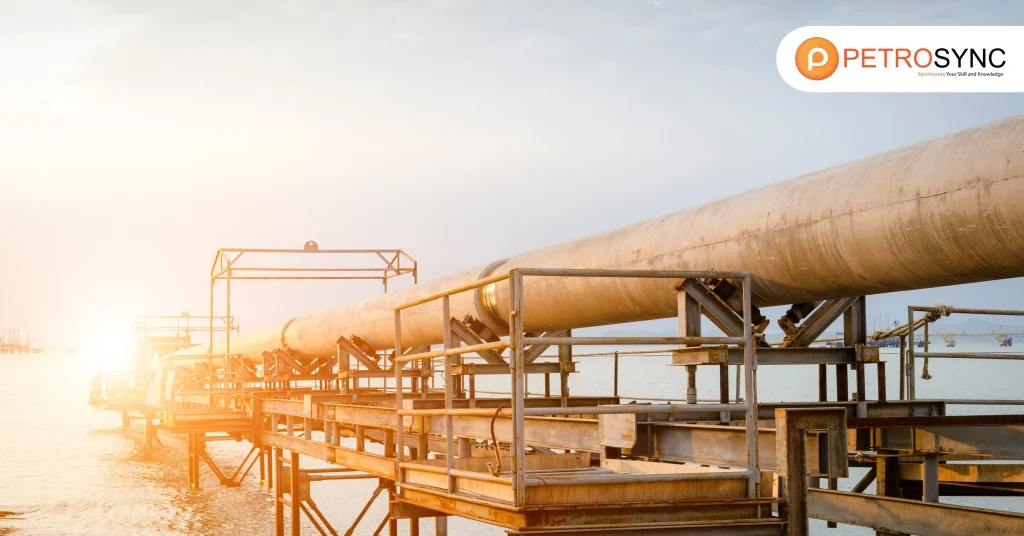
An oil and gas plant is more than just pipes, tanks, and steel. It’s the engine room where raw hydrocarbons are stabilized, separated, treated, and made ready for refining or distribution. Positioned between extraction and refining, this facility ensures that production is clean, efficient, and economically viable.
These plants handle extreme conditions—high pressure, temperature, and complex multiphase flows. Without them, even the most productive wells would lose their commercial value. More importantly, a well-run plant reduces emissions, extends equipment life, and ensures compliance—while driving up asset performance.
From offshore platforms to massive onshore terminals, oil and gas processing plant are not just operational centers—they are strategic assets.
What is a Process Plant in the Oil and Gas Industry?
A process plant in oil and gas refers to a facility where raw hydrocarbons undergo physical and chemical processing to become stabilized and transportable. This includes separation of oil, gas, and water; removal of contaminants; and conditioning for pipeline specifications. Every process plant consists of interconnected units: separators, heat exchanger, compressors, treaters, and scrubbers.
But the real differentiator isn’t the equipment—it’s the know-how.Organizations that invest in training and advanced process control see up to 15% improvement in production efficiency, while significantly reducing downtime. These gains are driven by skilled professionals who understand how to fine-tune systems, spot failure patterns early, and manage integrated operations with precision.
Operational excellence starts at the process level. And it is achieved not by doing more—but by doing smarter.

What are the Three Types of Oil and Gas?
To fully understand how an oil and gas plant functions, it’s important to recognize the three primary types of hydrocarbons it processes:
1. Crude Oil
A raw mixture of hydrocarbons with varying viscosity and sulfur content. Heavy crude is more complex to process, while light sweet crude requires less treatment. Plants are typically optimized for specific crude profiles.
2. Natural Gas
Composing mostly methane, natural gas must be purified, dehydrated, and compressed before use or export. Process plants remove acid gases and water vapor to meet pipeline and market specs.
3. Natural Gas Liquids (NGLs)
These include propane, butane, and ethane, often separated from natural gas streams. Each has its own handling, safety, and value chain requirements—adding another layer of complexity to plant operations.
Each type influences how a plant is designed, operated, and maintained. Understanding these differences is essential for ensuring safety, efficiency, and profitability across the value chain.
What are the Uses of Oil Plants?
The impact of an oil and gas plant goes far beyond production numbers. These plants are foundational to modern civilization. Here’s what they enable:
- Fuel Production: The output becomes feedstock for refineries, which produce gasoline, diesel, jet fuel, and more.
- Industrial Feedstock: Processed hydrocarbons are used in petrochemical production—fertilizers, plastics, solvents, and resins.
- Power Generation: Treated natural gas is a leading energy source for cleaner-burning electricity.
- National Revenue: In many countries, the output from oil and gas plants constitutes a major share of GDP and export value.
A well-optimized plant doesn’t just produce—it multiplies value. Studies have shown that minor increases in plant efficiency can generate tens of millions in additional revenue annually. In volatile markets, that margin can determine long-term viability.
Boost Your Career—Join PetroSync Training Programs Today
Behind every high-performing plant is a leader who chooses to rise above routine—someone who doesn’t just react to challenges but anticipates them. If you’re a manager, senior engineer, or technical lead in oil and gas, you already understand that true operational excellence doesn’t come from experience alone—it comes from continual growth.
In today’s high-pressure operational environments, the ability to lead with foresight, precision, and confidence is what sets impactful leaders apart from the rest.
At PetroSync, we believe training should go beyond theory. That’s why seasoned experts with decades of field experience design our programs to solve real-world challenges—not just tick a certification box.
We structure each course to help you connect field performance with strategic business outcomes. Whether you’re aiming to reduce downtime, strengthen asset reliability, or improve safety standards, PetroSync delivers practical frameworks, proven tools, and actionable insights you can apply immediately in your plant.
Thousands of professionals have already elevated their careers through PetroSync’s trusted programs. Now it’s your turn. Because when you grow, your plant grows. When you level up, performance follows. Choose PetroSync—because peak performance starts with you.

Results-oriented and thorough SEO specialist with extensive experience in conducting keyword research, developing and implementing digital website promotion strategies and plans, managing campaigns to develop company websites in the digital world, excellent knowledge of marketing techniques and principles, and attentive strong attention to detail.

Business Development Manager at PetroSync with 12+ years of experience in professional training and business development across the energy and industrial sectors.