


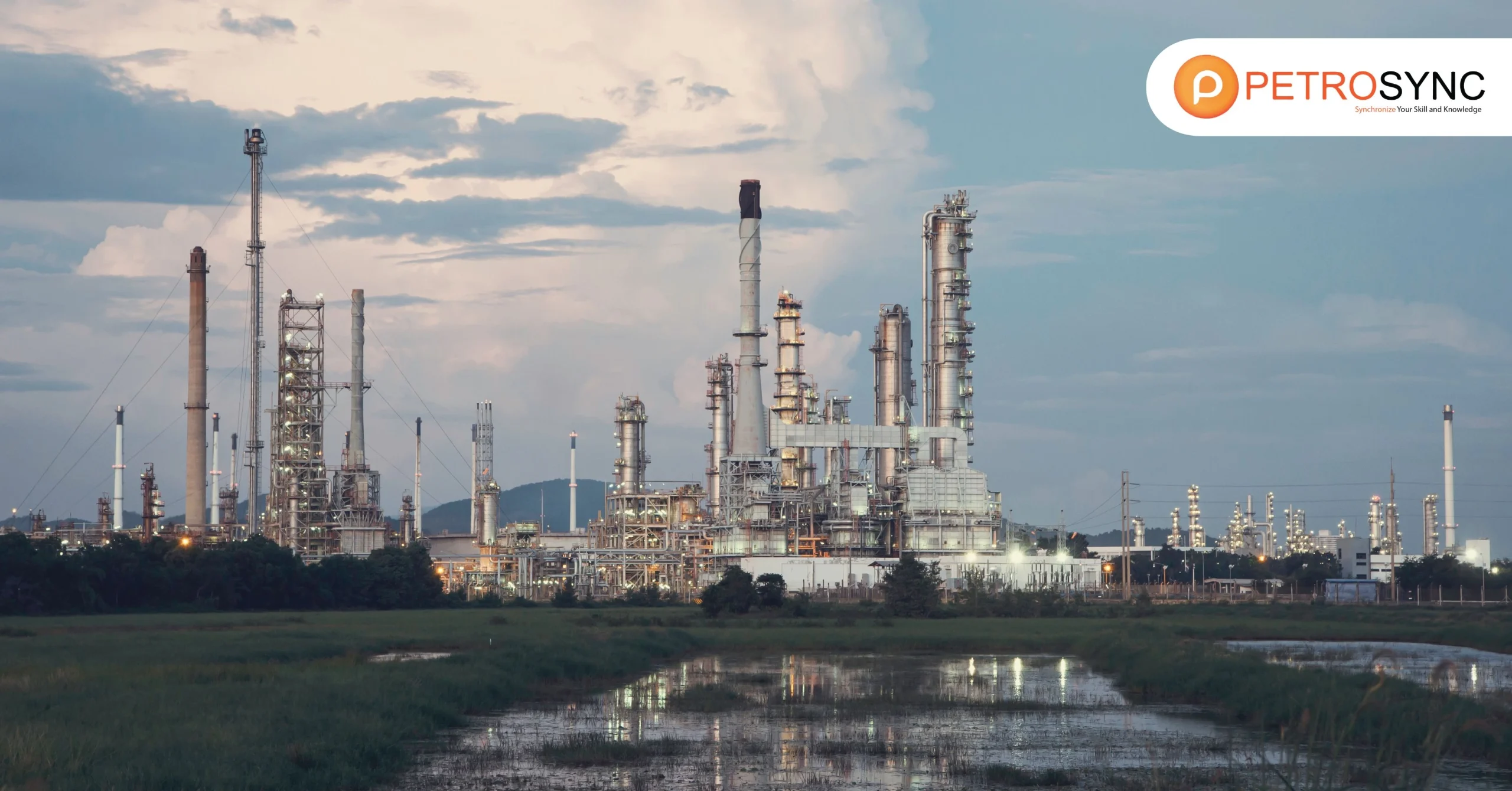
Oil and gas refinery operations play a pivotal role in the global energy landscape. In a world of fluctuating oil prices, tightening regulations, and rising demand for cleaner fuels, the performance of your refinery is no longer just about output — it’s about intelligent, optimized operations.
For industry leaders and decision-makers, refining smarter is not only a technical goal but a strategic imperative for maximizing profitability. Today’s refineries operate under both extraordinary pressure and incredible opportunity. When managed with insight and foresight, even marginal gains in efficiency or asset reliability can lead to substantial business growth.
The question is: how can you transform conventional refining into a high-performance engine of value? Let’s explore the core processes behind oil and gas refining, practical ways to boost operational excellence, and the major challenges every refinery professional must overcome.
Key Processes in Oil and Gas Refinery
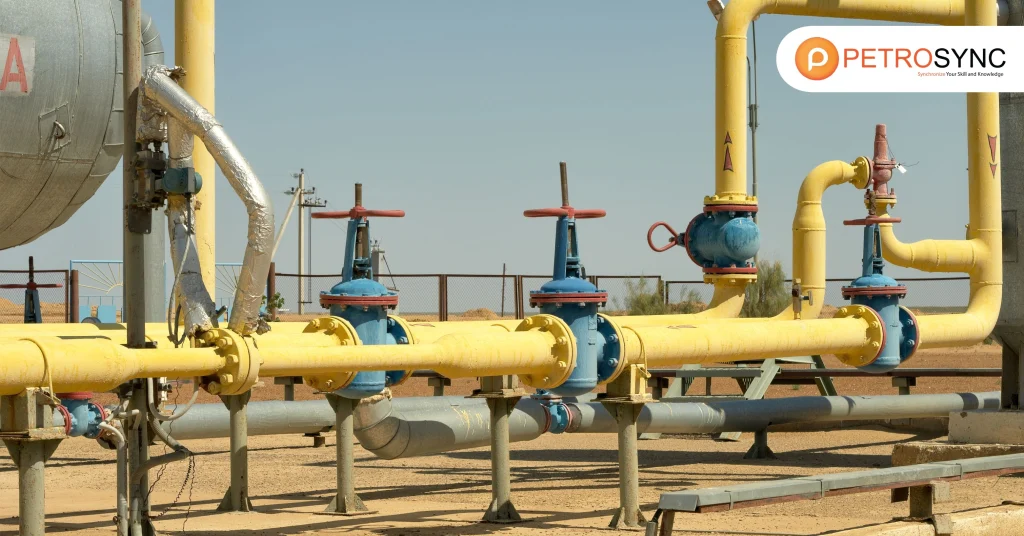
Refineries are highly complex, but at their core, they follow a logical process. Understanding this is essential for any manager or executive aiming to maximize plant output and financial returns.
1. Distillation – Separating the Crude
Distillation is the foundation of every refinery. This is where crude oil is separated into usable fractions based on boiling points — a high-heat process that creates layers of hydrocarbon groups like gasoline, kerosene, diesel, and heavier oils.
Although this process sounds basic, small upgrades in heat integration, column design, or flow control can significantly cut energy use and increase yield — something top-performing plants are already leveraging to boost profitability.
2. Conversion – Upgrading Hydrocarbons
Not all fractions are equally valuable. That’s where conversion units come into play. Using cracking, reforming, and coking technologies, refineries break down heavy fractions and restructure molecules into high-value fuels like high-octane gasoline or low-sulfur diesel.
Refineries that invest in flexible, adaptive conversion units often see a direct increase in profit margins, as they can pivot production to meet market demands more effectively.
3. Treatment – Ensuring Product Quality
After separation and conversion, hydrocarbon streams must be cleaned of impurities like sulfur, metals, or nitrogen to meet strict environmental and product quality standards. Hydrotreating and other chemical processes ensure that the final output meets regulatory compliance and customer expectations.
Beyond compliance, superior product quality often commands a premium price — making treatment not just a necessity but a strategic lever.

Optimizing Refinery Operations for Better Profitability
Operational efficiency is no longer optional — it’s the lifeline for margin improvement. Fortunately, data, automation, and predictive tools are transforming how refineries operate from the inside out.
1. Implementing Real-Time Data Monitoring
Modern refineries are information-rich environments. But the true differentiator lies in the ability to analyze and act on real-time data. From sensors on distillation columns to AI-powered control rooms, live monitoring empowers faster decision-making, better risk control, and more agile production planning.
Many leading refineries report up to 30–40% improvement in planning accuracy and significant gains in unit availability after adopting these systems.
2. Reducing Downtime Through Predictive Maintenance
Unexpected shutdowns can cost millions per day — and damage reputations. Predictive maintenance leverages condition-based monitoring and machine learning to anticipate equipment failure before it happens.
By identifying early signs of wear or imbalance, operators can schedule maintenance during optimal windows, cutting unplanned downtime by half and extending asset lifespan. This shift from reactive to proactive maintenance has become a hallmark of high-performing plants.
3. Enhancing Energy Efficiency with Smart Systems
Energy is a refinery’s largest operating expense, often accounting for over 50% of total OPEX. So, even a 5–10% gain in energy efficiency can dramatically boost profitability.
Smart heat exchangers, waste heat recovery systems, and advanced process control (APC) tools are helping leading refineries reduce emissions, lower energy bills, and meet environmental targets — all at once.
Challenges Faced by Refinery Professionals
Despite advancements, refinery leaders continue to face a range of persistent — and complex — challenges. Addressing them head-on is the only way to stay ahead.
1. Equipment Reliability and Aging Assets
Many refineries still operate with legacy infrastructure. With equipment often decades old, the risk of breakdowns, inefficiencies, and compliance violations increases.
To mitigate this, progressive operators are implementing digital twins, drone inspections, and asset integrity programs — modern solutions for legacy problems.
2. Meeting Environmental Regulations
The global push toward cleaner energy has raised the bar for emissions and fuel standards. Refineries are now under pressure to meet stricter sulfur limits, reduce CO₂ emissions, and prove sustainable performance.
Compliance is non-negotiable, but staying ahead of the curve can actually create competitive advantages, especially when engaging with international buyers or environmentally conscious partners.
3. Integrating New Technologies Seamlessly
Technology adoption isn’t just about installing new systems — it’s about managing change. Resistance from teams, lack of technical readiness, or integration issues with existing infrastructure can stall transformation efforts.
Smart leaders are adopting phased rollouts, cross-functional training, and external upskilling programs to bridge the gap between potential and performance.
Advance Your Expertise with PetroSync Training
Refining smarter doesn’t happen by chance — it takes knowledge, strategy, and the right tools. That’s why more refinery leaders are turning to PetroSync’s specialized training programs to gain a competitive edge.
Whether you’re aiming to optimize processes, improve asset reliability, or meet new environmental standards, our expert-led courses deliver practical skills and proven frameworks tailored to the real-world demands of refinery operations.
One of our customer refineries in Southeast Asia stated a 12% enlarge in throughput and an 8% discount in electricity consumption inside three months of finishing our program. These are now not simply numbers — they’re proof that focused upskilling will pay off.
When you educate with PetroSync, you are no longer simply gaining knowledge of — you are reworking how your group performs and how your refinery profits. Let’s refine smarter, and earnings higher — together.

Results-oriented and thorough SEO specialist with extensive experience in conducting keyword research, developing and implementing digital website promotion strategies and plans, managing campaigns to develop company websites in the digital world, excellent knowledge of marketing techniques and principles, and attentive strong attention to detail.

Business Development Manager at PetroSync with 12+ years of experience in professional training and business development across the energy and industrial sectors.