

The world of mechanical engineering is evolving at a pace we have never experienced before. From product design to large-scale industrial systems, mechanical design has become the backbone of innovation in multiple sectors – oil and gas, automotive, aerospace, and renewable energy, to name a few.
Today’s decision-makers – senior engineers, managers, and executives – must not only adapt to these changes but also recognize how these innovations are reshaping competitiveness and long-term growth. Before diving into the breakthroughs that are redefining mechanical design, it’s worth understanding why this discipline holds such a critical role in the broader landscape of modern engineering.
Why Is Mechanical Design Critical in Modern Engineering?
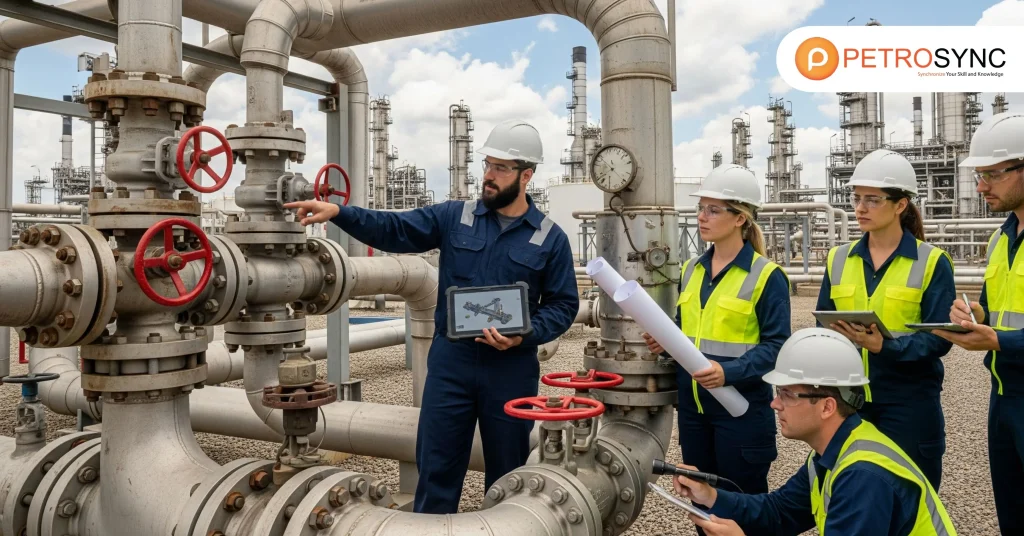
Mechanical design serves as the foundation of engineering projects by ensuring efficiency, reliability, and safety. A poorly optimized design can lead to higher production costs, equipment failures, and even severe safety risks. On the other hand, well-executed design processes can increase operational efficiency by up to 20–30%, directly impacting profitability and sustainability.
For instance, in the oil and gas industry, a robust mechanical design in drilling equipment can reduce downtime significantly—improving project delivery timelines and cutting maintenance costs. Similarly, in manufacturing, precision-driven mechanical systems have helped companies achieve faster production cycles without compromising quality.
In short, mechanical design is not just about drafting components—it’s about enabling innovation, minimizing risks, and setting a foundation for sustainable growth.
What Are the Latest Trends and Innovations in Mechanical Design?
The landscape of mechanical design has shifted dramatically in recent years, largely due to advancements in technology and the growing demand for sustainable, efficient solutions. Below are some of the most influential innovations reshaping the discipline.
A. Advanced CAD and Simulation Tools
Modern Computer-Aided Design (CAD) and simulation platforms have revolutionized how engineers approach mechanical systems. Unlike traditional 2D drafting, today’s CAD systems enable 3D modeling, digital prototyping, and real-time stress testing.
A study published in the Journal of Mechanical Design highlighted that integrating simulation tools in the early stages of development can reduce design errors by 25% and cut prototyping costs by nearly 40%. This enables teams to innovate faster while keeping risks manageable.
B. Integration of AI and Automation in Design Processes
Artificial Intelligence (AI) is no longer just a futuristic concept—it is becoming a central tool in design processes. Engineers are leveraging AI to optimize complex structures, predict failure points, and even automate repetitive tasks.
For example, generative design powered by AI algorithms can produce thousands of design iterations within hours, compared to weeks if handled manually. According to insights from McKinsey & Company, AI-driven design and product development have boosted productivity in engineering-intensive sectors by as much as 15–20%.
This not only shortens development cycles but also empowers teams to focus more on strategic problem-solving rather than routine calculations.
C. Sustainable and Energy-Efficient Design Approaches
Sustainability is no longer optional—it is a requirement. Mechanical engineers are under pressure to design products and systems that consume less energy, produce fewer emissions, and use recyclable materials. Green design principles are being adopted across industries.
For instance, lightweight mechanical structures in aerospace have reduced fuel consumption by up to 10%, while energy-efficient HVAC systems have cut operational costs in buildings by nearly 30%. The International Energy Agency emphasizes that engineering innovation plays a vital role in achieving net-zero targets globally.

How Do These Innovations Affect Engineers and Design Teams?
These technological advancements are transforming the daily work of engineers and design teams. Teams that adopt advanced tools and methods gain a competitive edge by:
- Reducing design cycle times
- Improving collaboration across multidisciplinary teams
- Enhancing accuracy and reliability of outputs
However, the shift also demands a mindset change. Engineers must adapt quickly to new technologies, and leaders must foster a culture of continuous learning within their organizations. Those who resist risk falling behind in an increasingly competitive landscape.
What Challenges Do Mechanical Designers Face Today?
Despite rapid innovations, mechanical designers face several persistent challenges:
- Complexity of projects: Modern engineering often involves multi-disciplinary integration, making coordination critical.
- Sustainability requirements: Meeting environmental regulations while maintaining cost efficiency remains a tough balance.
- Talent gaps: Many organizations struggle to find engineers skilled in advanced CAD, AI, or sustainable design practices.
- Global competition: Companies across the globe are racing to adopt innovations, raising the bar for performance and cost.
These challenges highlight the importance of not just technical expertise, but also leadership, adaptability, and access to continuous development programs.
How Can Professionals Stay Ahead with Training and Development?
Staying relevant in the fast-changing world of mechanical design requires more than technical know-how—it requires structured training and exposure to global best practices.
Professional development programs allow engineers and managers to:
- Gain hands-on experience with the latest CAD and AI-driven design platforms
- Understand sustainability-focused engineering frameworks
- Develop leadership and project management skills tailored for modern design challenges
Research by the Association for Talent Development shows that companies investing in workforce training report up to 24% higher profit margins compared to those that do not prioritize development. For senior professionals, training is no longer a nice-to-have—it is a strategic necessity to stay ahead in a rapidly transforming industry.
Ready to Boost Your Mechanical Design Skills? Join PetroSync Training
Mechanical design is not just about building machines—it’s about shaping the future of engineering. By embracing innovations such as AI-driven design, advanced simulations, and sustainable frameworks, professionals can directly influence their organization’s competitiveness and growth.
At PetroSync, we understand the challenges faced by senior engineers, managers, and executives in adapting to these changes. Our training programs are designed to bridge the gap between traditional design practices and the cutting-edge tools that define the future of engineering.
Whether you are aiming to refine your technical expertise or elevate your leadership skills, our courses offer practical insights tailored to real-world challenges. Take the next step in advancing your career and ensure you stay ahead in this transformative era of mechanical design. Join PetroSync’s specialized training and unlock opportunities to lead innovation with confidence.

Results-oriented and thorough SEO specialist with extensive experience in conducting keyword research, developing and implementing digital website promotion strategies and plans, managing campaigns to develop company websites in the digital world, excellent knowledge of marketing techniques and principles, and attentive strong attention to detail.