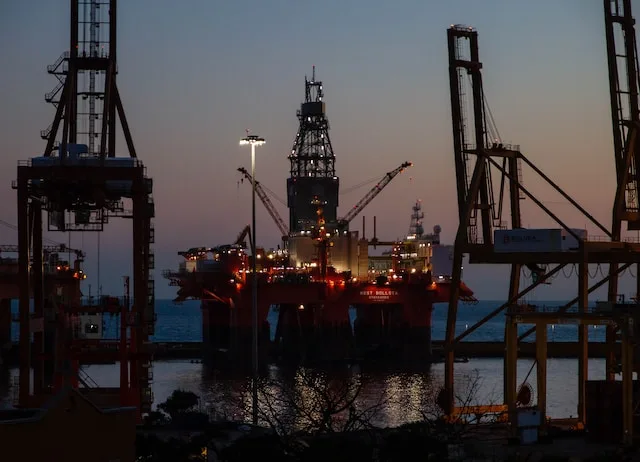
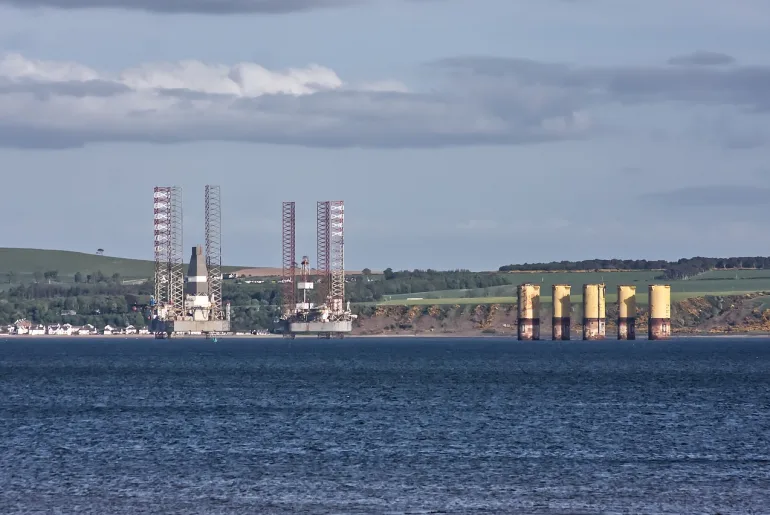
Well control plays a crucial role in safeguarding personnel, preserving the environment, and averting the potentially disastrous outcomes of blowouts. As one of the well-established and extensively studied disciplines within the oil and gas sector, the significance of well control…
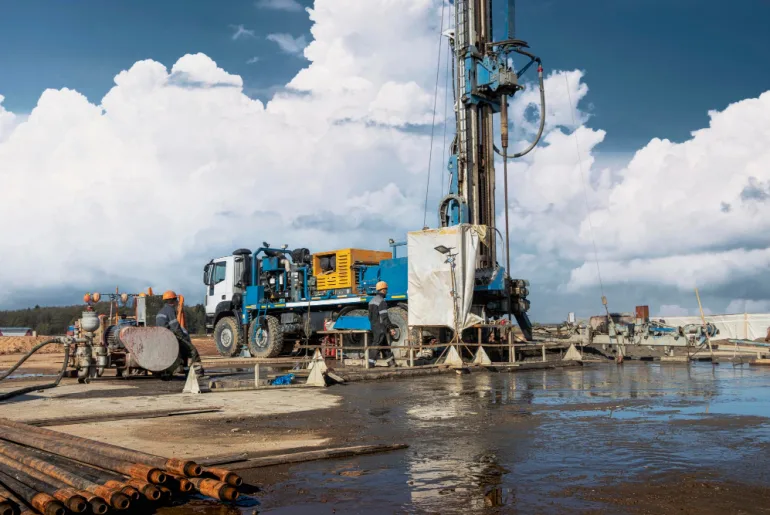
Wellbore treatment refers to the use of specific techniques and procedures in oil and gas wells to tackle different issues that can affect the performance of the well. These treatments are applied to the wellbore, which is the drilled hole…
In the oil and gas industry, API inspectors play a critical role in ensuring compliance with industry standards. They are responsible for conducting inspections, audits, and assessments of facilities, equipment, and processes to guarantee adherence to API guidelines. This article…
The CMRP certification is a prestigious recognition for maintenance and reliability professionals seeking to enhance their careers. This guide offers valuable insights into CMRP certification, including its benefits, application process, exam details, and valuable materials for exam preparation. Read on…
A shell and tube heat exchanger functions as a heat transfer device utilized in various industries for exchanging heat between two fluids without any contact between the two. The exchanger comprises a cylindrical vessel called a shell, which encloses a…
A well log, also known as a borehole log or simply a log, is a record of measurements taken during the drilling of an oil or gas well. In well-log analysis, engineers interpret and analyze data from well logs to…
Reliability-Centered Maintenance (RCM) is a maintenance strategy implemented at the organizational level to maximize the effectiveness of maintenance programs by establishing minimum required levels of equipment upkeep. RCM focuses on aligning specific assets with the most suitable maintenance techniques with…
Coiled tubing is a long, flexible tube made of steel or composite materials that can be wound onto a sizable reel for easy transportation. Coiled tubing operation has become a crucial tool in the oil and gas industry, offering engineers…
ASME Section VIII is a part of the ASME Boiler and Pressure Vessel Code (BPVC) that establishes standards for ensuring the safety and reliability of pressure vessels and boilers. It focuses on designing, constructing, inspecting, and certifying pressure vessels for…
The oil and gas industry relies on well intervention as a vital component of the upstream process. Well intervention involves any activities necessary to boost well production and it provides major advantages as it directly affects production optimization, wellbore cleaning,…