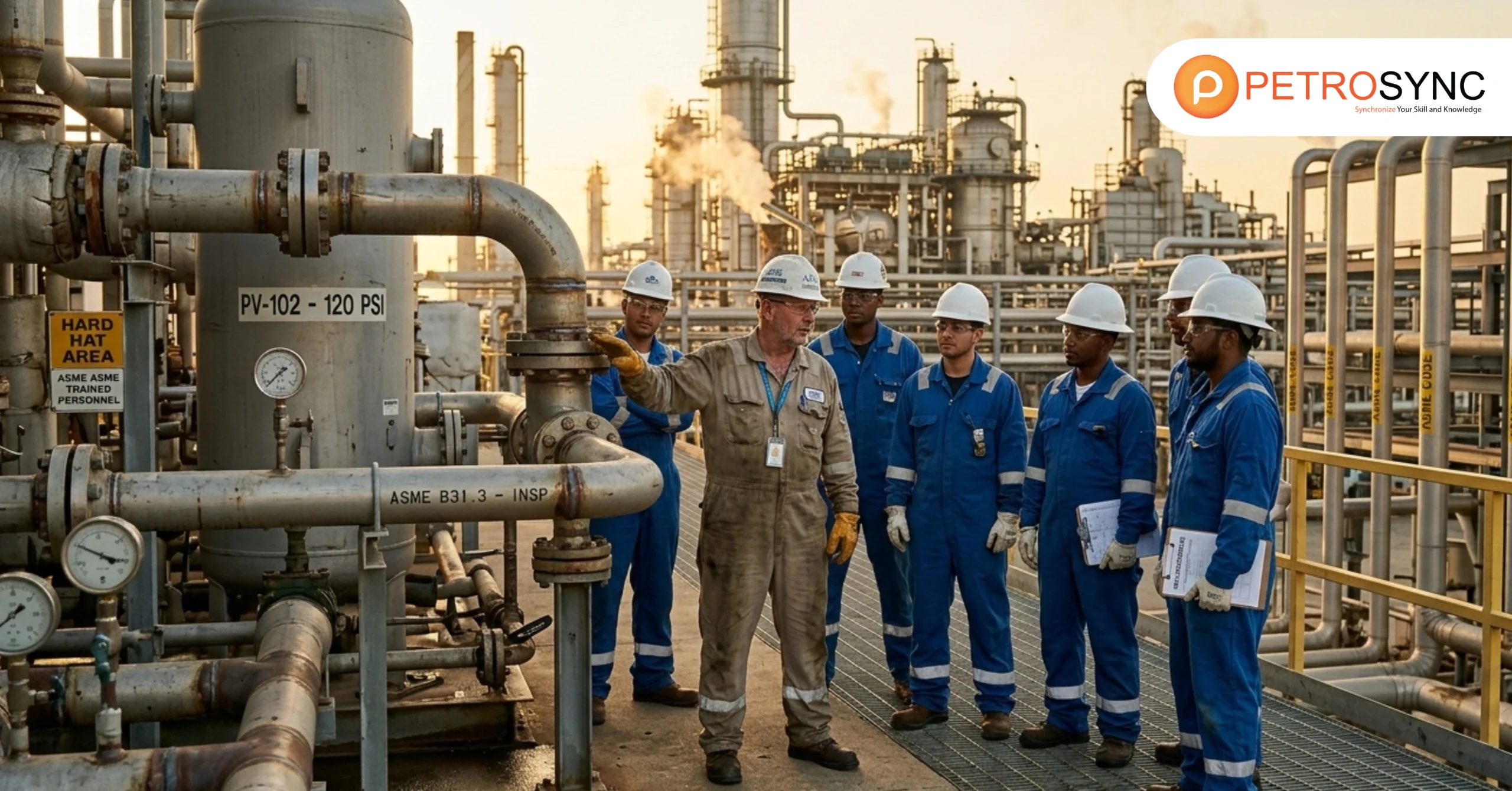
API 570 performs a pivotal characteristic in the oil and fuel corporation as a trend for the in-service inspection of piping systems. For plant managers, senior engineers, and decision-makers, analyzing this cutting-edge is integral for keeping asset reliability, minimizing downtime,…
In addressing the difficulties of climate change the best solution is lowering carbon emissions especially for the energy sector. Carbon Capture and Storage (CCS) is a prominent and fast evolving technology. Carbon Capture and Storage is an innovative technology for…
API 936 provides essential standards for the proper installation, inspection, and testing of refractory materials in high-temperature industries. Sectors like oil and gas, petrochemical, and power generation rely heavily on refractory linings to protect critical equipment from extreme heat, chemical…
API 653 serves as the globally accepted standard for ensuring the safety, reliability, and integrity of aboveground storage tanks (ASTs) in the petrochemical industry. Given the critical role these tanks play in storing hazardous and non-hazardous materials from various production…
Knowledge of effective tank inspection and maintenance is critical in the demanding industries of oil and gas, petrochemicals, and energy. The API 653 course provides critical training, educating professionals with the skills and knowledge needed to undertake tank inspections in…
In the competitive oil and gas business, quality control in refractory installations is not an option; it is required. API 936 is a crucial certification that demonstrates a professional’s competence to properly manage and oversee refractory operations. With rising expectations…
ISO 55000 is an international standard that helps enterprises actively manage their assets. It provides a systematic and comprehensive strategy to improve asset performance, reduce risk, and maximize value in order to achieve organizational goals. The goal of ISO 55000…
The oil, gas, and petrochemical industries rely significantly on pressure vessel to operate safely. Professionals having an API 510 certification are highly recognized in these industries since it confirms their experience in inspecting, repairing, and maintaining pressure vessels in accordance…
Hydraulic fracturing is a process that involves injecting high-pressure fluid into rock formations deep below the Earth’s surface. The fluid creates fractures in the rock, allowing trapped hydrocarbons—such as oil and gas—to flow more freely to the production well. This…
Why is API Certification a crucial standard for safety, quality, and operational excellence in the oil and gas industry? This globally recognized certification not only ensures compliance with industry regulations but also fosters trust and reliability, paving the way for…