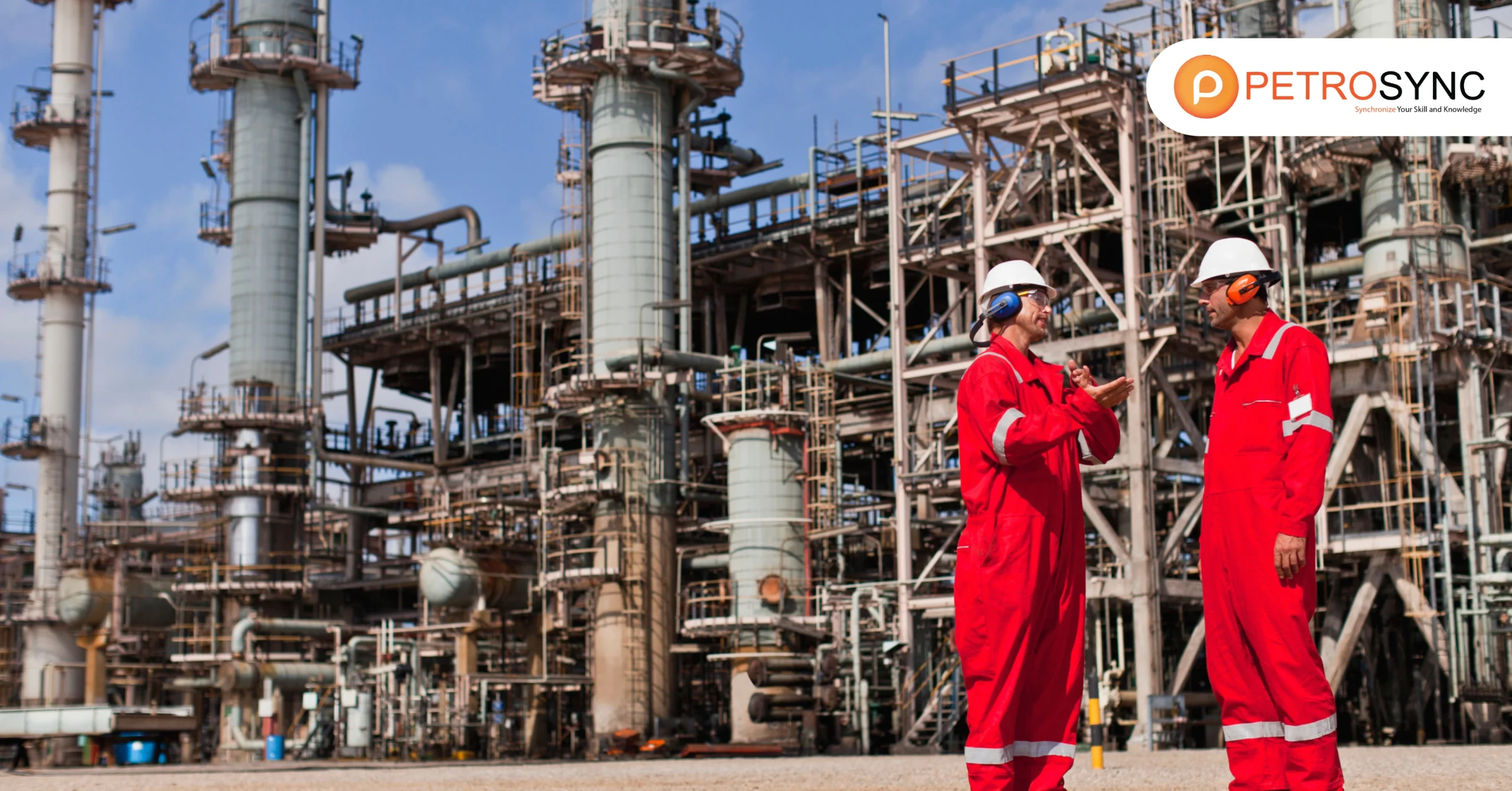
Metallurgy is greater than the learning about metals—it’s the basis of safety, performance, and innovation throughout high-risk industries. In oil, gas, and manufacturing, the place environments are harsh and tools failure can value millions, metallurgy stands as a crucial self-discipline…
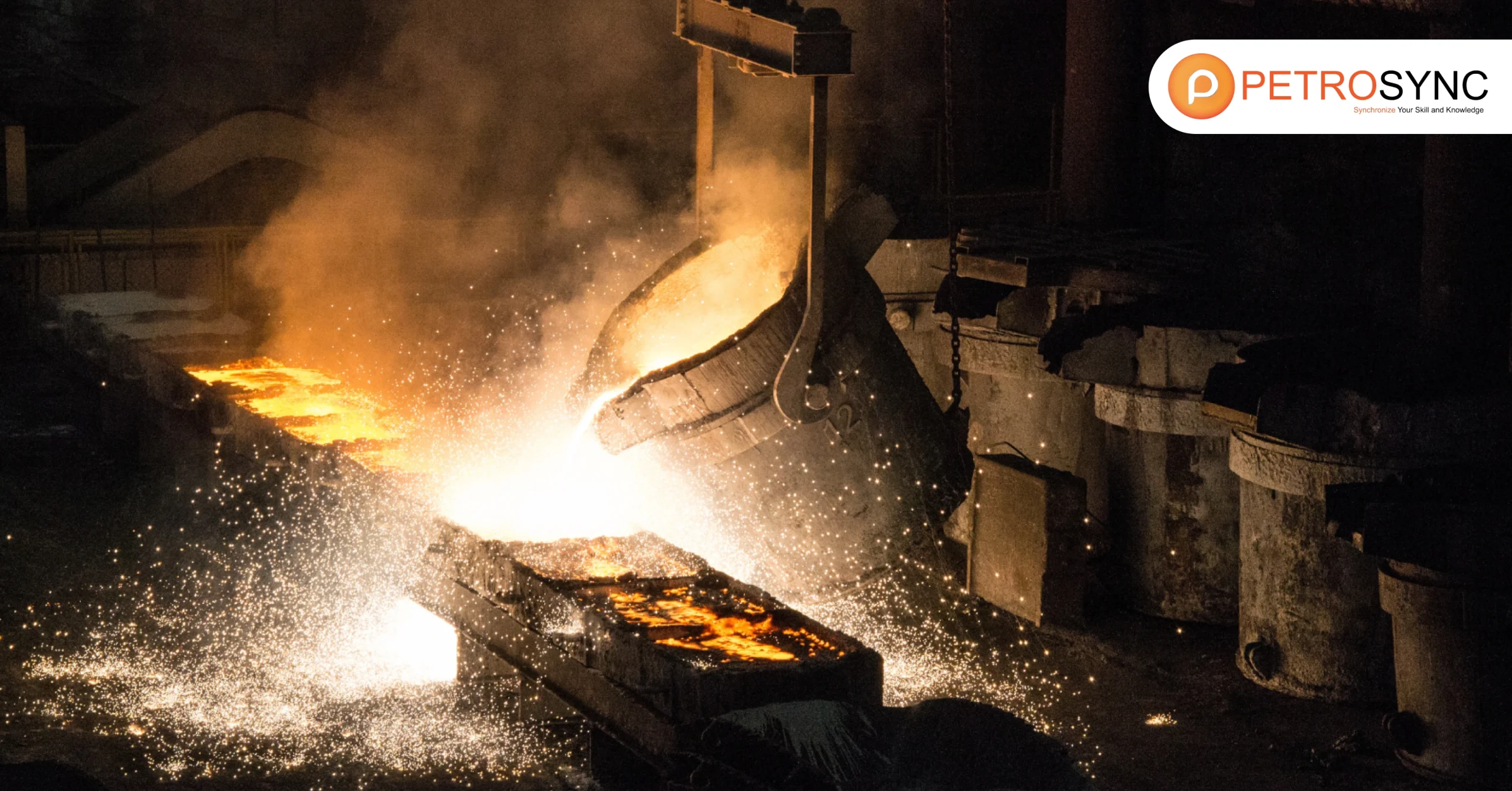
API 581 is a globally recognized standard for Risk-Based Inspection (RBI) that offers significant advantages for the oil and gas industry. By implementing API 581, companies can enhance asset integrity, reduce operational risks, and optimize inspection resources. One of the…
In the industrial heating domain, two essential players stand out: direct and indirect fired heaters. Direct fired heaters directly expose materials to flames for efficient heat transfer, while indirect fired heaters use an intermediary heat transfer fluid to prevent direct…
Embarking on the journey through refining processes reveals the vital role of fired heaters in ensuring efficient and precise operations within these industrial settings. This article thoroughly explores the fired heaters application in refineries, uncovering their importance in processes such…
In high-stakes industries like oil and gas, manufacturing, and energy, the smallest undetected flaw can lead to catastrophic consequences. Ensuring asset integrity isn’t just about technology or regulations—it begins with one of the oldest and most fundamental inspection techniques: visual…
In the oil, gas, petrochemical, and energy industries, pressure vessel integrity is critical to ensuring safety and efficiency. Regular inspections, in accordance with industry standards such as API 510, are critical in maintaining this integrity. API 510 certification provides individuals…
The oil and gas industry has various issues when it comes to managing risks connected with equipment operation and maintenance. If the possible hazards in this industry are not addressed appropriately, they might cause serious safety and environmental problems. Risk-Based…
In the oil and gas, petrochemical, and energy industries, safety and efficiency are critical factors that ensure long-term operational success. Among the essential certifications required for professionals in these industries is the API 510 certification. This credential verifies a professional’s…
The API 510 certification is extremely useful for individuals who are directly involved in the complex process of pressure vessel inspection, especially in high-risk industries such as oil and gas, petrochemicals, and energy. These industries rely significantly on pressure vessel…
The API 570 inspector plays a critical role in preserving pipeline integrity for safety and efficiency in the oil and gas, petrochemical, and energy industries. The API 570 inspector establishes a plumbing system that meets predefined international requirements. The standards…