

In today’s fast-evolving energy and industrial landscape, mechanical system design is no longer just a drafting task — it has become a strategic advantage. Mechanical design technology enables organizations to innovate faster, reduce costs, improve safety, and enhance operational efficiency.
Senior engineers, managers, and CEOs who understand and leverage these tools can achieve better outcomes, minimize risk, and create measurable business value. This article explores how mechanical design technology transforms engineering results, its essential components, the challenges it addresses, and why mastqering it is critical. Finally, it highlights how practical training can help professionals maximize these benefits.
How Can Mechanical Design Technology Improve Engineering Outcomes?
Key Advancements in Mechanical Design Technology
Mechanical design has undergone significant evolution. Major advancements include:
- Parametric and feature-based CAD: Designs now propagate changes automatically, enabling rapid iterations and consistency.
- Simulation-driven optimization: Integrated algorithms explore thousands of design variations, achieving performance improvements without repeated physical testing.
- Energy and performance simulations: Virtual modeling allows evaluation of operational energy and efficiency before deployment.
- Virtual manufacturing: Simulated production workflows reduce resource waste, optimize throughput, and enhance predictability.
- Digital twins and IoT integration: Connecting models to real-time sensor data enables predictive maintenance and continuous performance optimization.
These technologies make mechanical design smarter, predictive, and highly integrated into operations.
Improving Efficiency and Accuracy
Mechanical design technology improves both efficiency and accuracy:
- Automated modeling reduces design cycles by up to 50%, cutting repetitive tasks.
- Virtual prototyping prevents costly design errors, saving time and resources.
- Simulated energy and resource usage optimizes operations and reduces operational costs.
- Automation frees designers to focus on innovation rather than manual drafting.
- Early-stage simulations support sustainability planning, including energy efficiency and carbon footprint reduction.
Real-World Applications
Industries are already realizing measurable benefits:
- Hydropower turbines: Advanced CAD and fluid simulation boosted efficiency by over 75%.
- Steel production: Virtual modeling increased throughput significantly, while cutting energy consumption and CO₂ emissions nearly 40%.
- Building retrofits: Energy simulations guided investment decisions and maximized energy savings before implementation.
These examples demonstrate the direct operational and financial value of modern mechanical design technologies.

Core Components Every Engineer Must Know
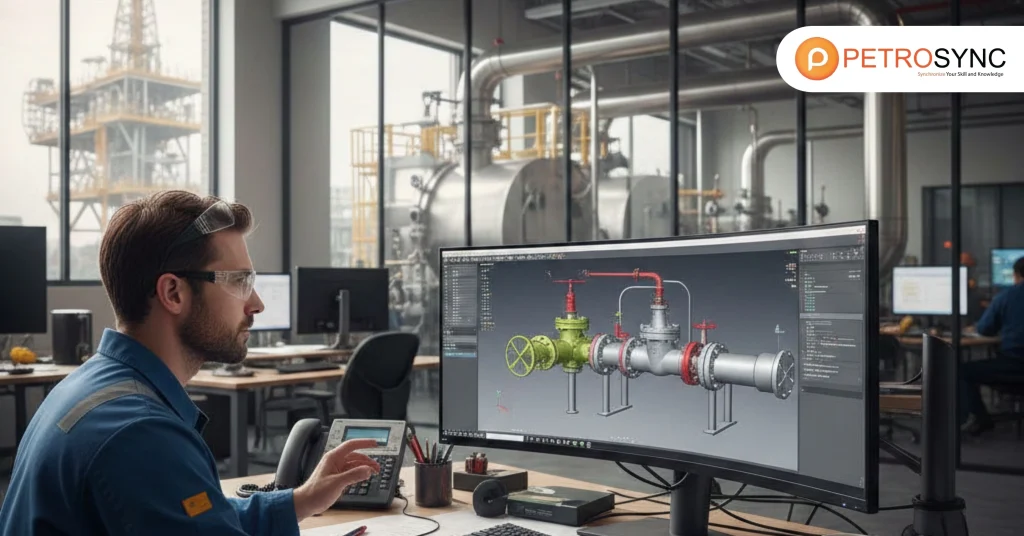
CAD and 3D Modeling Tools
Modern CAD goes beyond drawing:
- 2D drafting and 3D parametric modeling
- Feature libraries for standardization and speed
- Centralized digital models for multi-team collaboration
Simulation and Analysis Software
Simulation allows engineers to test and optimize virtually:
- Structural, thermal, and dynamic simulations
- Integration with optimization algorithms
- Energy simulations for operational cost projections
- Virtual manufacturing to streamline workflow and energy use
IoT and Smart System Integration
Smart systems and digital twins transform static designs into living models:
- Real-time monitoring and predictive maintenance
- Continuous performance optimization based on sensor feedback
- Designs that are modular, adaptable, and remotely optimized
Overcoming Engineering Challenges
Reducing Complexity
Large-scale projects involve numerous subsystems and teams. Mechanical design technology helps by:
- Centralizing digital models for clear collaboration
- Simulating system-level interactions to prevent integration issues
- Optimizing cost, energy, safety, and reliability simultaneously
Minimizing Errors and Rework
Rework is costly. Digital tools:
- Identify design flaws in virtual prototypes
- Automatically update dependent features to maintain consistency
- Run iterative simulations to optimize designs without physical trial-and-error
Upskilling Engineers
Adopting these technologies strengthens human capital:
- Encourages simulation-first thinking
- Enhances design problem-solving through performance metrics
- Fosters collaboration between design, operations, and maintenance teams
Upskilled engineers lead projects more effectively and ensure future readiness.
Why Mastering Mechanical Design Technology Matters
Staying Ahead in Innovation
Engineers who master these tools iterate faster, deliver reliable solutions, and drive innovation.
Sustainability Alignment
Digital design allows early-stage sustainability planning:
- Reducing energy consumption
- Choosing optimal materials and configurations
- Extending operational lifecycle and reducing waste
Safer and More Reliable Operations
Simulation and digital twins enhance operational safety, predict failures, and ensure maintainable, robust systems.
Enhance Your Skills with PetroSync Training
PetroSync provides specialized, practical training for energy and industrial professionals to fully leverage mechanical design technology.
Tailored, Practical Courses
Courses cover:
- CAD modeling and parametric design
- Simulation-driven optimization
- IoT and digital twin integration
- Sustainability-focused design principles
Hands-On Learning
Participants engage in real-world exercises:
Build CAD models and run optimization tests
Develop digital twin prototypes
Collaborate in project-based simulations
Achieve Better Outcomes
Training empowers professionals to:
- Deliver projects faster with fewer errors
- Improve energy efficiency and sustainability
- Build digitally capable, future-ready teams
- Strengthen leadership in engineering innovation
Investing in these skills delivers measurable operational and business results, creating a competitive advantage.

Results-oriented and thorough SEO specialist with extensive experience in conducting keyword research, developing and implementing digital website promotion strategies and plans, managing campaigns to develop company websites in the digital world, excellent knowledge of marketing techniques and principles, and attentive strong attention to detail.