


Oil and gas software is revolutionizing the way energy companies operate, helping professionals automate, analyze, and excel in a competitive and evolving landscape. In today’s energy sector, agility is more than just a competitive edge—it’s a non-negotiable.
As the oil and gas industry navigates complex challenges such as shrinking margins, operational safety, and sustainability targets, digital tools are enabling smarter, faster, and safer decisions across the board. The digital oilfield is not a future concept—it’s an active reality.
The ability to streamline workflows, visualize data in real-time, and scale efficient practices is not just enhancing productivity; it’s changing the game for engineers, managers, and executives alike. To unlock these benefits, professionals must understand where software fits into their goals—and how to select the right tools to drive meaningful outcomes.
Introduction to Oil and Gas Software
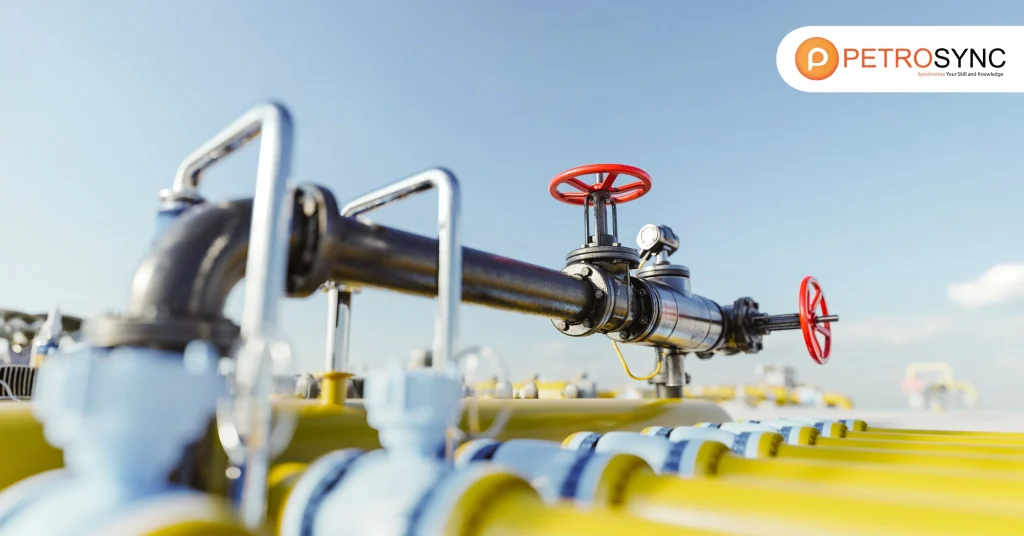
Oil and gas software refers to a suite of digital tools designed to support exploration, production, processing, and distribution. These platforms help engineers and decision-makers streamline workflows, simulate complex scenarios, and manage data across the lifecycle of assets. Whether it’s modeling a reservoir, planning a drill path, or monitoring pipeline health, software empowers teams to make faster and more accurate decisions.
Core Benefits of Using Oil and Gas Software
Oil and gas software delivers measurable value across several dimensions, especially when integrated effectively into core operations.
Real-Time Decision Support
Software platforms with real-time analytics allow decision-makers to monitor operations, detect anomalies, and take action before issues escalate. For example, predictive maintenance tools can alert field engineers of equipment degradation, reducing unplanned downtime by up to 30%.
Enhanced Operational Efficiency
By automating routine tasks and consolidating data sources, software reduces manual workload and boosts productivity. Integrated production management tools have shown to improve output by 8-15% across multi-site operations, according to McKinsey.
Improved Safety and Compliance
Regulatory compliance is more manageable when safety protocols are embedded into digital systems. Risk modeling and automated safety checks ensure operations are within guidelines, minimizing human error and enhancing audit readiness.
Scalable Collaboration
Cloud-based platforms offer centralized access to data, models, and performance dashboards. Cross-functional teams can collaborate in real-time, accelerating project timelines and reducing miscommunication.

Key Applications of Oil and Gas Software in Daily Operations
From exploration to production, software now plays a vital role in managing complex technical and operational tasks.
1. Reservoir and Geoscience Applications
Geoscientists and reservoir engineers rely on software like Petrel or CMG to build 3D geological models, perform simulation, and assess reservoir behavior under different development scenarios. These tools reduce uncertainty and guide optimal well placement and reservoir management.
2. Drilling and Well Engineering Software
Drilling software allows engineers to plan well trajectories, simulate drilling parameters, and monitor torque, drag, and hydraulics in real-time. Tools like Landmark’s Engineer’s Desktop have been reported to reduce planning time by 25% while improving safety margins.
3. Production and Operations Tools
Production software helps manage flow rates, artificial lift systems, and facility constraints. Integrated operations dashboards provide field teams and management with real-time views of production KPIs, enabling proactive optimization.
4. Automation, SCADA & Digital Twin Platforms
Supervisory Control and Data Acquisition (SCADA) systems are vital for remote monitoring of equipment and pipelines. Coupled with digital twin technology, operators can simulate and test scenarios in virtual environments before making field changes—a practice that reduces operational risk and improves uptime.
Choosing the Right Oil and Gas Software for Your Role
Different roles within an oil and gas organization require different software capabilities.
- Reservoir engineers look for simulation accuracy and integration with geological data.
- Drilling teams value planning speed, real-time monitoring, and risk prediction.
- Asset managers and executives seek tools that consolidate KPIs, improve capital efficiency, and support portfolio-level decisions.
Key selection criteria include scalability, vendor support, integration capability, user interface, and cost of ownership. It’s crucial to assess how well a solution fits within your existing digital ecosystem, and how quickly your team can adopt it.
Accelerate Your Digital Oilfield Skills with PetroSync Training
While the benefits of digital solutions are clear, adopting them effectively requires more than software licenses—it demands talent equipped with the right digital skills. Many seasoned engineers and managers are facing a new learning curve as software becomes integral to their daily responsibilities.
PetroSync’s oil and gas training programs are designed to bridge that gap. With practical, expert-led sessions, we help professionals upskill in reservoir modeling, drilling optimization, SCADA integration, and digital project management. Our programs combine technical depth with real-world applications, ensuring that what you learn can be immediately applied in your role.
Whether you’re a senior engineer looking to refresh your digital competencies or a manager aiming to lead a tech-enabled team, PetroSync provides the tools and guidance to move forward with confidence. Investing in upskilling is more than personal development—it’s a strategic decision to future-proof your career and drive operational excellence.

Results-oriented and thorough SEO specialist with extensive experience in conducting keyword research, developing and implementing digital website promotion strategies and plans, managing campaigns to develop company websites in the digital world, excellent knowledge of marketing techniques and principles, and attentive strong attention to detail.