



- Stuck Pipe Prevention Training is a proactive approach that equips drilling teams to identify risks early and prevent costly pipe sticking incidents.
- The program shifts operations from reactive recovery to disciplined prevention, reducing non-productive time and controlling drilling costs.
- Training links technical factors with daily decisions, turning wellbore, fluid, and parameter knowledge into consistent field practices.
- Structured prevention programs have proven to cut incident frequency, limit financial exposure, and stabilize drilling schedules.
- Organizations gain safer operations, stronger team coordination, and more predictable project outcomes through prevention-focused training.
Stuck Pipe Prevention Training has become a critical component of high-performance drilling operations, particularly as the industry faces increasing pressure to reduce non-productive time and control drilling costs.
In today’s complex well environments, operational excellence is no longer defined solely by how quickly a well reaches total depth, but by how effectively drilling teams anticipate, manage, and eliminate risks before they escalate into costly failures. Among these risks, stuck pipe incidents remain one of the most persistent and financially damaging challenges in drilling operations.
Despite continuous improvements in drilling equipment, real-time monitoring technologies, and well planning methodologies, stuck pipe events continue to occur across a wide range of well types and operating environments. For senior management, the consequences extend far beyond technical disruption.
Stuck pipe incidents delay drilling schedules, increase capital exposure, strain operational teams, and in extreme cases, threaten overall project viability. As a result, leading organizations are shifting away from reactive problem-solving toward structured prevention strategies — with Stuck Pipe Prevention Training emerging as a key pillar in driving predictable, zero-failure drilling performance.
What is Stuck Pipe Prevention Training?
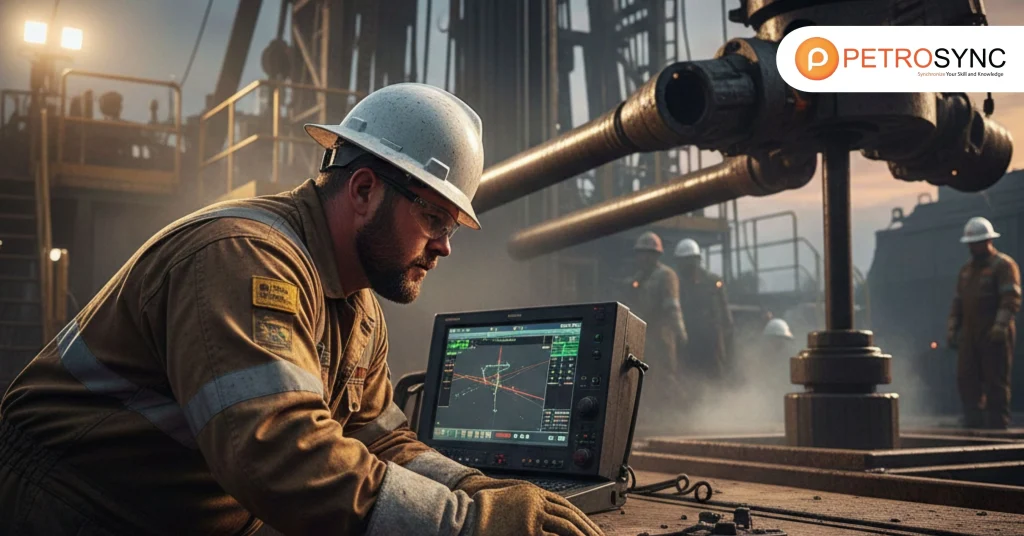
Stuck Pipe Prevention Training is a structured professional development program designed to strengthen a drilling team’s ability to proactively identify, assess, and mitigate conditions that lead to drill string sticking.
Rather than focusing on recovery techniques after an incident has already occurred, this training emphasizes early risk recognition and disciplined operational practices that reduce the probability of pipe sticking from the outset.
The training develops a comprehensive understanding of both mechanical and differential sticking mechanisms. It explains how drilling parameters, formation behavior, wellbore geometry, and drilling fluid properties interact during daily operations. Participants learn how routine operational decisions – such as circulation practices, tripping behavior, and mud program management – directly influence stuck pipe risk.
More importantly, the training bridges technical knowledge with operational behavior. By incorporating real operational scenarios and lessons derived from past industry experience, Stuck Pipe Prevention Training enables drilling professionals to translate theory into practical prevention strategies that can be applied consistently across different drilling environments.
Why Stuck Pipe Prevention Training Matters in Drilling Operations?
From a business perspective, stuck pipe incidents represent one of the most expensive and disruptive risks in drilling operations. Industry experience consistently shows that pipe sticking can account for a significant portion of total non-productive time, especially in wells with complex trajectories, challenging formations, or extended drilling intervals.
The financial consequences extend well beyond the immediate cost of lost rig time. A single stuck pipe event can escalate into prolonged fishing operations, sidetracking, or even partial well abandonment. These outcomes inflate drilling costs, disrupt production schedules, and negatively impact overall project economics.
Indirect consequences – such as increased safety exposure, contractual penalties, and reduced team morale – further compound the impact. Organizations that have implemented structured stuck pipe prevention initiatives supported by targeted training have demonstrated substantial improvements in drilling performance.
In multiple industry cases, focused prevention programs have reduced the frequency and severity of stuck pipe incidents by a significant margin, proving that prevention-driven strategies deliver measurable and sustainable business value.
What is the Stuck Pipe Prevention Training Objective?
The objectives for the course are;
- Learn the preventative actions to avoid stuck pipe Incidents.
- Know the first actions for freeing pipe
- Learn the parameters which affects Hole Cleaning
- Have a better understanding of Wellbore stability
- Have a better understanding of how a drilling jars works
- Review back-off operation and main Fishing operations
- Review main considerations when setting a cementing plug
- Exchange your experience with colleagues regarding Stuck Pipe
- Minimize the occurrence/frequency and cost impact of Stuck Pipe Incidents

What are Stuck Pipe Prevention Training Outlines?
The course starts with defining the term stuck pipe. It provides the participants with the three major mechanisms and the three minor mechanisms of stuck pipe prevention. The participants are then presented with the issues related to hole stability, wellbore geometry, hole cleaning and wellbore pressure management to understand the major causes of stuck pipe.
On day three we look at the wellsite management issues, the roles and responsibilities and how to recognize and interpret the signs of stuck pipe. First responses are presented together with the placement of the jars. The last day of the course addressed free point determination, fishing tools and challenges and the course is wrapped up with information on sidetracking of the well.
1. DAY 1
- Welcome and Introductions
- References
- Definition of stuck pipe
- Stuck pipe statistics
- Major Stuck pipe mechanisms
– Pathway Causes
– Mechanical Causes
– Geological Causes - Prevention and Monitoring
– Stuck pipe warning signs
– Solids and Hole cleaning
– Torque and Drag
– Wellbore stabilityStuck pipe steel mechanics - Stuck pipe steel mechanics
- Day 1: Exercises/Case Studies
2. DAY 2
- Drilling parameters
- Tension and torque limitation
- Recommended practices
- Well Engineering analysis
- Rig Sizing
- Connection practices
- Tripping and Back reaming
- Differential Sticking
- Jar Placement
- Day 2: Exercises/Case Studies
3. DAY 3
- Roles and Responsibilities
- First Responses
- Free point and Back-off
- Fishing Tools
- Fishing Techniques and Economics
- Cement Plugs and Sidetracking
- Day 3: Exercises/Case Studies
Who Should Attend Stuck Pipe Prevention Training?
This course is intended for the disciplines listed below, as well as anyone with a specific interest in the topic:
- Wellsite Drilling staff
- Wellsite Service Provider staff such as directional drillers and MWD staff
- Drilling Engineer and Completion Engineers
- Drilling Contractor supervisory personnel
- Other relevant technical and operational staff
How Stuck Pipe Prevention Training Elevates Drilling Team Performance
Organizations that invest in structured prevention training consistently report measurable improvements in drilling performance. Operational experience shows that teams with strong prevention competencies significantly reduce stuck pipe-related non-productive time, often cutting previous incident rates by a substantial margin.
Beyond quantitative improvements, the training delivers broader performance benefits:
- Greater operational confidence among drilling teams
- Improved consistency in execution across shifts and crews
- Enhanced safety performance through proactive risk control
- Stronger collaboration between field and office personnel
From a business standpoint, these improvements translate into better schedule predictability, improved capital efficiency, and reduced operational volatility. For senior leadership, prevention training becomes a strategic lever for stabilizing drilling outcomes and protecting long-term asset value.
Take Your Drilling Skills to the Next Level with PetroSync Stuck Pipe Prevention Training
For organizations aiming to achieve consistent, zero-failure drilling performance, PetroSync’s Stuck Pipe Prevention Training offers a practical and results-driven solution. Designed for experienced professionals and decision-makers, the program integrates proven industry practices with real-world operational insights.
Through this training, participants gain:
- Advanced capabilities to anticipate and mitigate stuck pipe risks
- Practical frameworks for preventive planning and disciplined execution
- Leadership tools to strengthen team coordination and accountability
By investing in PetroSync’s Stuck Pipe Prevention Training, companies move beyond reactive problem-solving toward structured prevention. The result is reduced non-productive time, improved drilling efficiency, and a more resilient drilling organization capable of delivering predictable results in increasingly complex operating environments.
In drilling, prevention is not an option — it is a competitive advantage. PetroSync helps you build it.
Frequently Asked Questions (FAQ)
Stuck Pipe Prevention Training is a structured program that helps drilling teams proactively identify, assess, and mitigate conditions that can lead to drill string sticking.
Stuck pipe incidents cause significant non-productive time, increase drilling costs, disrupt schedules, and can escalate into fishing, sidetracking, or well abandonment.
The training covers stuck pipe mechanisms, hole cleaning, wellbore stability, drilling parameters, first responses, jar placement, fishing operations, and sidetracking considerations.
The course is designed for wellsite drilling staff, service providers, drilling and completion engineers, contractor supervisors, and other relevant technical personnel.
The training reduces stuck pipe frequency, lowers non-productive time, improves safety, strengthens team coordination, and delivers more predictable and cost-efficient drilling outcomes.

Results-oriented and thorough SEO specialist with extensive experience in conducting keyword research, developing and implementing digital website promotion strategies and plans, managing campaigns to develop company websites in the digital world, excellent knowledge of marketing techniques and principles, and attentive strong attention to detail.