Drilling and Well Engineering is more than a technical discipline – it is the backbone of upstream oil and gas operations. Every successful well, whether onshore or offshore, begins with meticulous engineering design, precise execution, and disciplined operational control. For…

API Course programs have become an essential foundation for developing industry-ready technical skills in today’s oil and gas sector. As assets continue to age, operating conditions grow more demanding, and regulatory expectations intensify, organizations face a critical challenge: ensuring their…
ASME B31.3 is a critical standard in the oil and gas industry, providing a comprehensive framework for the design, construction, and maintenance of process piping systems. Ensuring the integrity of piping systems is essential for operational safety, efficiency, and regulatory…
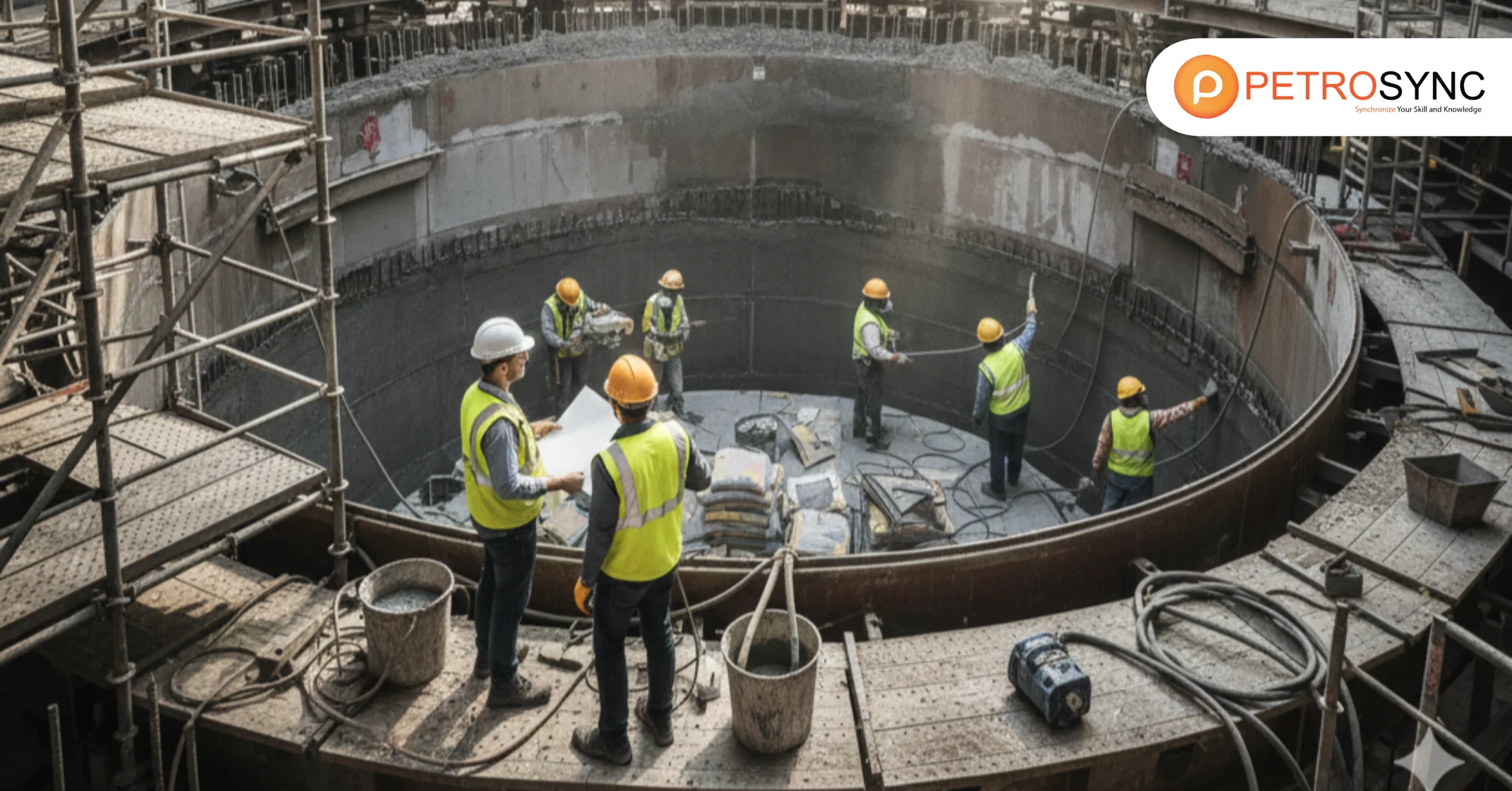
API 936 plays a critical role in ensuring refractory quality for high-temperature industrial equipment used in oil refineries, petrochemical plant, LNG facilities, and power generation units. In these demanding environments, refractory systems serve as the primary barrier protecting vessels, heaters,…
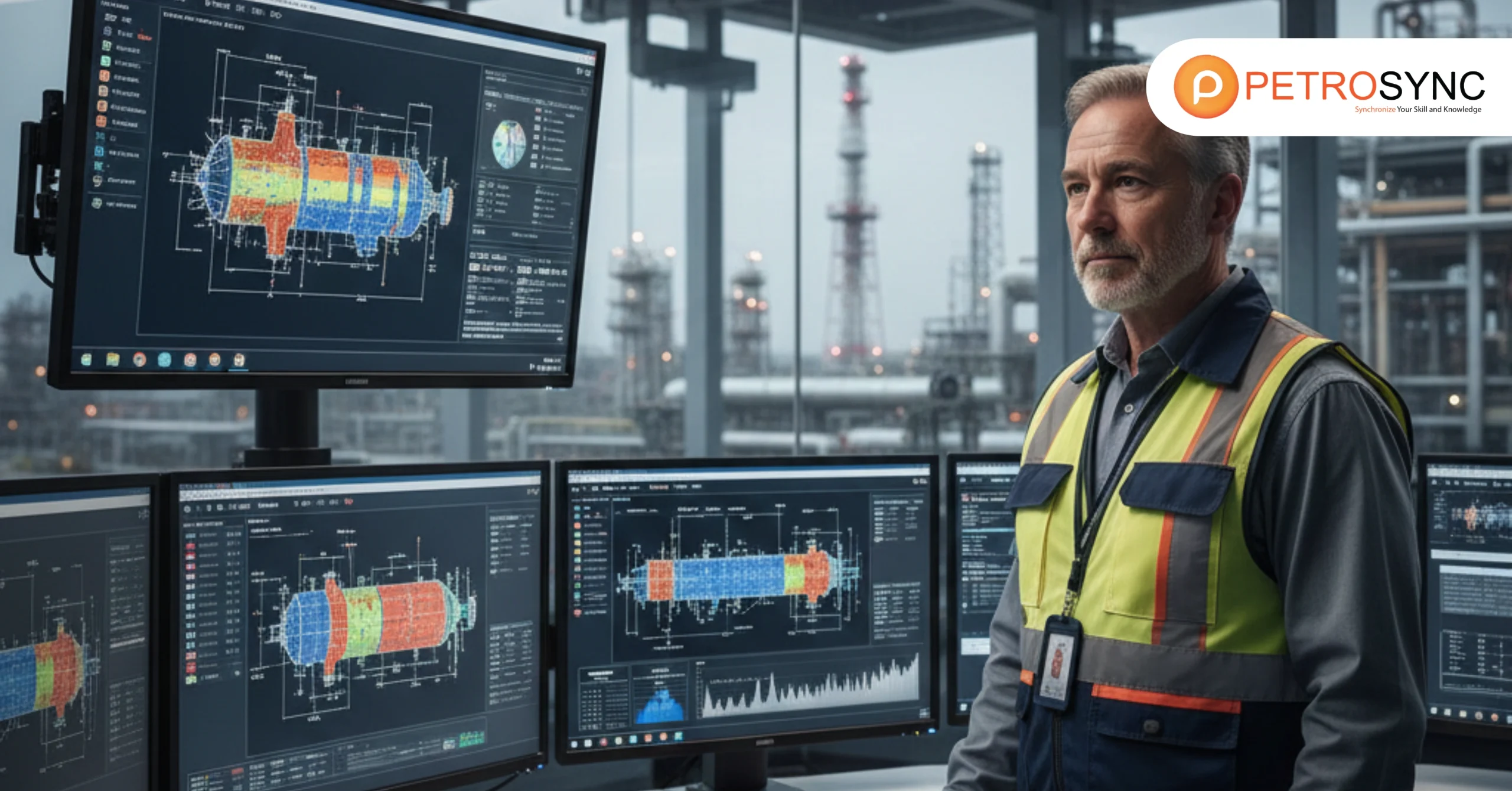
In the oil and gas industry, ensuring the safe and reliable operation of equipment is critical. Equipment can degrade due to various factors such as corrosion, cracking, and other damage mechanisms. Fitness-For-Service (FFS) is a crucial approach used to evaluate…
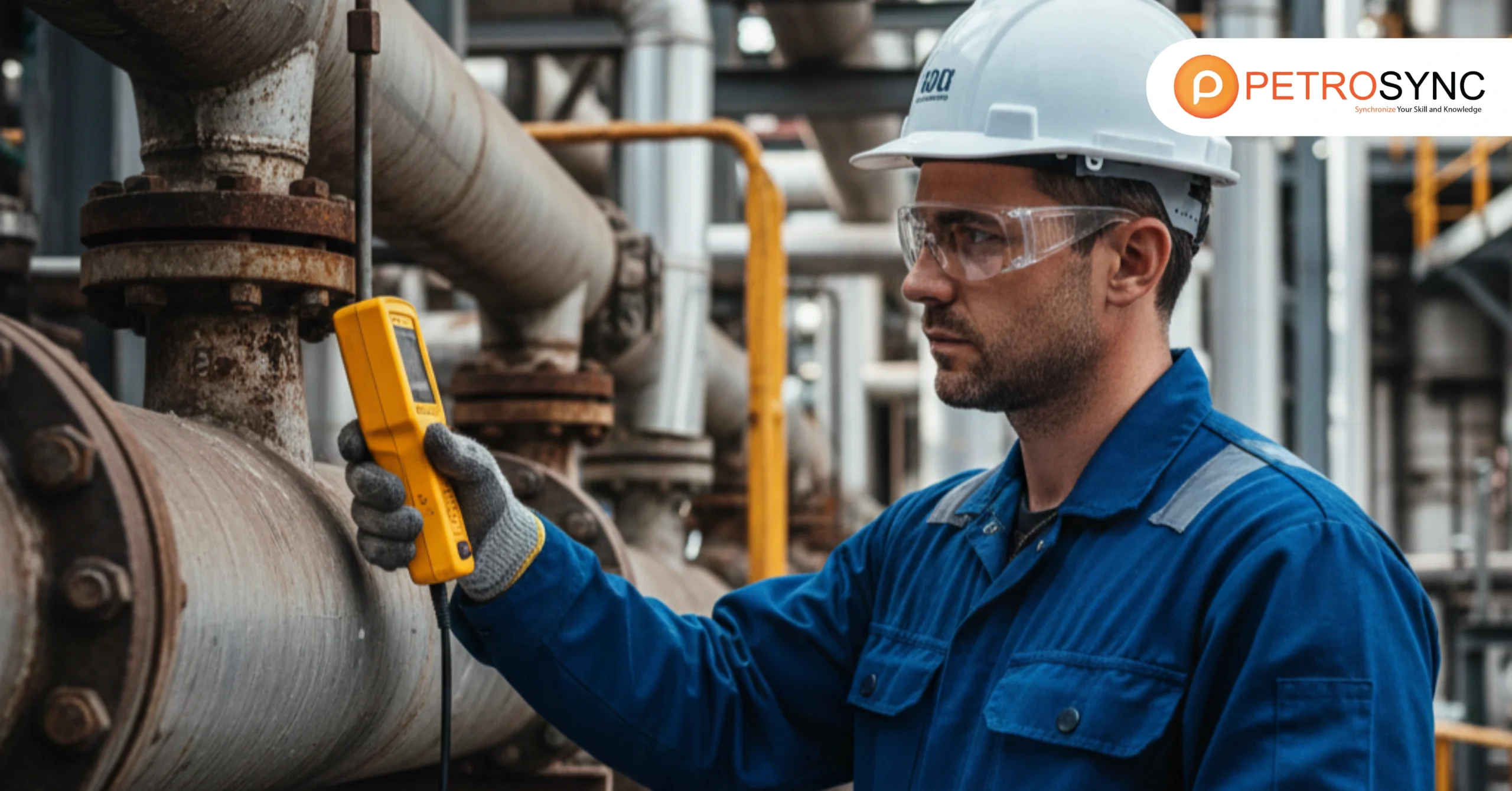
API 570 is the definitive standard for maintaining the integrity of in-service piping systems in oil, gas, and chemical facilities. Ensuring piping safety is not merely a technical requirement — it is a strategic investment in operational reliability, regulatory compliance,…
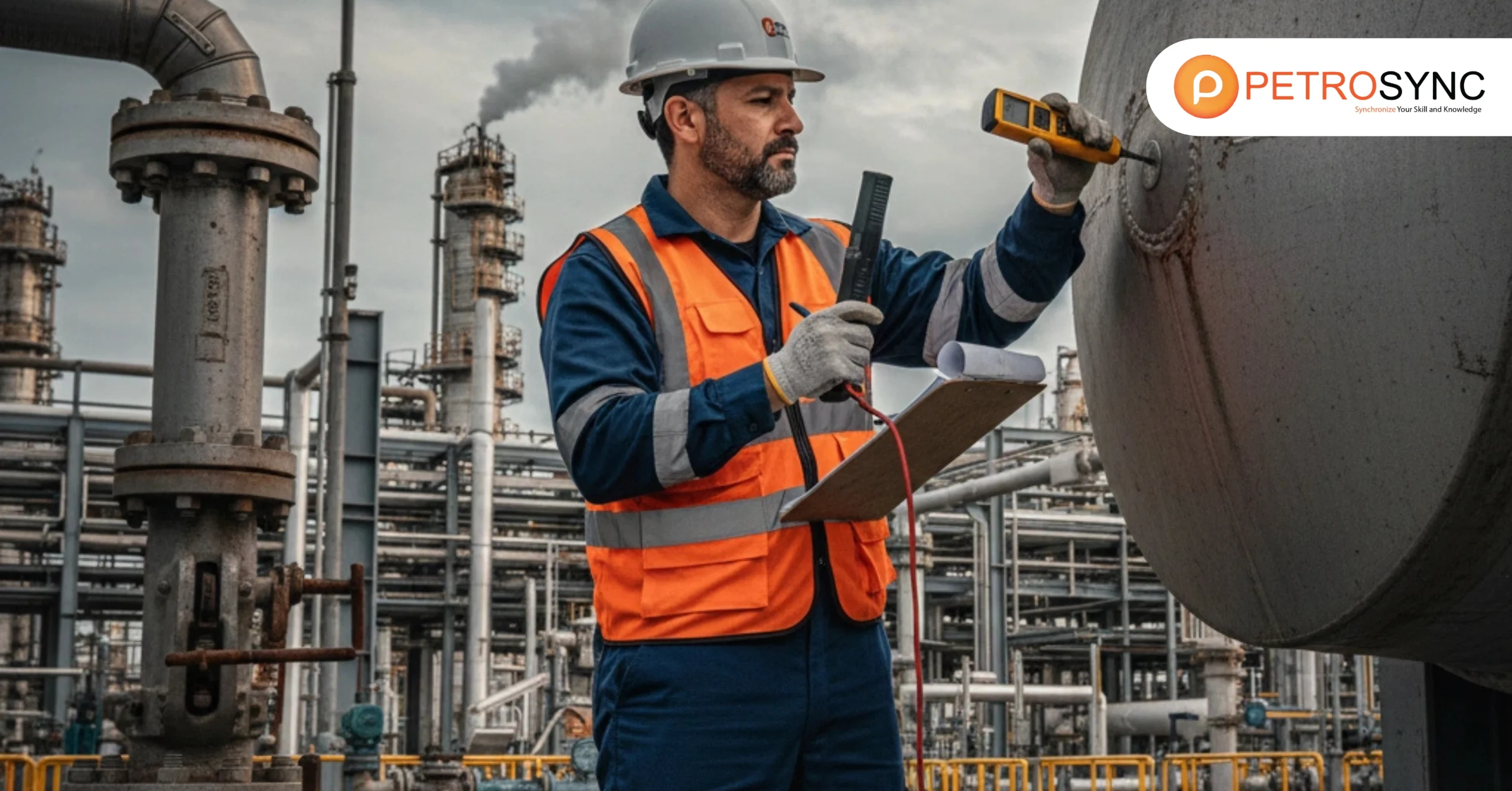
API 510 is widely recognized as the global benchmark for pressure vessel safety in high-risk industries such as oil and gas, petrochemical processing, and power generation. The standard plays a critical role in ensuring that pressure vessel—equipment designed to operate…