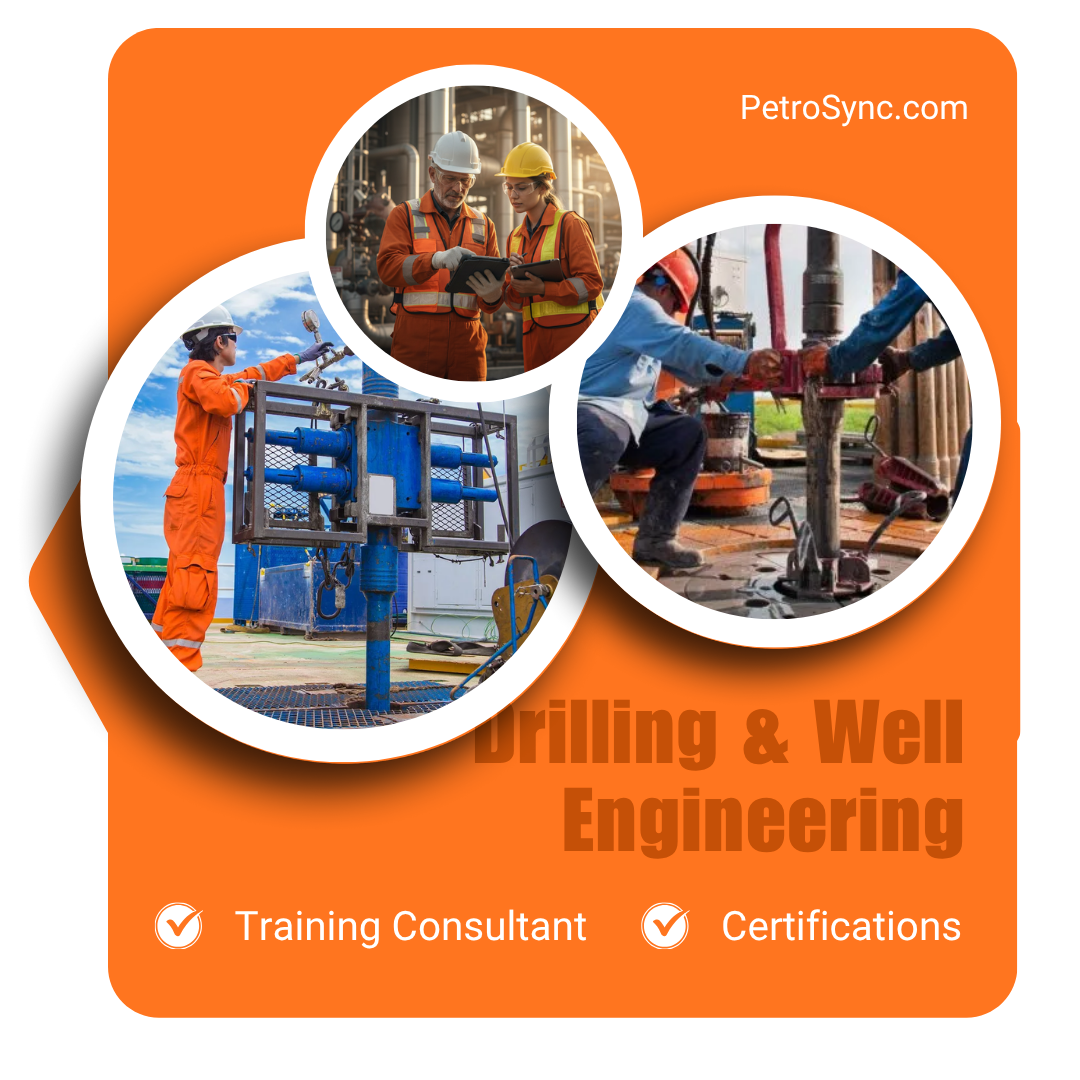


- Drilling and well engineering is the discipline that turns subsurface reserves into safe, reliable, revenue-generating wells.
- Strong well design boosts reservoir contact, improves flow, and delivers higher recovery without drilling more wells.
- Poor planning drives cost overruns; disciplined execution cuts downtime, reduces risk, and improves delivery predictability.
- Well integrity safeguards assets; strong barriers and pressure control prevent failures and expensive remediation.
- Skilled teams make the difference—practical experience enables faster decisions, safer operations, and more consistent results.
Every drilling campaign carries the same question: will this well create value—or become an expensive lesson?
In upstream oil and gas, one delayed well can impact production targets, cash flow timing, contractor efficiency, and executive confidence. One poorly engineered well can trigger cost overruns, non-productive time, integrity exposure, and lost opportunity.
That is why leading operators treat drilling and well engineering as a business-critical discipline, not just a technical function. Strong engineering decisions help companies drill faster, control risk, protect assets, and deliver profitable wells with greater consistency.
For senior leaders, managers, and decision-makers, improving drilling performance is no longer optional. It is a direct lever for growth, operational resilience, and competitive advantage.
What is Drilling and Well Engineering?
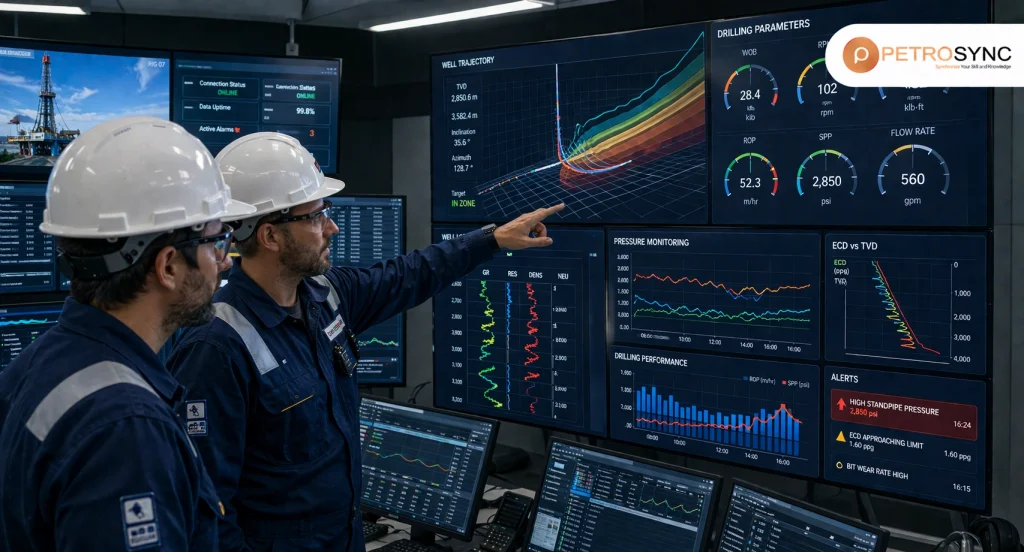
Drilling and well engineering is the discipline responsible for planning, designing, executing, completing, and sustaining oil and gas wells safely and efficiently.
It combines geology, reservoir behavior, mechanical systems, drilling mechanics, pressure control, well integrity, and production readiness into one coordinated process.
Its purpose is clear: deliver wells that reach target zones, remain structurally sound, and generate long-term production value.
Core responsibilities usually include:
- Well trajectory design
- Casing and cement programs
- Drilling fluid optimization
- Pressure and barrier management
- Rig execution planning
- Completion systems design
- Well intervention strategy
- Safety and compliance assurance
When done well, it turns subsurface reserves into reliable revenue-producing assets.
Why Drilling and Well Engineering Is Critical to Safe and Efficient Operations
1. Maximize Hydrocarbon Extraction Efficiency
The quality of well placement directly affects production performance. Better trajectory planning increases reservoir contact, improves flow potential, and supports stronger recovery rates.
Top-performing operators understand that smarter wells often outperform simply drilling more wells.
2. Ensure Well Integrity and Reservoir Access
A producing well must remain secure through every phase of its lifecycle. Strong barriers, reliable casing design, proper cement placement, and pressure control help preserve safe access to the reservoir.
Well integrity failures can create major financial and operational consequences. Prevention is always cheaper than remediation.
3. Reduce Operational Risk and Cost
Stuck pipe, kicks, lost circulation, tool failure, and rework can rapidly inflate drilling costs. Companies that improve planning discipline and execution readiness often reduce downtime significantly while improving delivery predictability.
4. Drive Success in Upstream Oil and Gas Projects
Drilling schedules often determine first oil, first gas, and expansion milestones. When wells are delivered on time and on budget, the entire project performs better.
How Drilling and Well Engineering Works in Real Operations
1. Well Planning and Engineering Design
Strong wells begin long before the rig arrives. Engineering teams assess subsurface targets, offset data, pressure windows, drilling hazards, logistics, and commercial goals before building the drilling plan.
This stage defines:
- Well path
- Hole section design
- Casing scheme
- Mud program
- Bit and BHA selection
- Hydraulics model
- Risk controls
- Contingency procedures
Better planning usually means fewer surprises in the field.
2. Drilling Execution and Rig Operations
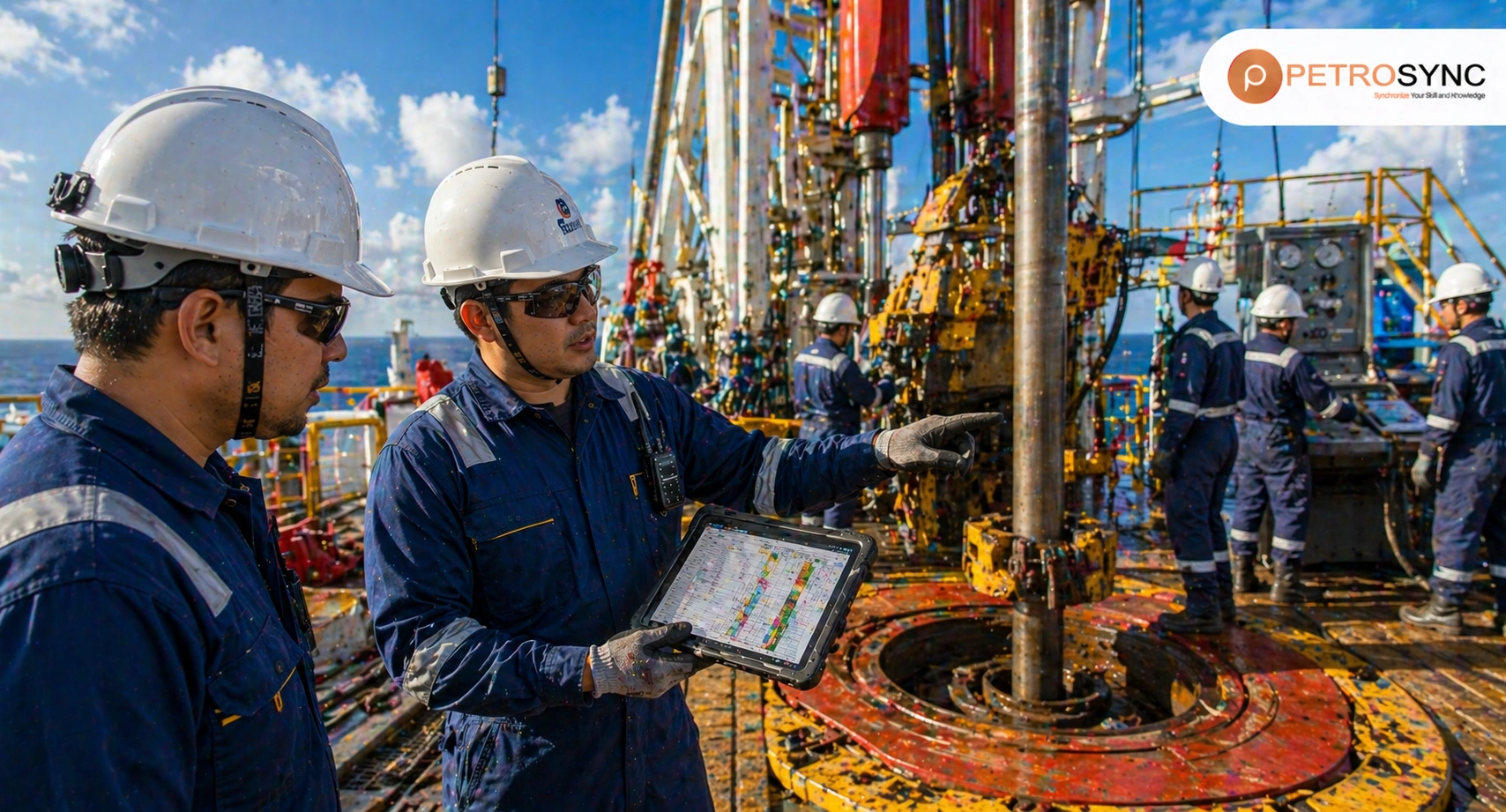
Once drilling starts, performance must be managed in real time. Teams monitor penetration rate, torque, drag, pressure trends, vibration, and cuttings returns to optimize decisions while drilling. The best operations solve problems early before they become expensive events.
3. Well Completion and Testing Processes
After total depth, the well moves into completion. This phase may include tubing installation, packers, perforation, stimulation systems, flow controls, and production testing. The objective is simple: prepare the well for safe and profitable production.
4. Production and Well Intervention Activities
Engineering value continues after first production. Many wells require cleanouts, lift optimization, recompletion, integrity repair, or performance enhancement later in life. Lifecycle management protects returns long after drilling ends.
Best Practices to Improve Drilling Performance and Prevent Costly Failures
1. Optimize Well Design and Trajectory Planning
Poor well paths increase torque, drag, casing difficulty, and drilling time. Use advanced modeling, anti-collision analysis, and offset well learning to design efficient trajectories before execution begins.
2. Manage Drilling Fluids (Mud) for Stability and Efficiency
Mud performance influences hole stability, pressure control, lubrication, and cuttings transport. Continuous fluid optimization helps prevent stuck pipe, losses, and inefficient drilling.
3. Implement Effective Well Control and Blowout Prevention
Well control readiness must never be treated as routine. Regular drills, barrier verification, kick detection discipline, and reliable prevention systems reduce severe operational risk. Strong culture matters as much as strong equipment.
4. Ensure Casing and Cementing Integrity
Weak barriers often become expensive future failures. Proper design, centralization, cement placement, and verification help avoid sustained integrity problems, remedial costs, and production disruption.
The Real Challenges in Drilling and Well Engineering
1. Formation Instability and Unpredictable Drilling Hazards
Reactive shale, fractured formations, faults, losses, and narrow pressure windows can change conditions quickly. Prepared teams respond faster and lose less time.
2. Equipment Failure Leading to Costly Downtime
Top drives, mud pumps, directional tools, and downhole components can fail without warning. Reliability programs and maintenance discipline reduce these avoidable setbacks.
3. High-Pressure High-Temperature (HPHT) Conditions
HPHT wells demand tighter engineering tolerances, stronger materials, and experienced leadership. In these environments, small mistakes can become major incidents.
4. Balancing Cost Control with Operational Efficiency
Many companies cut the wrong costs. Reducing critical engineering support may save budget early, but often creates bigger losses later through delays, sidetracks, and corrective work. Smart operators optimize total well value.
Are You Fully Prepared to Handle High-Risk Drilling Operations?
1. Technical Knowledge Alone Is Not Enough in the Field
Textbook understanding helps, but real operations demand judgment, leadership, communication, and rapid decision-making. Field pressure exposes capability gaps quickly.
2. Missteps Can Lead to Serious Safety and Financial Risks
One poor decision on pressure response, barrier status, or operational change can cost millions and damage trust. Risk grows fast when teams are underprepared.
3. Real-World Experience Is Critical in Complex Environments
The most valuable drilling leaders combine technical depth with practical field experience. That combination creates confidence when stakes are highest.
Master Drilling and Well Engineering with Practical, Industry-Focused Training
1. Build Strong Expertise in Well Design and Drilling Operations
Develop stronger capability in planning, drilling mechanics, execution control, and well performance improvement. Equip your team to deliver with greater consistency.
2. Learn Real-World Applications and Industry Best Practices
Gain practical insight from real field scenarios, not theory alone. Learn how experienced professionals solve drilling challenges under live operating conditions.
3. Gain Skills to Improve Safety, Efficiency, and Performance
Better-trained teams often achieve:
- Lower avoidable downtime
- Faster decision cycles
- Stronger safety culture
- Better cost control
- More predictable well outcomes
Become a High-Value Drilling Engineer in High-Stakes Projects
1. Increase Your Impact in Upstream Oil and Gas Operations
Professionals who improve drilling performance quickly become high-value contributors. They influence results that matter to management.
2. Strengthen Technical and Operational Capabilities
Build stronger skills in planning, risk management, execution discipline, and performance optimization. These capabilities remain valuable across every asset portfolio.
3. Learn from Industry Experts with Real Field Experience
Learning from professionals who have managed real drilling campaigns shortens learning curves dramatically. Experience transfer creates faster operational maturity.
Secure Your Spot in PetroSync’s Drilling and Well Engineering Training Before the Next Intake Closes
If your organization is preparing for more complex wells, tighter margins, or higher performance expectations, capability development should start now. PetroSync offers practical Drilling and Well Engineering Training designed for managers, engineers, and leaders who need immediately applicable knowledge.
Participants gain proven frameworks, operational insight, and real-world lessons that can improve safety, execution quality, and drilling performance. Seats are limited for each intake. Secure your place before enrollment closes
Frequently Asked Questions (FAQ)
Drilling and well engineering is the discipline that plans, designs, executes, and maintains oil and gas wells to ensure safe operations and long-term production value.
It improves production efficiency, ensures well integrity, reduces operational risks, and helps projects stay on schedule and within budget.
Poor performance can lead to cost overruns, downtime, safety risks, delayed production, and reduced overall project profitability.
Common challenges include formation instability, equipment failure, high-pressure high-temperature conditions, and balancing cost control with operational efficiency.
Teams can improve results by optimizing well design, managing drilling fluids effectively, strengthening well control practices, and ensuring strong casing and cementing integrity.

Results-oriented and thorough SEO specialist with extensive experience in conducting keyword research, developing and implementing digital website promotion strategies and plans, managing campaigns to develop company websites in the digital world, excellent knowledge of marketing techniques and principles, and attentive strong attention to detail.