

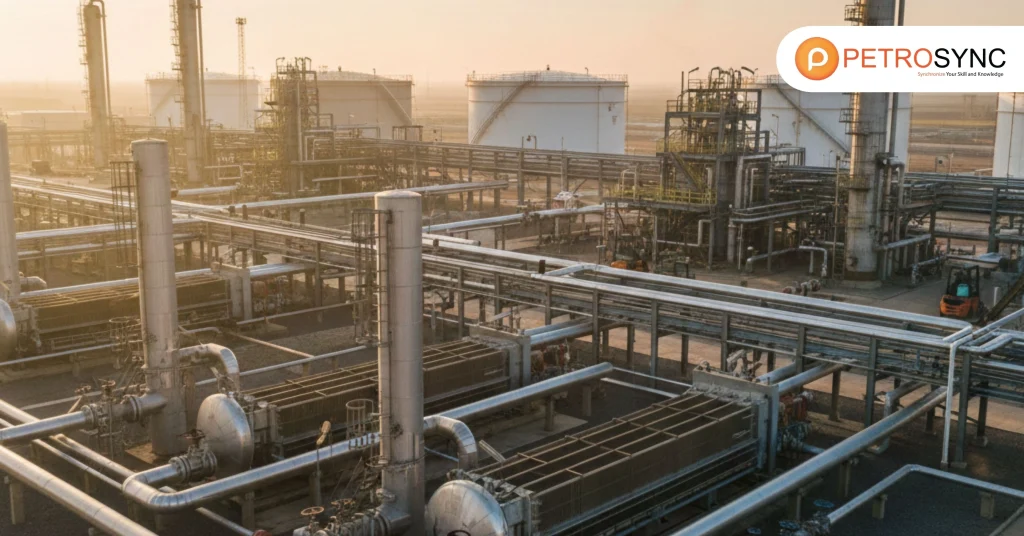
Static equipment plays a critical role in ensuring safe and reliable operations across the oil and gas industry. As production demands increase and operational environments become more complex, maintaining static equipment reliability is no longer simply a maintenance priority — it is a strategic business requirement.
The performance and integrity of pressure vessel, tanks, piping systems, heat exchanger, and other critical fixed assets directly determine safety, efficiency, and operational continuity. In an industry where daily operations involve extreme pressure, temperature fluctuations, and hazardous materials.
Static equipment safety becomes a defining factor in preventing failures that could lead to leaks, fire hazards, explosions, costly downtime, and reputational damage. Studies in global process safety research highlight that mechanical equipment failure remains a primary contributor to high-risk industrial incidents, reinforcing the urgency for reliable inspection and integrity management strategies.
Yet many facilities still encounter significant challenges: aging assets operating beyond original design life, limited visibility into internal deterioration, inconsistent maintenance strategies, and capability gaps within technical teams. These challenges threaten safety performance and increase operational risks.
To build safer and smarter operations, companies must adopt a more proactive and technology-driven approach to static equipment reliability. Before diving into practical solutions and future developments, let us align on the fundamentals.
What Is Static Equipment?
Static equipment refers to machinery or devices that stay in one place, do not have moving parts like pumps or compressors, and do not move during normal operation. These are usually used in industries like manufacturing, oil and gas, and power generation.
Examples of static equipment include tanks, pressure vessels, heat exchangers, and pipes. They are designed to handle specific tasks like storing liquids, containing high-pressure gasses, or transferring heat between fluids. Static equipment plays a crucial role in various industrial processes by providing necessary infrastructure for production and operations.
How Many Types of Static Equipment Are There?
There are several types of static equipment used in various industries. Some common types include tanks, pressure vessels, heat exchangers, columns, and piping systems. These static equipment types serve different purposes such as storing liquids, handling high-pressure gasses, and transferring heat between fluids.
1. Heat Exchangers
A heat exchanger transfers heat between a source and a working fluid without allowing them to mix. This means that heat can move between the two fluids without any physical contact between them.
Engineers consider heat exchangers part of static equipment because they are designed to stay in one place and operate without moving parts. These stationary units serve various industries—such as power plants, chemical processing, and HVAC—by controlling temperatures and efficiently transferring heat between fluids like water, air, or gases. Their stationary nature and specialized design make them an essential component of static equipment used in industrial processes.
2. Pressure Vessels
Engineers design pressure vessels to contain gases or liquids at pressures significantly different from ambient levels, ensuring they can safely withstand high pressure without leaking or rupturing.
Pressure vessels are considered part of static equipment because they do not have moving parts during normal operation. Unlike dynamic equipment like pumps or compressors, pressure vessels remain stationary while performing their function of containing pressurized substances. They are vital in various industries for storing and transporting gasses or liquids under pressure, such as in chemical processing plants, oil refineries, and power generation facilities.
3. Distillation Column
A column is a tall, vertical structure typically used in industrial processes, produced for the chemical and petrochemical industry, for refineries, and for the gas and food industry. It works by allowing different components of a mixture to rise or fall based on their properties like density or volatility.
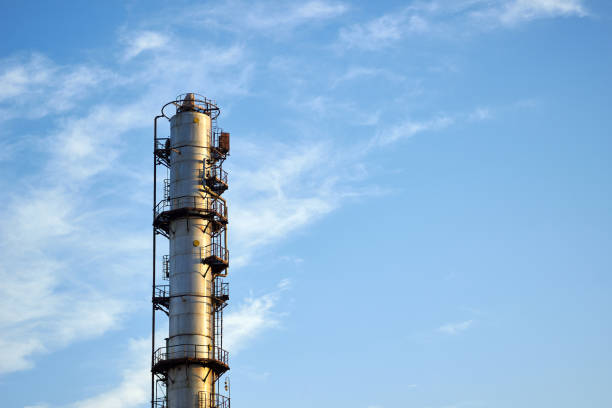
Columns are considered part of static equipment because they do not have moving parts during regular operation. Unlike pumps or compressors that actively move fluids, columns rely on natural forces like gravity and phase separation to perform their function. They are stationary components that play a vital role in various industries such as oil refining, chemical processing, and wastewater treatment, aiding in the separation and purification of substances for production purposes.
4. Atmospheric Storage Tank
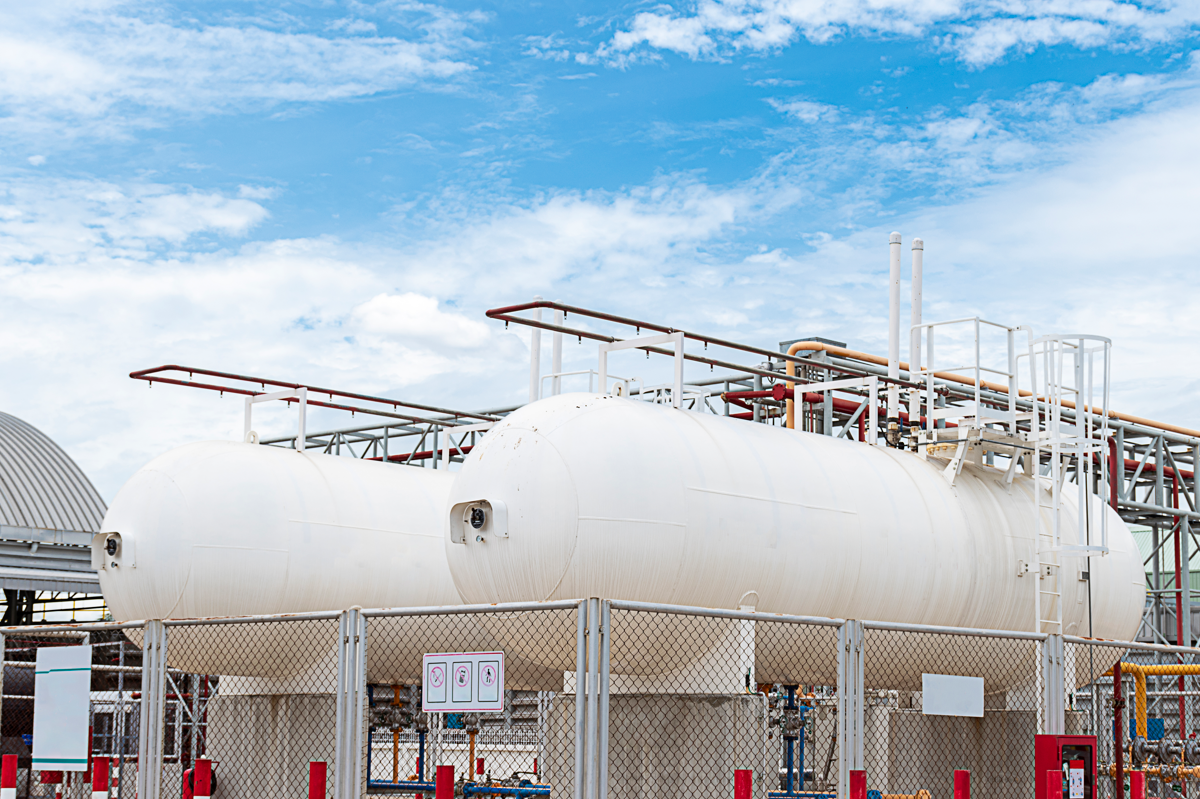
An atmospheric storage tank is a type of container that stores products at the same pressure as the atmosphere at the location of the tank, and it is used to store liquids or gasses at atmospheric pressure, which means it is not pressurized. These tanks are commonly used in industries like oil and gas, chemical processing, and water treatment.
Atmospheric storage tanks are considered part of static equipment because they remain stationary and do not have moving parts during their normal operation. They are designed to store materials like crude oil, water, chemicals, or natural gas without needing additional pressure to keep the contents inside. This distinguishes them from pressurized vessels like boilers or high-pressure cylinders, which require pressure to contain their contents safely.
Because atmospheric storage tanks do not rely on pressurization, they are simpler in design and typically easier to maintain compared to pressurized equipment. They are an essential part of static equipment used in various industries for storing and handling liquids or gasses under normal atmospheric conditions.
5. Aboveground Storage Tank
An aboveground storage tank stores liquids such as oil, chemicals, or water above ground level. Manufacturers typically build these tanks from steel and install them in a fixed position within a facility or outdoor area. Unlike underground tanks, which sit buried beneath the ground, aboveground tanks remain fully visible on the surface.
Aboveground storage tanks serve as static equipment because engineers design them to remain stationary and hold substances without requiring constant movement or agitation. This static function sets them apart from dynamic equipment like pumps or compressors, which move fluids or gases.
6. Air cooled exchangers
Air heat exchangers remain securely installed in industrial facilities and perform heat exchange without relying on mechanical movement. Their static design enables them to deliver continuous cooling or heat exchange without involving complex dynamic components.
Air heat exchangers remain securely installed in industrial facilities and perform heat exchange without relying on mechanical movement. Their static design enables them to deliver continuous cooling or heat exchange without involving complex dynamic components.
7. Boilers
Power boilers generate steam or hot water for various industrial processes or heating purposes. They take the chemical energy stored in fuel, convert it into heat during combustion, and transfer that heat to water to produce steam. Industries such as power plants and manufacturing facilities typically use power boilers when they require a significant amount of steam or hot water.
Unlike pumps or compressors that are part of dynamic equipment and involve mechanical motion, power boilers rely on the static containment of pressurized fluids (such as water or steam) to generate energy. They are stationary devices that are integral to the production of steam or hot water, playing a key role in providing thermal energy for industrial processes and heating systems.
8. Filters
Filters in static equipment are devices used to remove impurities or contaminants from fluids flowing through the equipment. These impurities can include solid particles, debris, or other substances that may affect the performance or integrity of the equipment. Filters help to ensure that the fluid remains clean and free from harmful substances, thus maintaining the efficiency and reliability of the static equipment.
9. Fired heaters
Fired heaters serve as a primary source of thermal energy for process heating operations in petroleum refining and chemical plants. Industries like oil and gas use these devices to generate heat by burning fuels such as natural gas or oil. Operators use fired heaters to heat fluids or gases in processes such as refining, petrochemical production, and power generation. Engineers classify fired heaters as static equipment because, unlike rotating machinery like pumps or compressors, fired heaters remain stationary during operation.
10. Furnace
A furnace generates heat for all or part of a building, and people commonly install it in homes and industries to provide warmth and heat for various applications. Furnaces burn fuel such as gas, oil, or coal to produce heat, and they distribute that heat throughout a building or apply it to specific processes like melting metals or drying materials.
We consider a furnace part of static equipment because it typically stays in one place and has no moving parts during normal operation.Unlike machinery like pumps or compressors that involve mechanical motion, furnaces are stationary and designed to provide consistent heat output without the need for continuous movement. This static nature makes furnaces fall into the category of static equipment used in industrial and residential heating systems.
11. Pig receiver
A pig receiver functions as specialized equipment in pipeline systems that receives and collects cleaning devices known as pigs. It catches the pig after the device travels through the pipeline. Operators use these pigs to maintain and clean the inside of the pipeline. Engineers design the pig receiver to safely and efficiently capture the pig during maintenance operations.
12. Piping
A piping system, which is a network of pipes, fittings, and valves intended to perform a specific job i.e. to transport fluids or gasses within a facility or industrial plant. These pipes connect to create a system that carries materials like water, chemicals, oil, steam, or air from one place to another.
Piping systems play a crucial role in various industrial activities such as refineries, petrochemical plants, and power plants. Refineries use piping systems to transport crude oil, refined products, and various chemicals throughout the facility, enabling refining processes such as distillation, cracking, and blending. In petrochemical plants, these systems facilitate the movement of raw materials, intermediates, and final products like plastics, solvents, and fuels.
Moreover, in power plants, piping systems are essential for circulating water, steam, and other fluids required for electricity generation, cooling systems, and steam turbines. These systems also include safety features such as valves, pressure gauges, and control systems to ensure efficient and safe operation.
13. Valves
A valve is a device or natural object that regulates, directs, or controls the flow of a fluid (gasses, liquids, fluidized solids, or slurries) by opening, closing, or partially obstructing passages within a system. It works like a door that opens or closes to regulate the flow of liquids or gases through pipes or channels.
Valves play a crucial role in the oil and gas industry by regulating the flow of fluids and gasses throughout the production, refining, and distribution processes. Various industries use them to control the flow of crude oil, natural gas, and refined products such as gasoline and diesel.

What Is The Difference between Static and Rotating Equipment?
The main difference between static and rotating equipment lies in their functionality and movement during operation. Static equipment, which is without moving parts, is comparatively more reliable, such as tanks, pressure vessels, heat exchangers, and pipes.
On the other hand, rotating equipment includes machinery that has moving parts and rotates during operation, such as pumps, compressors, turbines, and motors. Engineers design rotating equipment to convert energy and move fluids or gases, while static equipment supports the storage, containment, or transfer of substances without using moving parts. Both types of equipment serve distinct purposes in industrial processes and are essential for various applications in different industries.
What Are Some FAQs About Static Equipment?
1. Is Valve A Static Equipment?
Yes, we consider a valve as static equipment because it typically remains stationary and lacks moving parts like pumps or compressors. A system fixes valves in place and uses them to regulate, control, or stop the flow of fluids or gases by opening, closing, or partially obstructing passages. Pipelines, industrial processes, and various flow control systems rely on valves as essential components to manage fluid or gas movement.
2. Is A Separator Static Equipment?
Yes, we consider a separator as static equipment because it stays in one place and does not use moving parts during normal operation. Various industries, such as oil and gas, use separators to separate different components of a mixture, including oil, gas, and water.
They work by utilizing gravity, centrifugal force, or other separation mechanisms to achieve the desired separation of substances. Separators play a crucial role in processing and refining operations by separating and recovering valuable components efficiently.
3. Is A Compressor Static or Rotary?
A compressor is a rotary equipment because it has moving parts that rotate during operation. Compressors are used to increase the pressure of gasses or air by compressing and reducing their volume.
They work by drawing in gas or air and then mechanically compressing it to a higher pressure before releasing it. Rotating components, such as rotors or blades, create the compression action in rotary compressors and distinguish them from static equipment that remains stationary during operation.
4. What Is Static Equipment Engineering?
Static equipment engineering refers to the specialized field of engineering focused on the design, analysis, construction, and maintenance of static equipment used in various industries, including the stationary components used in various processes of oil and gas exploration, production, refining, and transportation.
This discipline involves applying engineering principles to develop equipment such as tanks, pressure vessels, heat exchangers, and pipes that do not have moving parts during normal operation.
Static equipment engineers design these devices to withstand specific pressures, temperatures, and environmental conditions while ensuring they meet safety, regulatory, and performance standards. They also oversee the installation, testing, and ongoing maintenance of static equipment to ensure reliable and efficient operation throughout its service life.
5. What Are The Static Equipment Used in Refinery?
The static equipment used in a refinery includes tanks, pressure vessels, heat exchangers, columns and towers, piping systems, and valves.
In conclusion, static equipment plays a vital role in the oil and gas industry by providing essential infrastructure for storage, containment, and transfer of substances without moving parts. Strict standards govern the design, creation, and inspection of static equipment to ensure safety, reliability, and industry compliance.. Two prominent standards in this regard are the American Petroleum Institute (API) standards and the American Society of Mechanical Engineers (ASME) codes.
Transform Your Career: Join PetroSync Training Now
In addition to the standards set by API and ASME, it is essential for engineers and professionals in the oil and gas industry to have thorough knowledge and expertise in handling static equipment.
PetroSync offers API training and ASME training programs specifically designed to equip you with the necessary skills and understanding to work effectively with static equipment. These training courses cover topics such as design principles, inspection techniques, maintenance practices, and compliance with industry regulations. You can invest in your own professional development through API and ASME training with PetroSync.

Results-oriented and thorough SEO specialist with extensive experience in conducting keyword research, developing and implementing digital website promotion strategies and plans, managing campaigns to develop company websites in the digital world, excellent knowledge of marketing techniques and principles, and attentive strong attention to detail.

Business Development Manager at PetroSync with 12+ years of experience in professional training and business development across the energy and industrial sectors.