


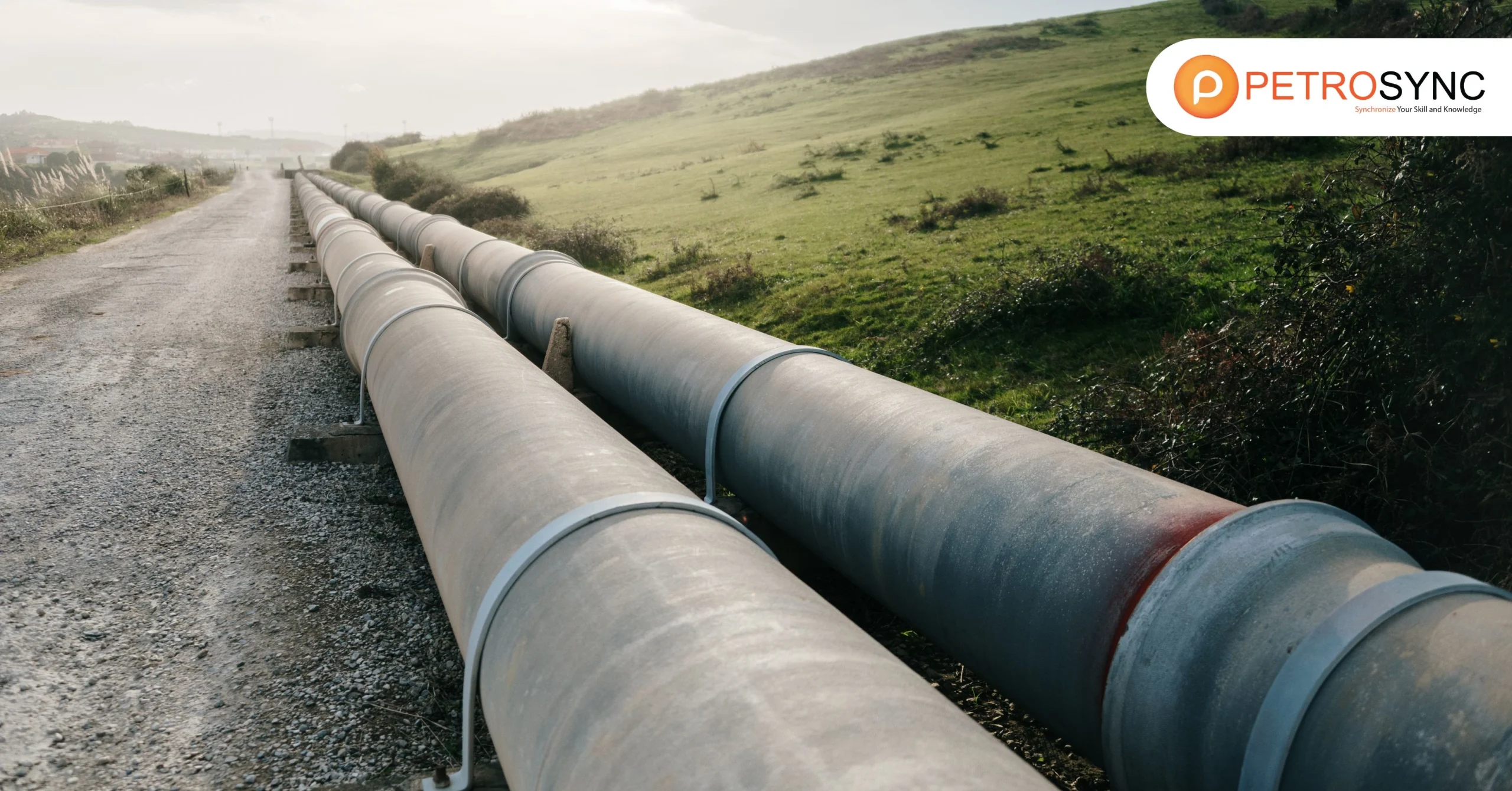
Oil and gas reservoirs are the cornerstone of every successful energy operation. These underground formations are more than just sources of hydrocarbons—they’re strategic assets that determine production performance, long-term value, and return on investment. In a world where energy demand continues to rise and operational margins grow tighter, optimizing reservoir output has never been more critical.
Maximizing recovery from oil and gas reservoirs requires more than traditional methods. It involves a deep understanding of subsurface behavior, precise engineering, and the ability to adapt to technological advancements. From formation characteristics to AI-powered monitoring systems, every element contributes to how much energy can be extracted and how sustainably it can be done.
This article provides a comprehensive look into the key drivers of reservoir performance, the latest innovations in recovery techniques, and practical strategies that senior leaders can apply to unlock full potential.
Understanding Oil and Gas Reservoirs
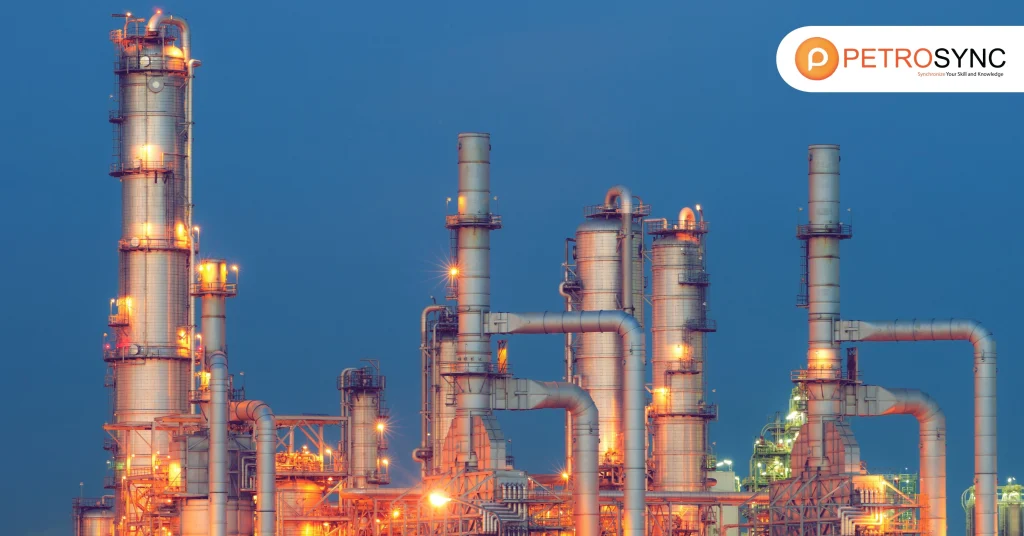
Oil and gas reservoir are not merely underground containers—they are dynamic geological systems shaped over millions of years. These formations consist of porous rocks that trap hydrocarbons within microscopic spaces, creating complex subsurface environments. The way these fluids behave, flow, and respond to extraction techniques significantly determines the volume that can be economically recovered.
Truly understanding an oil and gas reservoir means going beyond raw data. It demands a combination of geological insight and engineering expertise. Each reservoir presents a unique set of challenges—some respond well to natural drive mechanisms, while others require advanced stimulation. Accurate characterization is the foundation for any recovery strategy that aims to maximize both output and sustainability.
Key Factors Affecting Reservoir Performance
1. Reservoir Rock and Fluid Properties
Oil and gas reservoir performance is highly influenced by the characteristics of the rock and the fluid it contains. Rock porosity and permeability determine how easily oil or gas can flow through the formation, while the fluid’s viscosity and phase behavior impact recovery efficiency. Recognizing these variables early enables the selection of appropriate development strategies and technologies.
2. Pressure and Temperature Conditions
Initial reservoir pressure drives hydrocarbon movement, but as production progresses, this pressure declines. Temperature affects viscosity, particularly for heavy oils or gas-condensate reservoirs. Managing these parameters is crucial to sustaining production and improving recovery rates over time.
3. Well Placement and Drilling Strategies
Strategically placing wells in an oil and gas reservoir can make a substantial difference in productivity. Horizontal and multilateral wells increase contact with the pay zone, while accurate geosteering ensures that drilling stays within optimal layers. Modern well design minimizes reservoir damage and maximizes long-term output.
4. Production Techniques and Recovery Methods
Reservoirs typically go through primary, secondary, and tertiary recovery phases. Primary methods alone often recover less than half of the hydrocarbons in place. By implementing techniques such as water flooding, gas injection, or chemical EOR, operators can significantly enhance overall extraction performance.

Advanced Technologies for Maximizing Recovery
1. Enhanced Oil Recovery (EOR) Techniques
EOR methods are key to revitalizing mature oil and gas reservoirs. Techniques such as CO₂ injection, steam flooding, and polymer injection help displace residual oil and increase pressure. These solutions can extend field life by decades and increase recovery efficiency by up to 60%, depending on reservoir conditions.
2. Reservoir Simulation and Modeling
Digital models offer a window into the future behavior of a reservoir. By simulating various development scenarios, operators can optimize well placement, injection strategies, and production plans with high precision. These tools also allow for rapid recalibration as new data becomes available.
3. Real-Time Data Monitoring and AI Integration
Real-time reservoir monitoring tools track variables like pressure, temperature, and flow rate. With AI-powered analytics, teams can identify production anomalies, predict future performance, and implement proactive interventions. This level of insight reduces downtime and improves decision-making accuracy.
4. Integrated Field Development Planning
Planning the lifecycle of an oil and gas reservoir from end to end—combining geological, engineering, economic, and environmental perspectives—ensures alignment across disciplines. An integrated approach prevents costly delays and enhances the value of every investment made in the field.
Challenges and Best Practices in Reservoir Management
1. Managing Reservoir Uncertainty
Uncertainty is inevitable in subsurface operations. Seismic interpretations, pressure behavior, and reservoir boundaries can change as more data is collected. Leaders must build flexibility into their plans and continuously refine models to adapt to evolving insights.
2. Collaboration Across Disciplines
Successful reservoir development is no longer siloed. Engineers, geoscientists, production teams, data analysts, and even financial planners must collaborate. This multidisciplinary approach fosters shared ownership of results and drives more sustainable outcomes.
3. Lifecycle Asset Optimization
Every stage of a reservoir’s life demands a tailored strategy. New assets require rigorous planning and conservative development, while aging fields benefit from redevelopment through EOR or re-completion of wells. Monitoring performance throughout the asset’s life cycle ensures maximum return.
4. Sustainability and Economic Considerations
Modern oil and gas reservoir management must balance production goals with environmental responsibilities. Operators are increasingly expected to minimize water usage, lower emissions, and improve energy efficiency. Sustainable practices not only meet regulatory requirements—they also enhance long-term economic viability.
Advance Your Expertise with PetroSync Training
Oil and gas reservoir performance doesn’t just depend on the tools—it depends on the people making the decisions. At PetroSync, we believe that knowledge-driven leadership is key to unlocking maximum recovery and long-term value.
Our specialized training programs help senior professionals and technical managers deepen their expertise in reservoir engineering, enhanced oil recovery, data-driven field development, and simulation modeling. With globally recognized instructors and real-world case studies, PetroSync empowers you to apply cutting-edge solutions with confidence.
Whether you’re leading a team, managing a mature asset, or planning a new field, PetroSync equips you to make impactful decisions that improve both performance and sustainability. Join thousands of professionals who have elevated their careers and transformed their operations through PetroSync training.

Results-oriented and thorough SEO specialist with extensive experience in conducting keyword research, developing and implementing digital website promotion strategies and plans, managing campaigns to develop company websites in the digital world, excellent knowledge of marketing techniques and principles, and attentive strong attention to detail.

Business Development Manager at PetroSync with 12+ years of experience in professional training and business development across the energy and industrial sectors.