

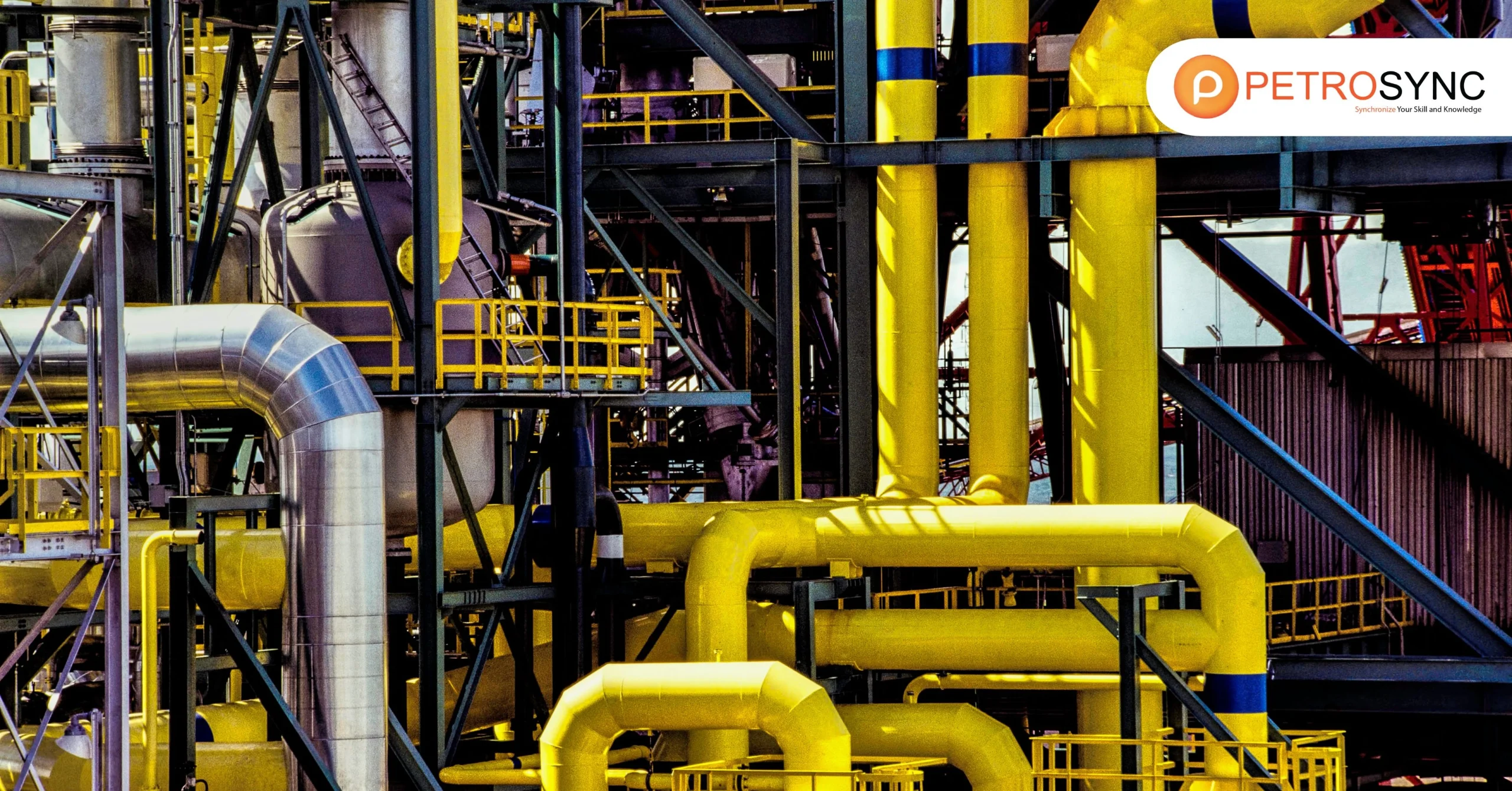
Oil and gas platform play a pivotal role in today’s energy landscape. As critical offshore assets, these platforms are not only central to hydrocarbon production but also serve as command centers for safety, engineering, and performance excellence. From fixed installations in shallow waters to floating structures in ultra-deep seas, oil and gas platforms represent the frontier of offshore innovation.
For professionals entrusted with leading offshore performance — from Installation Managers to Engineering Supervisors — mastering platform dynamics is more than operational necessity; it’s a strategic advantage. This article explores how oil and gas platforms operate, the people who make them work, and why forward-thinking leadership is the key to commanding the offshore edge.
Introduction to Oil and Gas Platforms
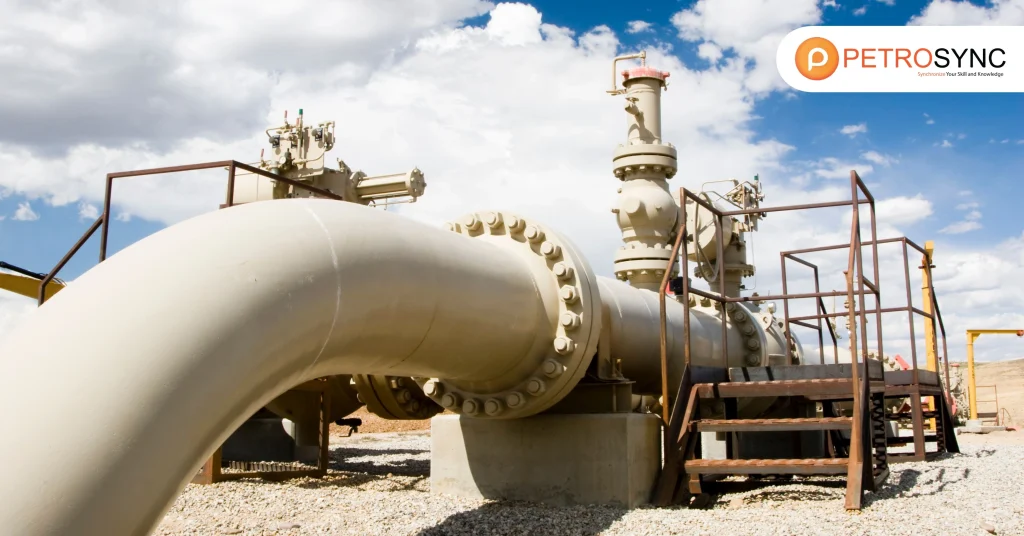
An oil and gas platform is a complex offshore facility engineered to drill, extract, process, and occasionally store hydrocarbons located beneath the seabed. These structures are designed to withstand harsh marine environments while enabling continuous, round-the-clock production. Depending on the water depth and field location, platforms may be fixed, floating, or semi-submersible.
Offshore oil and gas operations contribute a substantial portion of global energy production — and with deeper fields being explored, platforms are becoming more technologically advanced and resource-intensive. Success in such environments depends not just on hardware and systems, but on how effectively people collaborate under pressure, adapt to conditions, and lead with foresight.
Key Roles and Responsibilities on an Oil and Gas Platform
Every offshore platform functions as a highly coordinated ecosystem, where clear roles and seamless teamwork are essential to safety and success.
1. Offshore Installation Manager (OIM)
The OIM holds ultimate authority over all offshore activities. From ensuring production targets are met to safeguarding the well-being of all personnel on board, their leadership impacts every outcome. Effective OIMs maintain control in high-pressure situations, inspire confidence across departments, and ensure that operational and regulatory standards are consistently upheld.
2. Platform Supervisor & Field Operators
These are the front-line leaders and executors of daily production activities. Platform Supervisors coordinate operations and monitor production parameters, while Field Operators ensure valves, pumps, separators, and other equipment function properly. Quick thinking, problem-solving, and real-time responsiveness define the efficiency of this team.
3. Maintenance, E&I, and Marine Engineering Teams
Maintenance engineers and technicians are responsible for the reliability of mechanical and rotating equipment. Electrical & Instrumentation (E&I) engineers oversee control systems and ensure instrumentation accuracy, while Marine Engineers manage platform stability, ballast, and marine systems — particularly critical in floating facilities.
Together, these roles form the backbone of technical performance. Platforms with strong maintenance and E&I practices typically report fewer shutdowns and extended equipment life cycles.
4. HSE Officers & Emergency Response Teams
Health, Safety, and Environment (HSE) officers ensure all operations are compliant with safety standards and environmental regulations. They conduct audits, facilitate drills, and manage risk assessments. Emergency Response Teams (ERT), on the other hand, must be trained and ready to respond in seconds to fires, spills, or medical emergencies — often making the difference between containment and catastrophe.
A high-functioning HSE and ERT program doesn’t just prevent incidents — it builds a culture of trust, vigilance, and operational discipline.
5. Logistics, Project, and Asset Integrity Teams
Without smooth logistics, even the most advanced platform can stall. The logistics team handles supply chain coordination, spare parts, and personnel transport. Project Engineers oversee construction or upgrade phases, while Asset Integrity Engineers monitor fatigue, corrosion, and mechanical integrity — preserving safety and reliability over time.
When these departments are integrated and proactive, platforms achieve better continuity, lower maintenance costs, and improved operational uptime.
Challenges and Best Practices in Offshore Operations
Offshore environments are unpredictable — high winds, corrosive saltwater, limited space, and remote access make every operational decision critical. Despite these challenges, platforms that adopt best practices tend to outperform the rest.
Key best practices include:
- Predictive and Condition-Based Maintenance (CBM): Using sensor data to anticipate failures before they occur reduces downtime and increases reliability.
- Barrier Management and Permit-to-Work Systems: These enhance safety visibility, improve compliance, and ensure control of work is always maintained.
- Competency-Based Training & Evaluation: Ensuring every team member is qualified and current in skills leads to faster responses and safer operations.
Organizations that embed these practices often achieve stronger safety records, increased uptime, and more cost-effective operations.
Future Trends and Innovations in Oil and Gas Platforms
The oil and gas industry is undergoing a digital transformation, and offshore platforms are leading the charge. Key innovations include:
- Engineers now virtually replicate platforms onshore to enable remote diagnostics, monitoring, and planning.
- AI-Driven Decision Support Systems: Artificial intelligence is helping detect anomalies, optimize workflows, and forecast production.
- Sustainable Offshore Strategies: From electrification to carbon management systems, platforms are adapting to reduce emissions while maintaining output.
These advancements require a new level of digital fluency and cross-disciplinary collaboration. As platforms grow smarter, so must the people who operate them — through continuous training, systems awareness, and leadership agility.
Take Command with PetroSync Training
To lead effectively in offshore operations, technical skills alone aren’t enough. Success demands strategic insight, up-to-date knowledge of international standards, and the confidence to make decisions under pressure. That’s why continuous training has become a critical investment for professionals aiming to stay ahead in the evolving oil and gas industry.
PetroSync provides practical, globally recognized training programs designed specifically for offshore roles — from OIMs and Engineers to HSE Supervisors. With real-world case studies, expert-led sessions, and certifications aligned with industry standards, PetroSync helps offshore leaders sharpen their expertise and lead with certainty, even in the most complex environments.

Results-oriented and thorough SEO specialist with extensive experience in conducting keyword research, developing and implementing digital website promotion strategies and plans, managing campaigns to develop company websites in the digital world, excellent knowledge of marketing techniques and principles, and attentive strong attention to detail.
Business Development Manager at PetroSync with 12+ years of experience in professional training and business development across the energy and industrial sectors.