


Managing assets effectively is no longer just a technical requirement – it has become a strategic necessity for businesses aiming to stay competitive and maximize long-term value. Whether it’s a manufacturing plant, an oil and gas facility, or critical infrastructure, assets represent both a significant investment and a key driver of business performance.
Yet, the way organizations manage these assets across their lifecycle often determines whether they generate lasting value or end up as costly liabilities. This is where the concept of the Asset Management Lifecycle comes into play.
By mastering each stage, organizations can ensure their assets deliver optimal performance, contribute to business growth, and remain sustainable throughout their lifespan.
Let’s explore what this lifecycle entails and how businesses can unlock its full potential.
What Is the Asset Management Lifecycle?
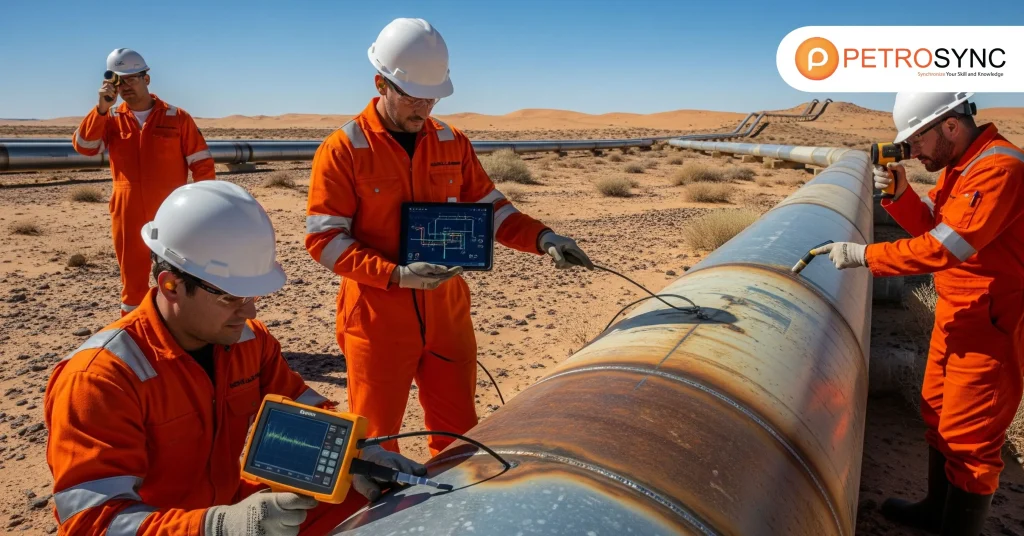
The asset management lifecycle is a structured framework that covers every phase of an asset’s existence – from initial planning and acquisition to operation, maintenance, performance optimization, and finally, disposal. Instead of treating assets as isolated items, this lifecycle approach views them as evolving entities that require continuous oversight and alignment with business objectives.
According to ISO 55000, an international standard for asset management, organizations that apply a structured lifecycle approach can achieve measurable improvements in reliability, efficiency, and return on investment. This framework provides decision-makers with clarity and ensures that every asset continues to deliver value until the very end of its useful life.
What Are the Key Stages of the Asset Management Lifecycle?
1. Planning and Acquisition
The first stage is about defining the need for an asset, aligning it with business goals, and carefully planning its procurement. This includes cost-benefit analysis, vendor evaluation, and technical specification development. Poor planning at this stage often leads to mismatched assets that fail to meet long-term requirements.
2. Operation and Maintenance
Once acquired, the focus shifts to ensuring reliable operation and cost-effective maintenance. This stage involves preventive and predictive maintenance strategies that minimize downtime and extend the life of the asset. Industry research shows that predictive maintenance can reduce maintenance costs by up to 30% and cut unplanned downtime by nearly 45%.
These improvements directly translate into better operational efficiency and stronger bottom-line performance.
3. Performance Monitoring and Optimization
Monitoring performance metrics—such as availability, utilization, and energy efficiency—is critical. By applying analytics and real-time monitoring tools, organizations can identify inefficiencies and optimize asset performance. This proactive approach not only reduces operational costs but also improves overall productivity.
4. Decommissioning and Disposal
Every asset eventually reaches the end of its useful life. Proper decommissioning ensures compliance with environmental regulations, safe removal, and cost-effective disposal or recycling. Decisions made at this stage can significantly affect sustainability goals and long-term financial outcomes.
How to Optimize the Asset Management Lifecycle for Maximum Value?
1. Align Asset Strategy with Business Goals
Assets should not exist in isolation. Their management must directly support the broader organizational strategy—whether that means increasing production capacity, improving safety, or reducing carbon emissions. Alignment ensures every decision maximizes business impact.
2. Use Data-Driven Decision Making
The rise of digital tools and IoT-enabled devices allows organizations to gather real-time data on asset performance. Leveraging this data empowers leaders to make informed decisions, anticipate failures, and allocate resources more effectively. Studies suggest that companies integrating advanced analytics into asset management can achieve up to a 20% increase in asset utilization, a powerful driver of both efficiency and profitability.
3. Implement Continuous Improvement Practices
Optimization should be an ongoing process, not a one-time effort. Adopting methodologies such as Lean or Six Sigma helps organizations continuously refine their asset strategies, reduce waste, and achieve sustainable improvements.
Common Challenges in the Asset Management Lifecycle and How to Overcome Them
1. Limited Visibility Across Asset Data
Many organizations still operate in silos, with fragmented data across departments. Implementing a centralized asset management system provides a single source of truth and enhances decision-making.
2. Inadequate Maintenance Planning
Reactive maintenance often leads to higher costs and unexpected downtime. Transitioning to predictive and preventive strategies ensures better planning and longer asset life.
3. Poor End-of-Life Asset Decisions
Failing to plan for decommissioning can create compliance risks and unnecessary costs. Organizations should establish clear policies for asset retirement and disposal that balance financial, safety, and environmental considerations.
Why Professional Training Can Enhance Your Asset Management Lifecycle?
1. Gain Deep Insights into Best Practices
Training provides exposure to proven methodologies and international standards like ISO 55000, ensuring that leaders adopt practices aligned with global benchmarks.
2. Learn How to Optimize Each Stage Effectively
From acquisition to disposal, training equips managers with tools to maximize performance, reduce risks, and enhance reliability across all lifecycle stages.
3. Improve Efficiency, Compliance, and Long-Term Value
Well-trained leaders can foster a culture of continuous improvement, ensuring compliance while simultaneously boosting operational efficiency and asset value.
Excel in Asset Management with PetroSync Training
Mastering the asset management lifecycle is not just about technical knowledge—it’s about understanding how each stage contributes to strategic business growth. For senior leaders and decision-makers, gaining these insights is crucial for steering their organizations toward efficiency, profitability, and sustainability.
PetroSync’s specialized training programs are designed to help professionals like you master the intricacies of asset management. By joining, you’ll gain practical knowledge, real-world insights, and strategies that you can apply immediately to enhance your organization’s asset performance.
Whether your focus is on improving reliability, optimizing operations, or aligning asset strategy with long-term business goals, PetroSync ensures you are equipped to lead with confidence.

Results-oriented and thorough SEO specialist with extensive experience in conducting keyword research, developing and implementing digital website promotion strategies and plans, managing campaigns to develop company websites in the digital world, excellent knowledge of marketing techniques and principles, and attentive strong attention to detail.