

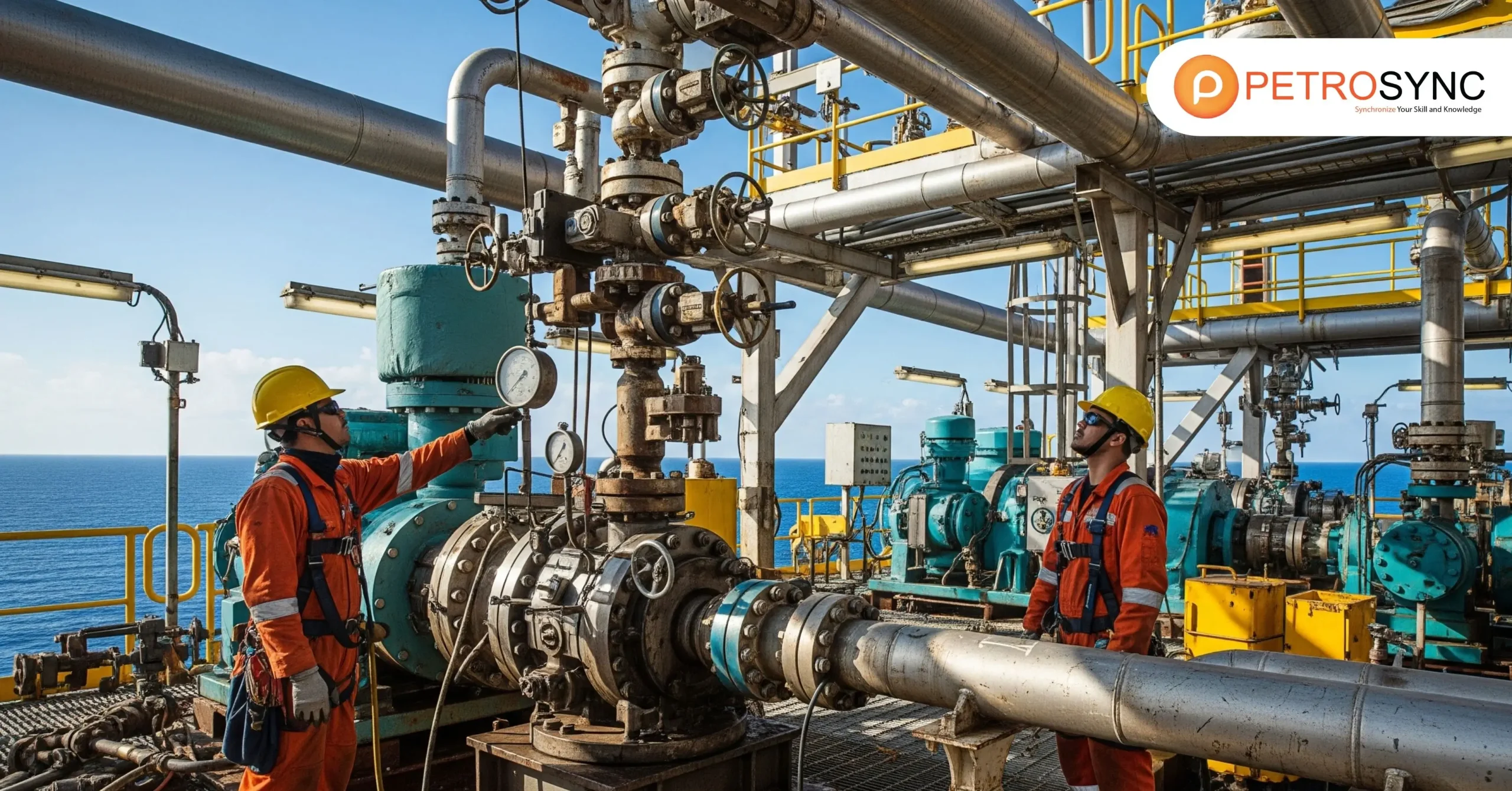
In the oil and gas sector, reliability and efficiency are not optional – they are the very backbone of sustainable operations. Senior executives and managers know well that the performance of physical assets – whether compressors, pipelines, drilling rig, or refineries – directly influences productivity, safety, and profitability.
This is why asset management maintenance is increasingly seen as a strategic driver of operational excellence. Instead of being limited to repairs or emergency fixes, it has evolved into a proactive and data-driven discipline that maximizes asset value throughout its lifecycle.
What Is Asset Management Maintenance and Why Does It Matter for Operational Excellence?
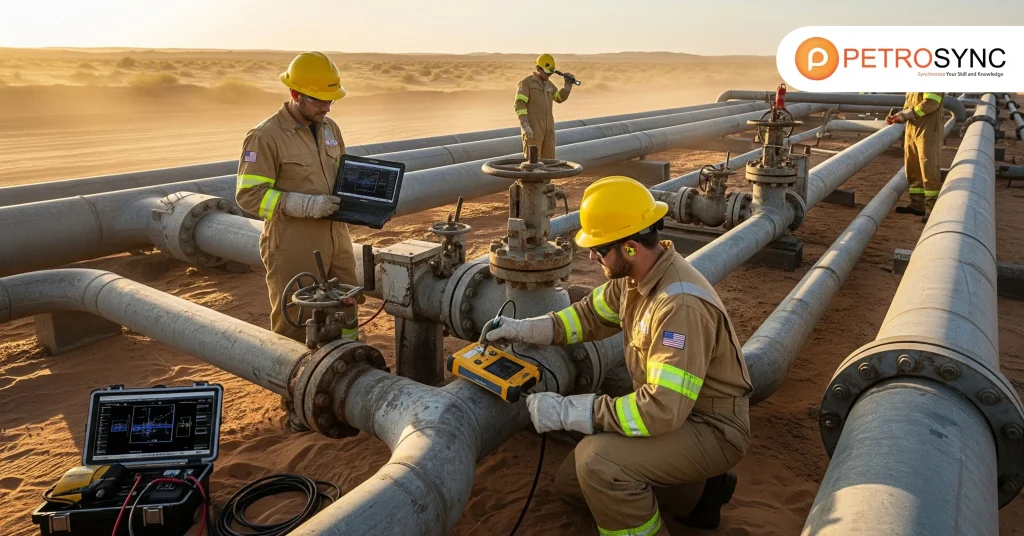
Asset management maintenance is the coordinated process of ensuring that assets deliver optimal value in alignment with business objectives. It covers strategies that extend asset lifespan, minimize unexpected downtime, and enhance return on investment. The impact is far from minor.
A global consultancy study highlights that structured maintenance strategies can cut downtime by as much as 30% and reduce maintenance costs between 15–20%. These numbers underline a powerful truth: effective maintenance is not a cost center, but a critical enabler of operational excellence and competitive advantage.
Key Asset Management Maintenance Practices for Maximum Efficiency
1. Developing a Maintenance Plan Aligned with Asset Lifecycle
Every asset follows a lifecycle—from acquisition to commissioning, operation, and eventual decommissioning. A comprehensive plan that aligns with each stage helps leaders allocate resources wisely. Early investment in lifecycle planning reduces costly breakdowns during peak performance years and minimizes risks in later phases.
2. Implementing Preventive and Predictive Maintenance Programs
Preventive maintenance focuses on scheduled interventions, while predictive maintenance leverages data analytics and sensor technologies to anticipate failures before they occur. Industry research shows that predictive maintenance can cut costs by up to 20%, extend equipment lifespan by nearly 40%, and reduce downtime by half. This dual approach ensures reliability while safeguarding safety and compliance.
3. Establishing Clear Maintenance KPIs
Metrics matter. By monitoring KPIs such as Mean Time Between Failures (MTBF), Mean Time to Repair (MTTR), and Overall Equipment Effectiveness (OEE), organizations gain transparency over asset health. Well-defined KPIs create accountability, enable benchmarking, and fuel continuous improvement.

How Can You Evaluate and Improve Your Asset Management Maintenance System?
Improvement begins with honest evaluation. Leaders should assess how closely maintenance strategies align with corporate goals, whether predictive tools are being fully utilized, and how reliable current data is.
A cross-functional lens is key—maintenance must integrate with operations, finance, and safety functions. By doing so, organizations identify gaps like underutilized technology or workforce skill shortages, and address them with targeted solutions that elevate overall performance.
Future Trends in Asset Management Maintenance You Should Prepare For
Forward-looking executives are already preparing for shifts that will define the next era of asset management:
1. Integration of AI in Maintenance Decision-Making
AI-powered algorithms can analyze vast data sets to predict failures and recommend optimized schedules, delivering accuracy beyond human capacity.
2. IoT-Driven Condition Monitoring
With IoT sensors embedded across assets, real-time monitoring provides early detection of anomalies—saving millions in potential downtime and repairs.
3. Sustainability and Green Maintenance Initiatives
From reducing the carbon footprint of maintenance operations to adopting eco-friendly materials, green maintenance is becoming central to aligning with global ESG commitments and securing a responsible corporate image.
Why Professional Training Can Help You Master Asset Management Maintenance?
Knowledge and execution go hand in hand. Even robust strategies fall short without professionals equipped with the latest skills and frameworks.
1. Learn How to Implement Best Practices Effectively
Training programs provide structured methodologies and hands-on examples, ensuring asset management strategies deliver measurable results.
2. Stay Ahead with Emerging Technologies and Trends
With AI, IoT, and sustainability reshaping industries, training ensures executives are prepared to integrate these technologies before competitors do.
3. Optimize Maintenance for Operational Excellence
Workshops and simulations empower participants to translate knowledge into practice—reducing costs, improving reliability, and boosting long-term performance.
Elevate Your Asset Management Maintenance Skills with PetroSync Training
True operational excellence begins with mastery of asset management. PetroSync offers specialized training for executives, managers, and senior engineers in the oil and gas sector. Our programs combine international best practices with case studies drawn from real-world challenges.
By joining PetroSync’s training, you will:
- Gain practical insights on preventive and predictive maintenance.
- Learn how to integrate AI and IoT into your maintenance strategies.
- Build the leadership capacity to drive operational excellence.
- Strong asset management starts with strong leadership—and the right training is your best investment.

Results-oriented and thorough SEO specialist with extensive experience in conducting keyword research, developing and implementing digital website promotion strategies and plans, managing campaigns to develop company websites in the digital world, excellent knowledge of marketing techniques and principles, and attentive strong attention to detail.