

Asset management technology is rapidly transforming how industries monitor, maintain, and optimize their critical assets. In today’s fast-evolving industrial landscape, companies are leveraging IoT, AI, and cloud-based platforms to improve efficiency, reduce operational costs, and maximize asset performance.
For senior managers, CEOs, and decision-makers, understanding how asset management technology works – and how to implement it effectively – is no longer optional; it is a strategic necessity. Before diving into specific technologies and strategies, it’s essential to explore why asset management technology matters and how it can reshape business operations.
What Is Asset Management Technology and Why Does It Matter?
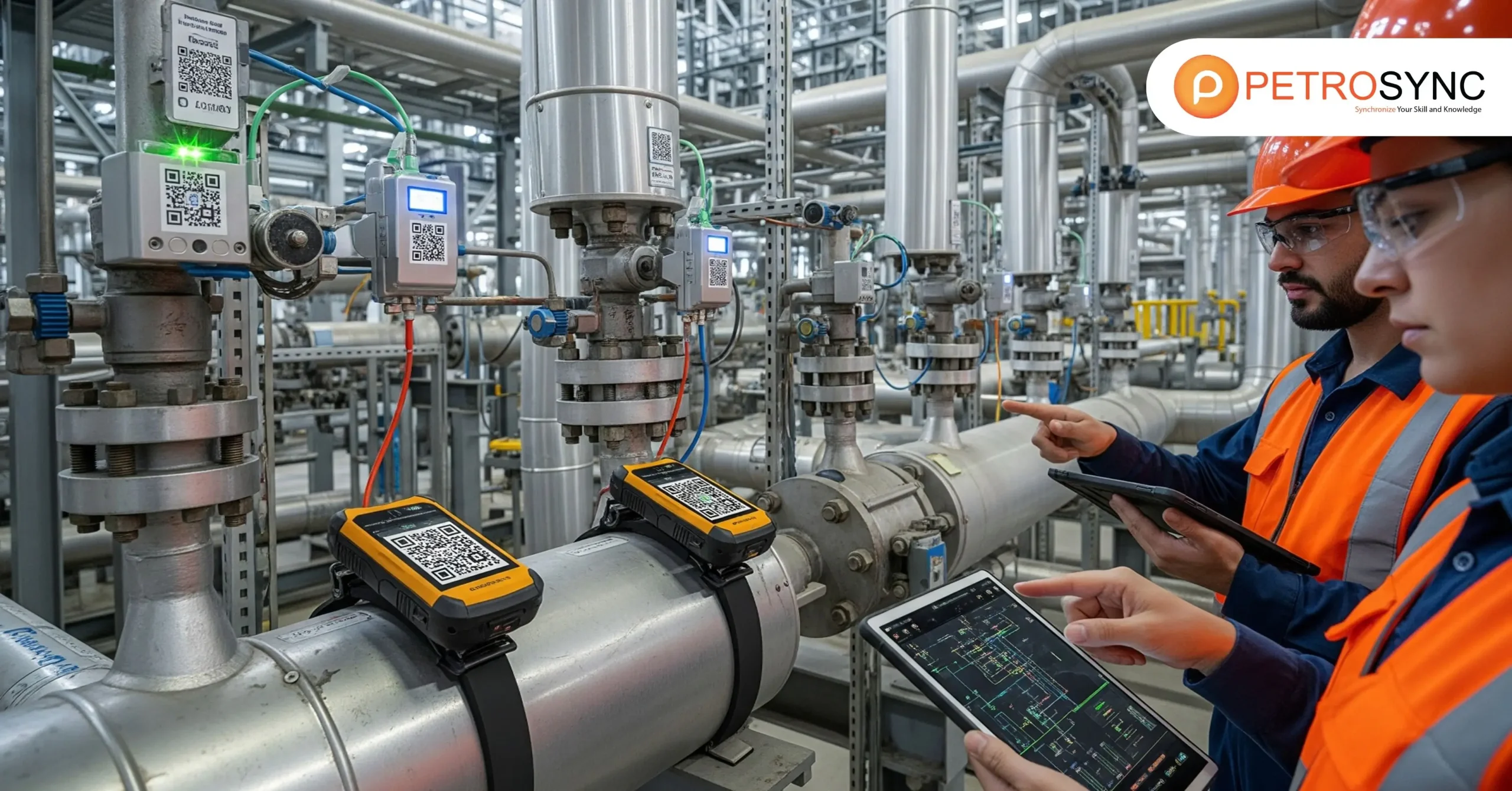
Asset Management Technology refers to the suite of digital tools and platforms used to monitor, manage, and optimize physical assets throughout their lifecycle. These tools include IoT sensors, AI-driven predictive analytics, cloud-based management platforms, and advanced data visualization software.
Why is this important? For many industries, assets—ranging from production machinery to pipelines and vehicles—represent a significant portion of operational costs. Inefficient asset management can lead to unplanned downtime, costly repairs, and reduced productivity, which can negatively affect revenue.
According to a study published in the Journal of Industrial Engineering and Management, companies implementing integrated asset management systems saw up to 25% improvement in operational efficiency and a 20% reduction in maintenance costs.
How Asset Management Technology Is Transforming Industries?
The adoption of AMT is not just a trend—it is reshaping the way companies operate. Here’s a closer look at the most impactful innovations:
1. Real-Time Asset Monitoring and IoT Integration
IoT-enabled sensors allow organizations to monitor asset performance in real-time. Temperature, pressure, vibration, and other critical parameters can be continuously tracked, enabling instant detection of anomalies. For example, a refinery integrating IoT sensors reported a 15% decrease in unplanned shutdowns due to early anomaly detection.
Real-time monitoring not only enhances operational reliability but also provides valuable data for strategic decision-making, helping managers plan maintenance schedules, allocate resources, and improve overall efficiency.
2. Predictive Maintenance with AI and Machine Learning
Traditional maintenance strategies often rely on fixed schedules or reactive repairs. Predictive maintenance, powered by AI and machine learning, analyzes historical and real-time data to forecast when equipment is likely to fail.
This approach reduces unnecessary maintenance and prevents costly downtime. Studies show that predictive maintenance can increase equipment uptime by 10–20% and reduce maintenance costs by 25–30%, making it a game-changer for industries like oil and gas, manufacturing, and energy.
3. Cloud-Based Asset Management Platforms
Cloud platforms centralize asset data from multiple locations, providing a single source of truth for management teams. Cloud-based solutions enable remote monitoring, collaboration, and real-time reporting. Companies adopting cloud AMT solutions reported a 35% faster response to maintenance issues, according to research in the International Journal of Production Economics.

How to Maximize ROI from Asset Management Technology?
Implementing AMT is only the first step. Maximizing ROI requires a strategic approach that aligns technology with business goals.
1. Aligning Technology with Business Goals
AMT initiatives must be tied to key performance indicators (KPIs) and corporate objectives. Whether the goal is reducing downtime, lowering maintenance costs, or improving asset lifespan, the technology should directly support these targets.
2. Training and Upskilling Teams
Technology alone is not enough. Teams must understand how to use new tools effectively. Upskilling engineers and operators ensures that AMT investments translate into measurable outcomes.
3. Continuous Performance Tracking and Optimization
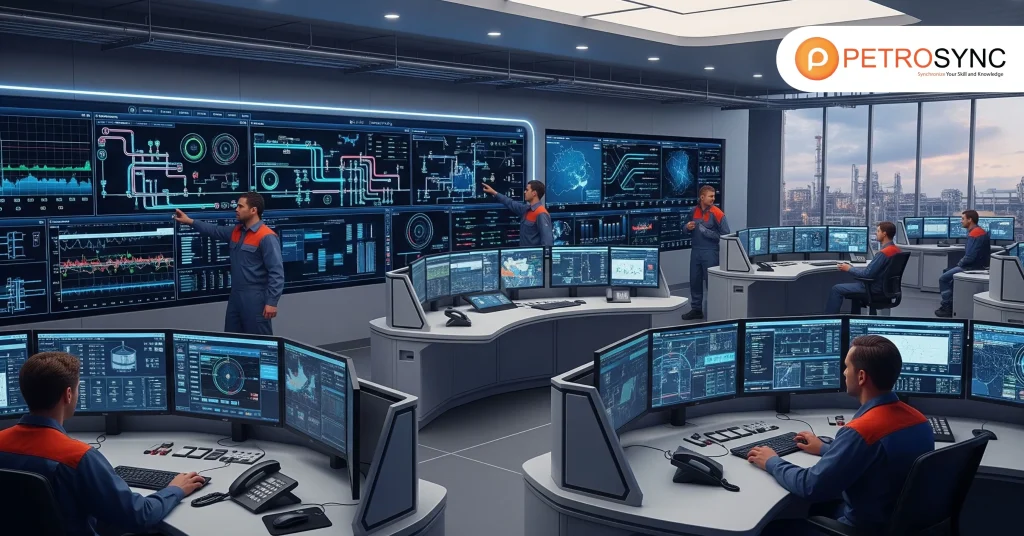
ROI improves when asset performance is continuously monitored and optimized. Advanced dashboards and analytics allow managers to identify trends, measure outcomes, and adjust strategies proactively.
Future Trends in Asset Management Technology You Can’t Ignore
As industries evolve, AMT is advancing rapidly. Key trends include:
- Integration with Digital Twins: Creating virtual replicas of assets for simulation and predictive planning.
- Edge Computing: Processing data locally for faster decision-making and reduced latency.
- Sustainability Metrics: Tracking energy usage, emissions, and environmental impact alongside asset performance.
- Companies that embrace these trends can gain a competitive edge, enhance operational efficiency, and achieve long-term sustainability goals.
Why Professional Training is Key to Mastering Asset Management Technology?
Understanding AMT at a strategic level is essential, but professional training bridges the gap between knowledge and execution. Training programs help executives, managers, and engineers leverage technology to its full potential.
1. Learn How to Leverage Technology for Maximum Efficiency
Training equips teams to implement real-time monitoring, predictive maintenance, and cloud solutions effectively, driving measurable business outcomes.
2. Stay Updated with Emerging Digital Trends
The technology landscape is evolving rapidly. Training ensures that your team stays current with AI, IoT, cloud, and digital twin innovations, minimizing the risk of outdated practices.
3. Optimize Asset Performance and ROI
Proper training helps organizations extract maximum value from their technology investments, improving asset reliability, reducing costs, and enhancing revenue. Research indicates that companies combining AMT implementation with structured training programs achieve 20–30% higher ROI compared to those without training.
Enhance Your Asset Management Strategy with PetroSync Training
For organizations aiming to stay ahead in the era of digital transformation, PetroSync offers comprehensive training programs focused on asset management technology. Our courses provide hands-on learning, real-world case studies, and guidance on leveraging technology to optimize asset performance.
By attending PetroSync training, professionals gain the skills to:
- Implement predictive maintenance strategies effectively.
- Integrate IoT and cloud-based platforms for real-time monitoring.
- Make data-driven decisions that maximize ROI.
Investing in professional training ensures that your team not only adopts AMT but also master it to drive tangible business growth. Don’t let technology investments go underutilized—equip your workforce with the knowledge and tools to lead in the digital age.

Results-oriented and thorough SEO specialist with extensive experience in conducting keyword research, developing and implementing digital website promotion strategies and plans, managing campaigns to develop company websites in the digital world, excellent knowledge of marketing techniques and principles, and attentive strong attention to detail.