

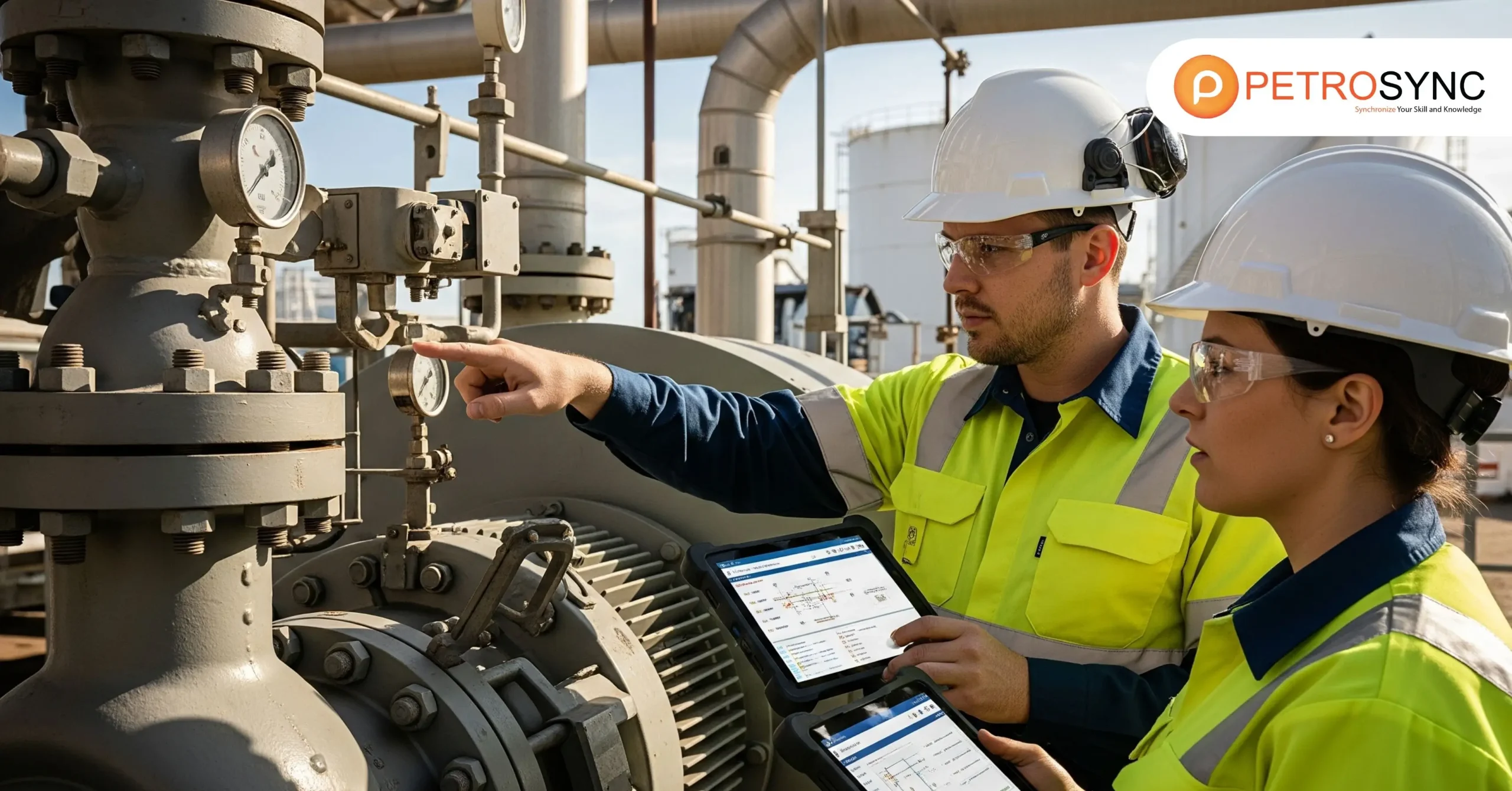
Asset Management Products (AMPs) are transforming the oil and gas industry by driving operational efficiency, maximizing asset performance, and minimizing downtime. In today’s competitive landscape, companies rely on AMPs not only to protect and optimize their investments but also to align day-to-day operations with broader strategic goals.
Implementing an effective asset management solution goes beyond adopting new technology—it demands structured processes, skilled teams, and professional training to unlock its full value. With growing operational complexity and increasing cost pressures, oil and gas companies must ensure that every asset contributes to organizational objectives.
A robust AMP allows businesses to monitor performance, predict failures, optimize costs, and enhance overall reliability, which ultimately leads to stronger business outcomes. This article explores why AMPs are critical, the technologies that power them, features that define high-impact products, common implementation challenges, and how professional training maximizes their value.
Why Asset Management Product Matters for Operational Excellence?
1. Boosting reliability and uptime
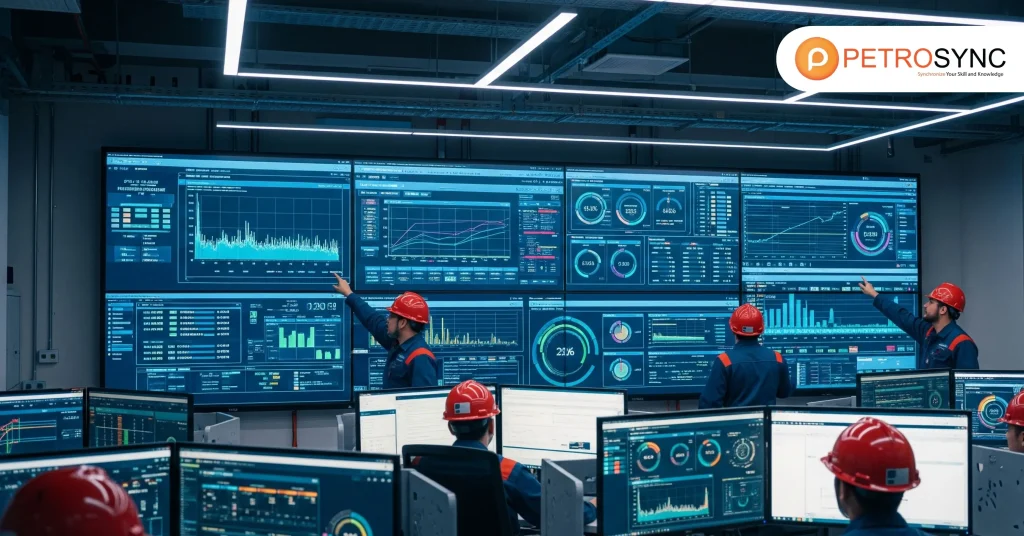
Reliability is at the core of operational excellence. A well-implemented AMP helps organizations monitor asset health in real time, enabling proactive maintenance that prevents unexpected failures. For instance, predictive maintenance powered by asset management solutions can increase equipment uptime by up to 20%, significantly reducing production losses and operational disruption.
By identifying issues before they escalate, organizations can also reduce emergency maintenance costs and enhance workforce productivity.
2. Aligning assets with strategic goals
AMPs enable companies to align operational activities with corporate strategy. By mapping asset performance against organizational goals, managers can prioritize critical equipment, allocate resources efficiently, and ensure that investments yield maximum returns.
This strategic alignment improves decision-making at all levels, from site engineers to C-suite executives, fostering a culture where every operational decision contributes to long-term business objectives.
3. Cost optimization and risk reduction
One of the most tangible benefits of AMPs is cost optimization. By accurately tracking asset performance, organizations can reduce unnecessary maintenance expenditures, avoid overstocking spare parts, and prevent costly downtime.
Moreover, predictive analytics embedded in AMPs identify potential failures before they occur, reducing operational risks and improving overall safety performance. Data-driven insights allow companies to take preventive actions, ensuring compliance with regulations while minimizing financial exposure.
Key Technologies Powering Effective Asset Management Products
1. IoT sensors and predictive analytics
IoT sensors continuously monitor equipment conditions, providing high-resolution data for analysis. When paired with predictive analytics, these data streams enable organizations to forecast failures, schedule maintenance proactively, and optimize resource allocation. Case studies have shown that predictive maintenance can reduce maintenance costs by 10–15% and increase equipment lifespan significantly.
2. Cloud-based platforms and integration
Cloud-based AMPs provide centralized access to asset data, making it easier to manage multiple sites and geographically dispersed operations. Integration with ERP, CMMS, and other enterprise systems ensures that asset data informs finance, operations, and maintenance decisions simultaneously, improving coordination across departments.
This seamless integration eliminates data silos, enhances transparency, and accelerates decision-making.
3. AI-driven decision support
Artificial Intelligence adds a strategic layer to asset management. AI algorithms analyze historical and real-time data to recommend optimal maintenance strategies, assess risk levels, and forecast operational performance. By converting complex datasets into actionable insights, AI-driven AMPs empower managers to make informed, data-backed decisions quickly, enhancing operational efficiency and profitability.
What Features Define a High-Impact Asset Management Product?
1. Real-time monitoring and alerts
High-performing AMPs provide instant notifications on deviations in asset performance, enabling rapid responses to emerging issues. Real-time monitoring not only prevents downtime but also enhances safety, particularly in hazardous environments like offshore drilling or petrochemical plants. Organizations leveraging real-time alerts can reduce unplanned downtime by up to 25%, according to industry reports.
2. Integration with existing enterprise systems
A key factor in AMP effectiveness is its ability to seamlessly integrate with existing enterprise systems. ERP, CMMS, and other operational platforms must communicate effectively to ensure unified data and coordinated decision-making. Integration reduces manual data entry, improves data accuracy, and ensures that all stakeholders are working from the same reliable information source.
3. Analytics and reporting for informed decisions
Analytics and reporting capabilities are essential for translating operational data into business insights. AMPs generate dashboards, KPIs, and trend reports that help executives evaluate asset performance, optimize operations, and measure ROI. Organizations that implement analytics-driven AMPs often experience measurable growth in asset utilization and operational efficiency, enhancing overall business competitiveness.
How to Avoid Common Implementation Challenges?
1. Ensuring data quality and consistency
The success of any AMP depends on accurate, consistent data. Inaccurate readings or incomplete datasets can result in flawed predictions and misguided decisions. Organizations must standardize data collection procedures, implement validation rules, and conduct regular audits to ensure data integrity.
2. Overcoming digital adoption resistance
Adopting new technologies can be challenging, especially for teams accustomed to traditional processes. Overcoming resistance requires clear communication, demonstration of tangible benefits, and hands-on training. When employees understand how AMPs improve daily operations and reduce workload, adoption rates rise significantly.
3. Training teams effectively
Even the best AMP is only as effective as the people using it. Continuous training programs ensure that staff can interpret data, utilize analytics tools, and execute proactive maintenance strategies. Well-trained teams contribute to operational efficiency, risk mitigation, and long-term sustainability, making training a critical component of AMP implementation.
Why Professional Training is Key to Maximizing Asset Management Product Value?
1. Learn to Leverage Advanced Technologies
Professional training equips teams with practical knowledge of IoT, predictive analytics, AI, and cloud-based tools. Mastering these technologies allows organizations to unlock the full potential of their AMPs, ensuring proactive maintenance and optimized asset performance.
2. Master Integration and Analytics for Strategic Decisions
Training programs teach staff how to integrate AMPs with existing enterprise systems and use advanced analytics to support strategic decisions. Professionals learn to interpret complex data, identify operational trends, and recommend actions that enhance business outcomes.
3. Build Skilled Teams to Drive Operational Excellence
Developing skilled teams ensures that asset management efforts are sustained over the long term. Well-trained personnel reduce operational risks, improve asset reliability, and contribute to organizational growth. By fostering a culture of continuous learning, companies can maximize the ROI of their AMP investments and maintain operational excellence.
Unlock Maximum Value with PetroSync Training
To fully harness the benefits of an Asset Management Product, organizations must invest in professional training. PetroSync training programs provide hands-on experience with the latest asset management technologies, advanced analytics, and integration strategies. Participants learn to leverage real-time monitoring, predictive analytics, and AI-driven decision support to optimize asset performance and operational efficiency.
Through practical exercises and case studies, PetroSync equips teams with the knowledge and confidence to implement AMPs effectively. By combining technical expertise with strategic insights, trained professionals can drive operational excellence, reduce downtime, optimize costs, and support long-term business growth—turning your asset management strategy into a competitive advantage.

Results-oriented and thorough SEO specialist with extensive experience in conducting keyword research, developing and implementing digital website promotion strategies and plans, managing campaigns to develop company websites in the digital world, excellent knowledge of marketing techniques and principles, and attentive strong attention to detail.