

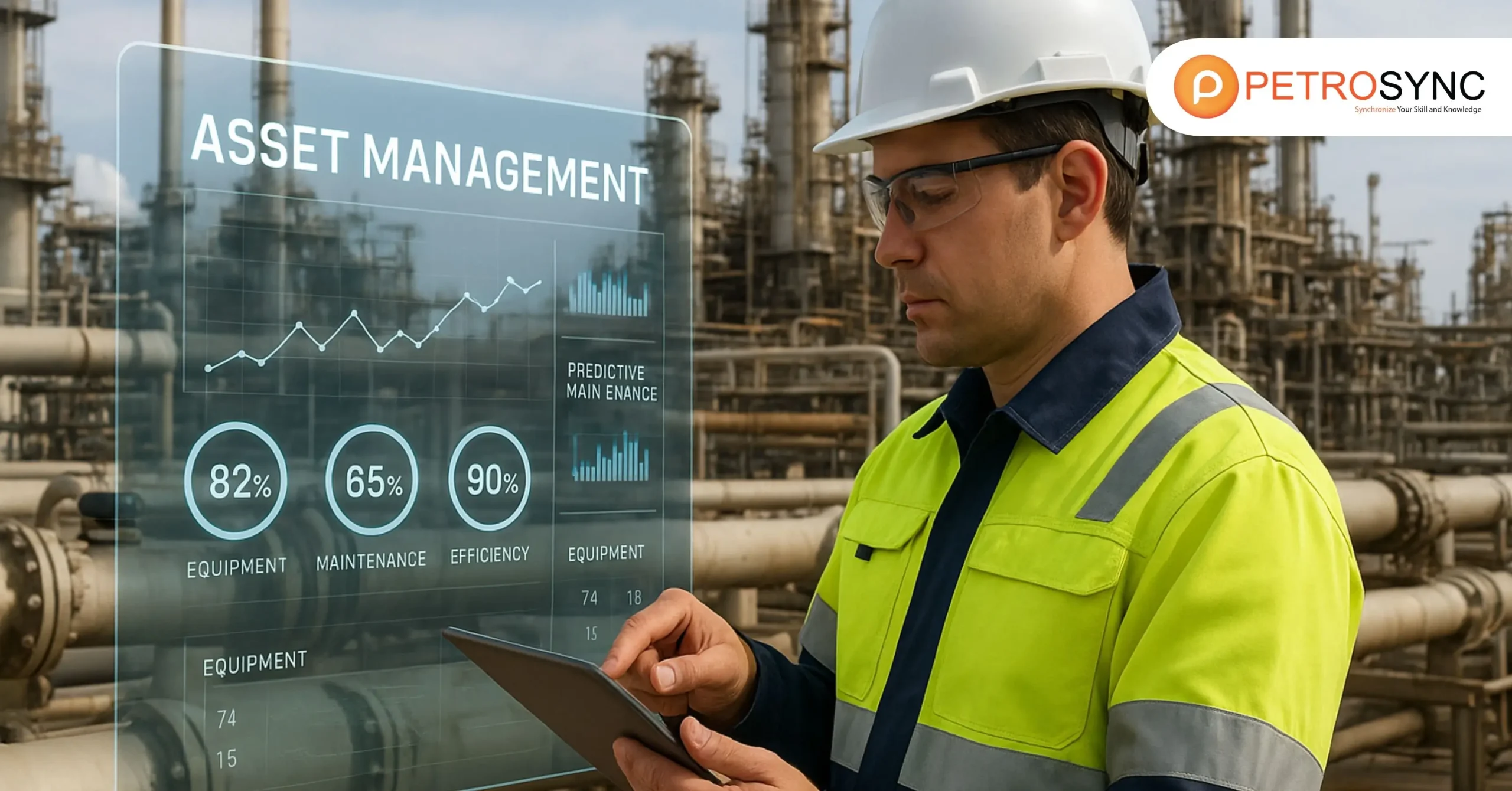
Managing assets in oil and gas – or any capital-intensive industry – goes far beyond keeping a simple inventory. Every piece of equipment, every facility, and every process carries significant value and risk. When assets are poorly managed, organizations face costly downtime, compliance issues, and declining efficiency.
Conversely, companies that embrace a structured asset management system often see measurable improvements in operational performance and business growth. Before diving into the practices and strategies, let’s first understand what an asset management system truly is and why it plays a critical role in driving efficiency across the organization.
What Is an Asset Management System?
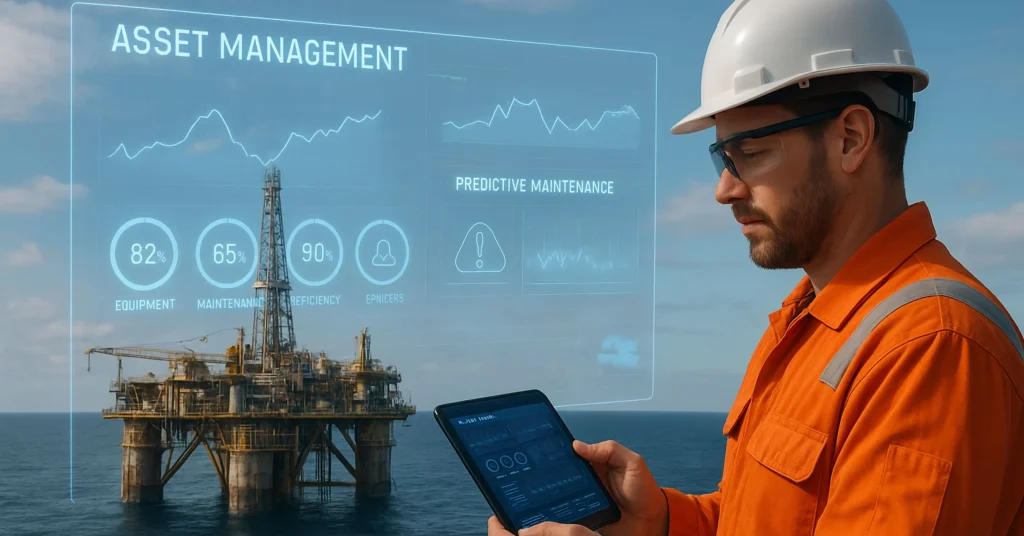
An asset management system is a structured framework that allows organizations to track, monitor, and optimize the life cycle of their assets. It covers everything from acquisition and deployment to operation, maintenance, and eventual disposal. In essence, it ensures that every asset – whether it’s a drilling rig, compressor, or pipeline – is performing at its highest potential while minimizing risks and costs.
The International Organization for Standardization (ISO) defines asset management under ISO 55000 as a “coordinated activity of an organization to realize value from assets.” This definition emphasizes aligning asset management with business objectives, ensuring that efficiency and reliability remain central to operational success.
How Can an Asset Management System Improve Efficiency?
When implemented correctly, an asset management system creates a ripple effect across operations. It reduces waste, enhances asset performance, and strengthens decision-making. Below are the key ways it drives efficiency.
1. Centralized Asset Tracking
A centralized system eliminates the confusion caused by scattered spreadsheets or siloed databases. Managers gain instant visibility into asset conditions, usage, and history—making it easier to allocate resources and reduce unnecessary costs.
2. Streamlined Maintenance Scheduling
Unplanned downtime is one of the biggest cost drivers in oil and gas. With a structured asset management system, companies can transition from reactive to preventive and predictive maintenance. Industry research shows that predictive maintenance can reduce equipment downtime by 30–50% and lower maintenance costs by 20–30%. These improvements translate directly into better asset availability and financial performance.
3. Real-Time Performance Monitoring
Integrating IoT sensors and monitoring tools allows managers to track performance indicators such as vibration, pressure, or temperature in real time. This proactive approach ensures quick intervention before minor issues escalate into costly failures, ultimately extending asset lifespan.
4. Automated Reporting and Analytics
Manual reporting is often prone to delays and inaccuracies. Automated analytics provide executives with actionable insights, enabling data-driven decisions. Whether it’s evaluating asset utilization or forecasting replacement costs, real-time reporting saves valuable time and enhances strategic planning.

What Are the Best Asset Management Practices for Maximum Efficiency?
While having a system is vital, the way it’s managed makes the real difference. Best practices ensure that the system delivers consistent value and aligns with organizational goals.
1. Keep Asset Data Accurate and Updated
An outdated system is nearly as bad as no system at all. Accurate data on location, usage, and maintenance history is essential for making informed decisions. Regular audits help ensure that information reflects current conditions.
2. Integrate Asset Management with Other Systems
Efficiency improves when asset management integrates with ERP, financial, and supply chain systems. This allows organizations to align capital expenditure planning with operational realities, bridging the gap between technical performance and business objectives.
3. Provide Comprehensive Staff Training
A sophisticated system is only as effective as the people using it. Training staff to leverage the system’s full capabilities ensures consistency and minimizes errors. Skilled teams can identify opportunities for improvement, further boosting efficiency.
How to Implement an Asset Management System Effectively?
Transitioning to a structured asset management system requires careful planning and execution. The following steps provide a practical roadmap.
1. Assess Current Asset Management Processes
Organizations must first evaluate their existing processes. Identifying gaps, inefficiencies, and compliance risks forms the foundation for building a tailored system.
2. Choose the Right System for Your Needs
No two organizations are the same. Leaders should select a system that fits their specific operational and regulatory requirements, with scalability in mind. For example, a global oil and gas firm may need a system with multilingual support and multi-site integration.
3. Provide Ongoing Support and Training
Implementation does not end with system installation. Continuous support, refresher training, and periodic system reviews ensure that the asset management system evolves alongside business needs.
Why Investing in Professional Asset Management Training Makes a Difference?
While technology is critical, knowledge remains the greatest asset. Organizations that invest in professional training for their teams often achieve better long-term results.
1. Gain In-Depth Knowledge of Best Practices
Training helps managers understand ISO 55000 principles and apply them effectively. This ensures that asset management is not just a technical function but a strategic driver of business value.
2. Learn How to Apply Systems Effectively
Beyond theoretical knowledge, training programs provide real-world case studies and practical exercises. This helps participants navigate complex challenges like regulatory compliance, cost optimization, and sustainability.
3. Ensure Long-Term Efficiency and Compliance
A well-trained workforce is better equipped to adapt to evolving industry standards and digital tools. This not only sustains efficiency but also ensures compliance with international regulations.
Enhance Your Asset Management Skills with PetroSync Training
Maximizing efficiency through asset management requires more than technology—it demands knowledge, skills, and the ability to apply best practices consistently. At PetroSync, we offer specialized training programs designed for industry leaders, senior managers, and executives in the oil and gas sector.
Our courses combine global standards like ISO 55000 with practical insights, empowering you to transform asset management into a strategic advantage for your organization.
Whether your goal is reducing downtime, optimizing capital expenditure, or ensuring long-term compliance, PetroSync training equips your team with the tools to achieve sustainable success.

Results-oriented and thorough SEO specialist with extensive experience in conducting keyword research, developing and implementing digital website promotion strategies and plans, managing campaigns to develop company websites in the digital world, excellent knowledge of marketing techniques and principles, and attentive strong attention to detail.