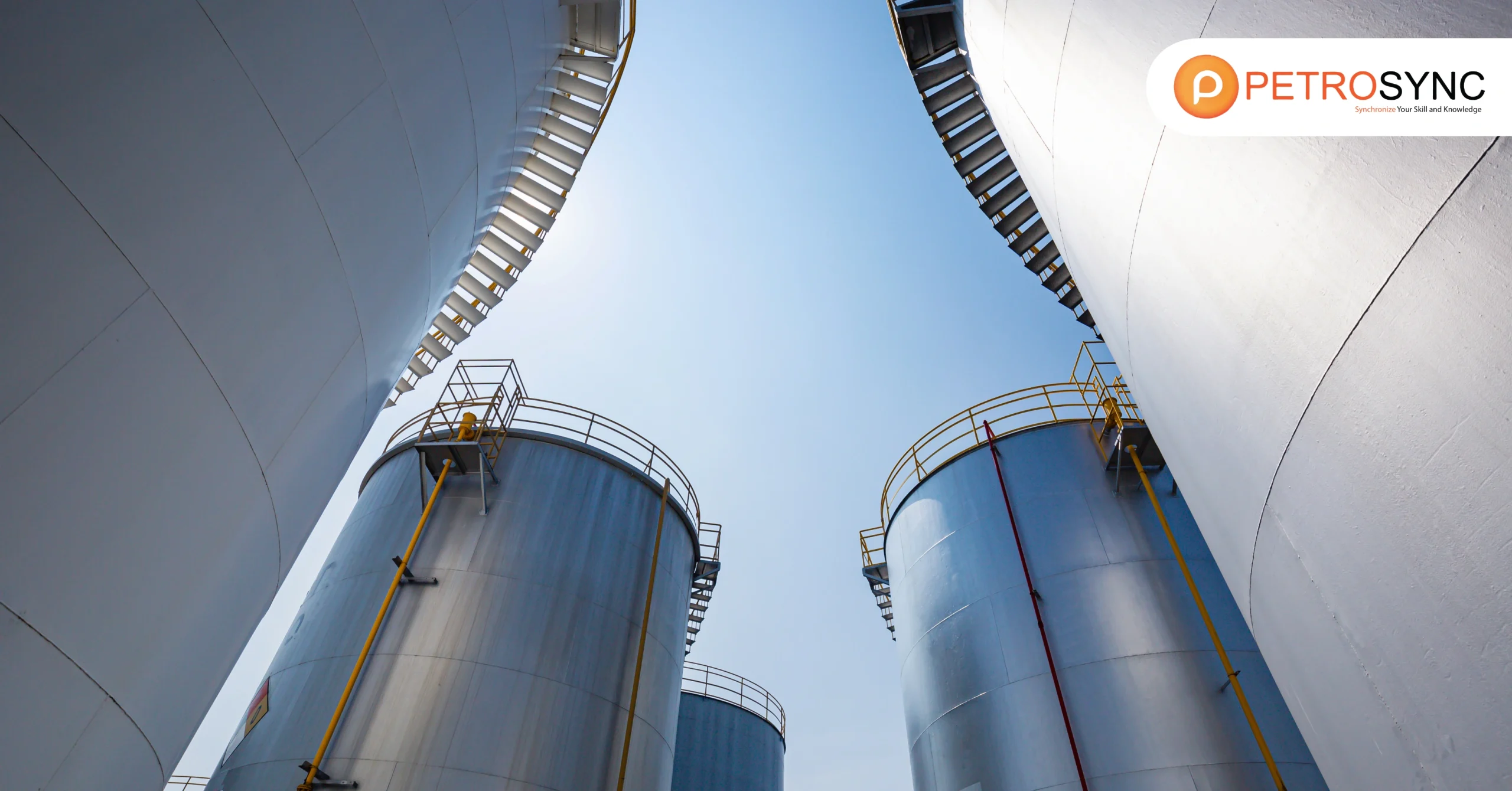
Carbon Capture and Storage (CCS) has become one of the most critical technologies shaping the future of net-zero strategies across the global energy industry. As the energy transition accelerates, oil and gas companies are no longer debating whether decarbonization is…
Shell-and-tube heat exchanger (STHEs) are among the most critical units in oil and gas operations, yet many still operate below their full potential. In today’s fast-paced industrial environment, optimizing every piece of equipment is not just about reducing costs—it ensures…
ASME (American Society of Mechanical Engineers) stands as one of the most influential engineering organizations in the world, shaping safety, reliability, and quality standards across a wide range of industrial applications. In an era where operational risks are rising and…
Carbon Capture & Storage courses are becoming essential learning pathways for today’s energy executives. As global industries accelerate toward low-carbon operations, the need for leaders who understand CCS technologies, economic implications, and long-term regulatory expectations continues to rise. In many…
Carbon Capture and Storage Training has become an increasingly essential development path for professionals navigating the global shift toward lower-carbon operations. As industries intensify efforts to reduce emissions and align with stricter environmental expectations, CCS stands out not only as…
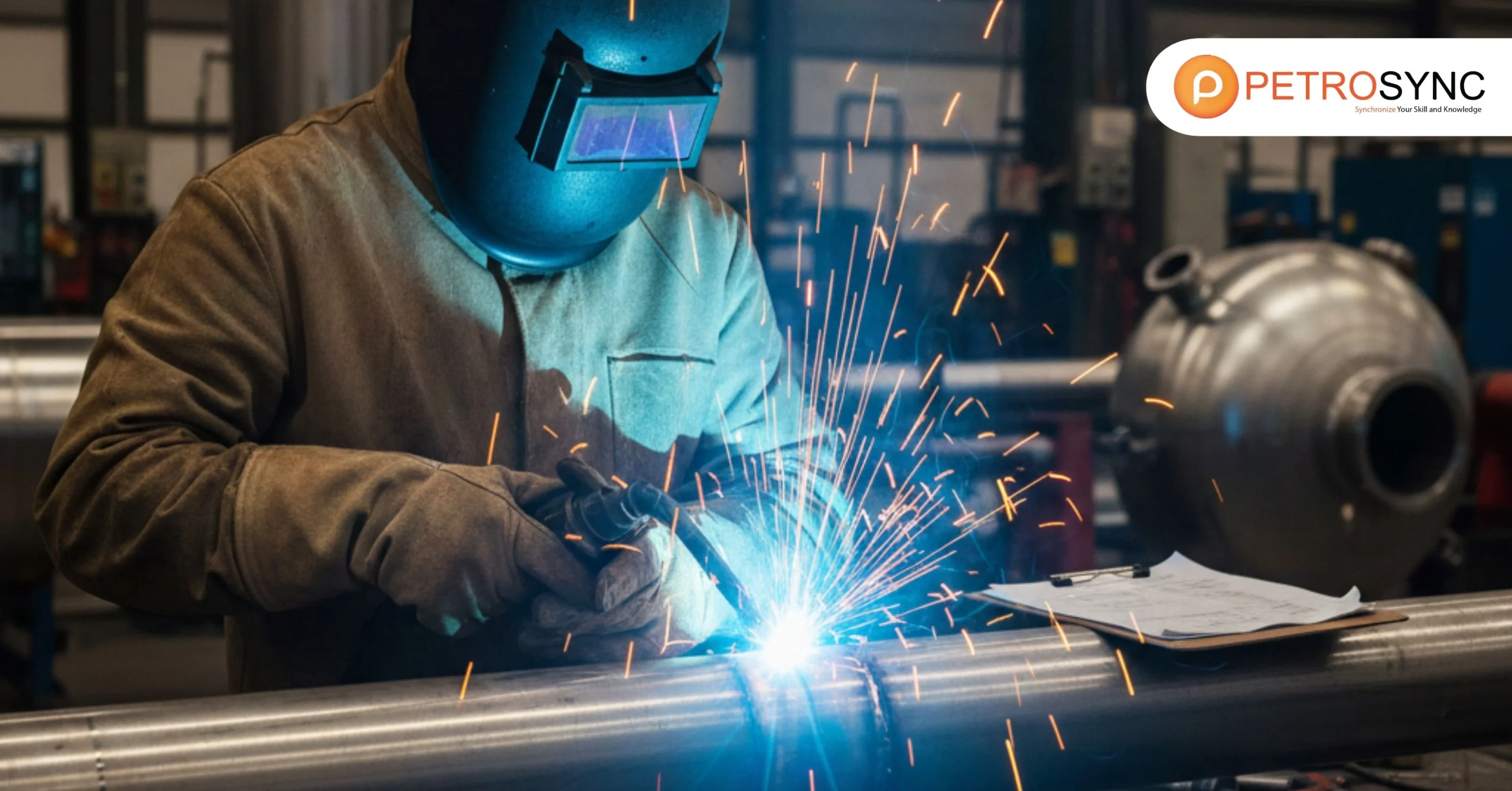
In the dynamic fields of oil and gas, petrochemicals, and energy, the meticulous qualification of welding, brazing, and fusing procedures holds paramount importance. ASME Section IX serves as a vital tool in regulating and defining the standards for these critical…
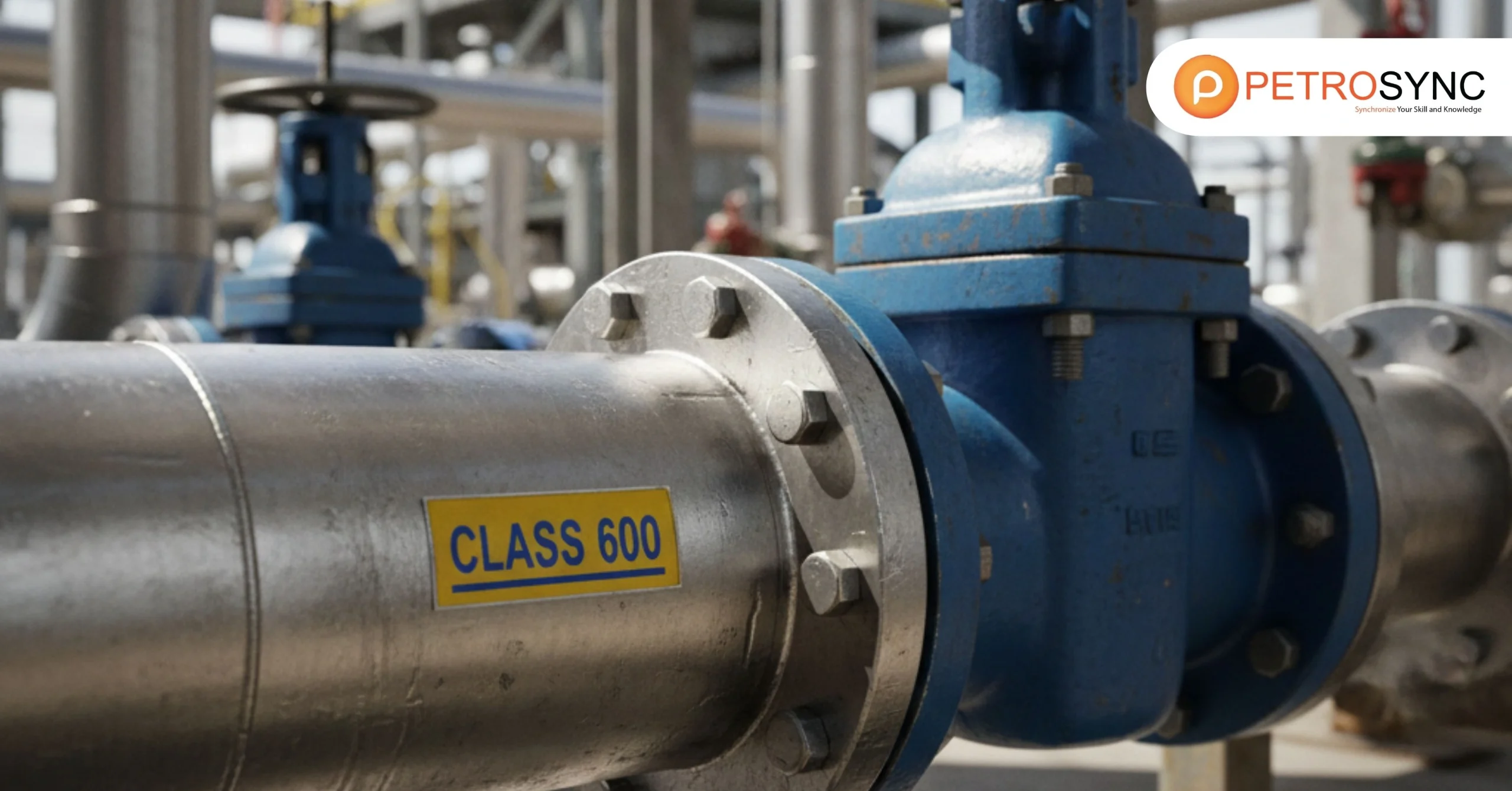
Piping Classes play a crucial role in ensuring the safety, reliability, and efficiency of piping systems in oil and gas operations. Even minor mistakes in material selection or pressure rating can cause costly downtime, operational delays, or serious safety hazards.…
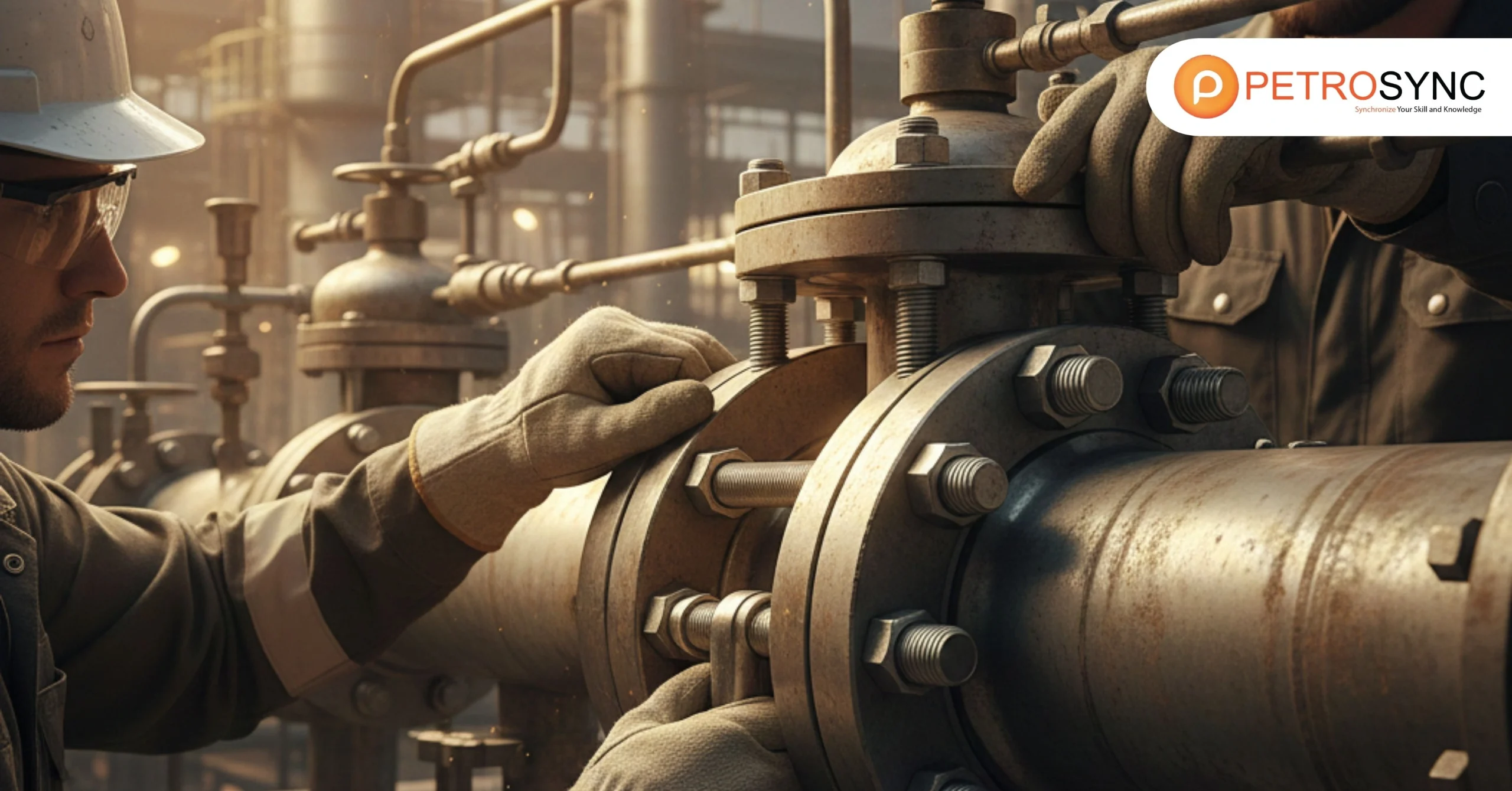
Flanged Joint plays a critical role in ensuring safe and reliable piping connections across the oil and gas, petrochemical, and power generation industries. In systems where extreme pressure, temperature fluctuations, and corrosive chemicals are common, the integrity of every connection…
Pneumatic testing is a commonly employed technique in the oil and gas industry to assess the integrity of pressure vessels, pipelines, and other components. Pneumatic testing has various benefits making it become a preferable technique. In this discussion, we will…
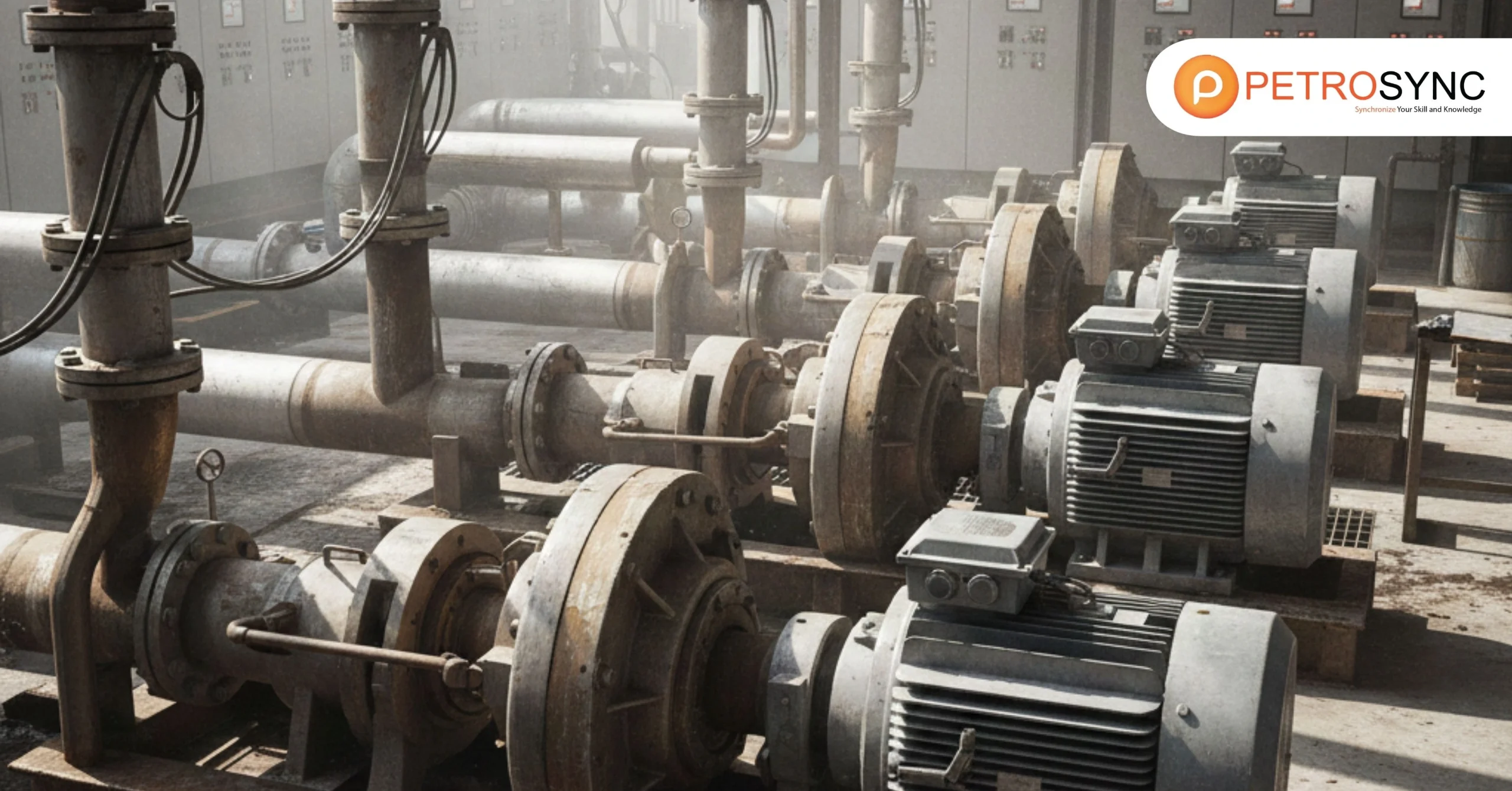
Rotating equipment in oil and gas plants—including pumps, compressors, turbines, and motors—is critical for ensuring plant efficiency, reliability, and continuous production. These machines serve as the mechanical heartbeat of operations, enabling fluid transport, pressure control, and power generation. Despite their…