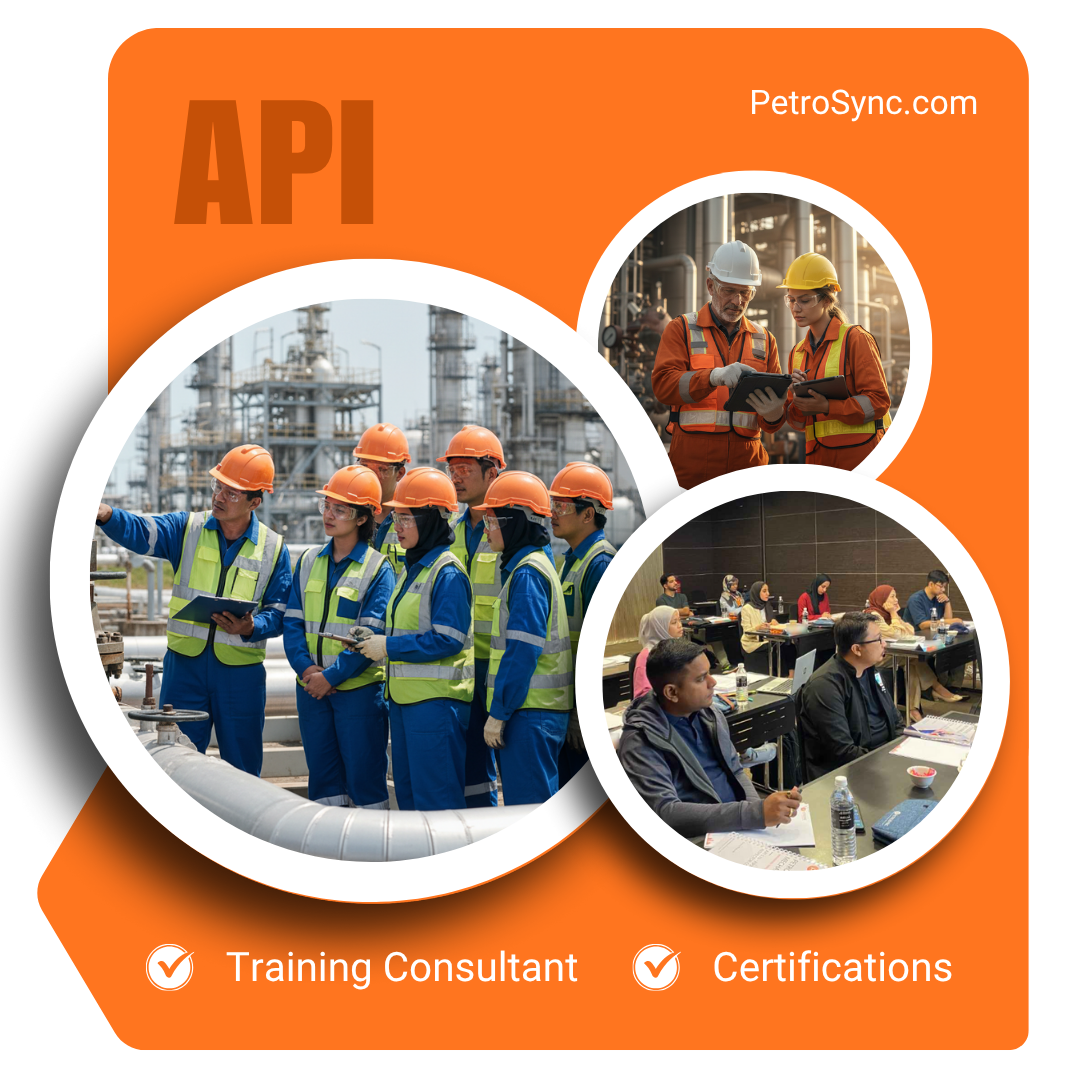


- Candidates need to meet the API 510 eligibility requirements, complete the API ICP application, and pass the examination to obtain certification.
- Effective exam preparation involves reviewing the API 510 Body of Knowledge, studying the recommended API and ASME references, and practicing with exam-style questions.
- PetroSync’s API 510 Training helps candidates strengthen their technical knowledge and exam readiness through instructor-led learning, practical exercises, case studies, and exam-focused practice
Obtaining an API 510 Certification requires meeting the eligibility requirements, submitting an application through the API Individual Certification Program (ICP), preparing for the examination, passing the exam, and maintaining your certification. This globally recognized credential demonstrates your competency in pressure vessel inspection and is widely valued across the oil and gas, petrochemical, power generation, and manufacturing industries.
This guide explains the complete API 510 certification process, from checking your eligibility to preparing for the exam and maintaining your certification, so you can plan your journey with confidence.
How to Get API 510 Certification

Getting API 510 Certification involves meeting the eligibility requirements, applying through the API Individual Certification Program (ICP), passing the examination, and maintaining your certification.
To help you navigate the process more easily, follow these steps:
Step 1: Check the API 510 Eligibility Requirements
Before applying for the exam, make sure you meet the eligibility requirements established by the API Individual Certification Program (ICP). Your eligibility is determined by a combination of education and relevant industry experience related to pressure vessel inspection.
API 510 Eligibility Requirements
- Relevant education in engineering or a technical discipline
- Industry experience in pressure vessel inspection or related fields
- Inspection experience that satisfies API’s minimum requirements
- A qualifying combination of education and work experience accepted by API
Once you’ve confirmed your eligibility, you can move on to the certification application process.
Step 2: Understand the API 510 Certification Process
After confirming your eligibility, you’ll need to create an API ICP account, complete the application, submit the required documentation, and pay the examination fee. Once your application is approved, you’ll be able to schedule your exam during an available testing window.
Understanding this process in advance helps you prepare the necessary documents and avoid delays before exam day.
Step 3: Review the API 510 Body of Knowledge
The API 510 Body of Knowledge (BoK) outlines the technical topics, industry standards, and codes that will be assessed during the certification examination. Reviewing the BoK early allows you to focus your study plan on the subjects that matter most.
Key Topics Covered in the Exam
- Pressure vessel inspection
- Inspection planning
- Damage mechanisms
- Fitness-for-service concepts
- Repair and alteration
- Welding inspection
- Non-destructive examination (NDE) methods
- Applicable API and ASME codes, including ASME Section VIII
Understanding these topics will help you prepare more effectively before moving on to your exam preparation.
Step 4: Prepare for the API 510 Certification Exam
Passing the API 510 exam requires more than reading the standard. A structured study plan, familiarity with the applicable codes, and regular practice with exam-style questions can significantly improve your confidence and performance.
Recommended Study References
- API 510
- API RP 571
- API RP 572
- API RP 577
- API RP 578
- ASME Section V
- ASME Section VIII Division 1
- ASME Section IX
Studying these publications will help you become familiar with the references commonly used throughout the API 510 examination.
Prepare for API 510 Certification with PetroSync
Choosing the right training provider can make your preparation more focused and efficient. PetroSync offers instructor-led API 510 training designed to help professionals understand the certification requirements, strengthen their technical knowledge, and prepare confidently for the examination.
According to PetroSync’s API 510 course page, the listed 2026 training price was USD 3,450 for both the Bandung and Kuala Lumpur batches.
Here’s why many professionals choose PetroSync for their API 510 Certification preparation:
Why Choose PetroSync API 510 Training?
PetroSync delivers a comprehensive learning experience that combines expert instruction, industry best practices, and practical exercises aligned with the API 510 Body of Knowledge. The training is designed not only to help you prepare for the certification exam but also to enhance your competence in real-world pressure vessel inspection.
What You’ll Get
- Expert-led training by experienced industry professionals
- Comprehensive review of the API 510 Body of Knowledge
- In-depth discussion of applicable API and ASME codes
- Practical exercises and real-world case studies
- Exam-oriented practice questions and discussions
- Interactive learning environment with opportunities for Q&A
- Certificate of completion to support your professional development
With a structured curriculum and hands-on learning approach, PetroSync helps you build the knowledge and confidence needed to prepare for the API 510 Certification exam more effectively.
Start Your API 510 Certification Journey Today
Earning an API 510 Certification is a valuable investment for professionals involved in pressure vessel inspection and asset integrity. By understanding the certification requirements, following the application process, and preparing strategically for the exam, you can improve your chances of becoming API 510 certified.
Prepare confidently with PetroSync’s API 510 Training through expert guidance, practical insights, and comprehensive learning resources.
Ready to become an API 510 Certified Pressure Vessel Inspector?
Join PetroSync’s API 510 Training and learn from experienced industry professionals through a structured, exam-focused program designed to help you prepare with confidence.

Frequently Asked Questions (FAQ
API 510 eligibility is based on a combination of relevant education, industry experience, pressure vessel inspection experience, and qualifying education and work experience. Candidates should confirm that their background meets the API ICP requirements before applying.
After your application is approved, you can schedule the examination during an available testing window.
The article recommends studying API 510, API RP 571, API RP 572, API RP 577, API RP 578, ASME Section V, ASME Section VIII Division 1, and ASME Section IX.
The Body of Knowledge helps identify the topics covered in the exam, but effective preparation also involves studying the applicable API and ASME references, following a structured study plan, and practicing with exam-style questions.
The training includes Body of Knowledge review, API and ASME code discussions, practical exercises, real-world case studies, exam-oriented practice questions, interactive Q&A, and a certificate of completion.

Results-oriented and thorough SEO specialist with extensive experience in conducting keyword research, developing and implementing digital website promotion strategies and plans, managing campaigns to develop company websites in the digital world, excellent knowledge of marketing techniques and principles, and attentive strong attention to detail.