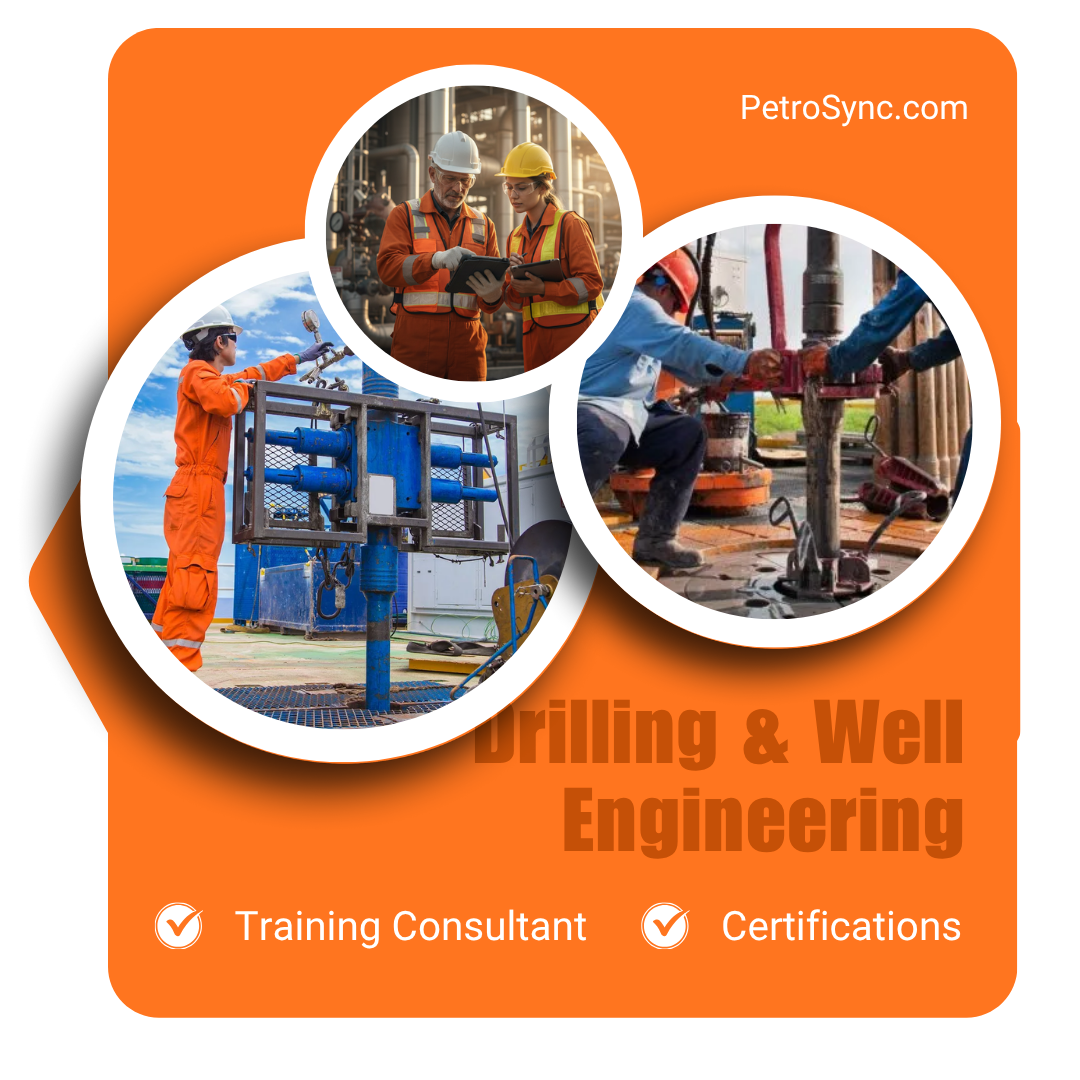


Mechanical design training is becoming essential for engineers and organizations aiming to stay ahead in today’s fast-evolving engineering landscape. As equipment becomes more complex, safety regulations more stringent, and operational risks higher, relying solely on experience is no longer sufficient.
Mechanical design training not only enhances existing skills but also future-proofs engineering capability, strengthens reliability, and sharpens decision-making in high-stakes environments.
This article explores why mechanical design training is critical, how it helps engineers overcome real-world challenges, who benefits most, and how a structured program can transform organizational performance.
Why Mechanical Design Training Matters More Than Ever in Modern Engineering

Mechanical design training is essential in today’s engineering landscape due to several key factors:
1. Rapid Technological Evolution
Engineering tools have evolved from simple drafting software to advanced simulation environments, predictive analytics, and AI-assisted design workflows. Engineers who master these tools deliver optimized results faster and with higher accuracy.
2. Safety and Reliability Demands
In industries like oil and gas, even a minor design error can trigger significant operational or safety failures. Modern training fosters a proactive mindset toward equipment integrity and system safety.
3. Cost Efficiency & Lifecycle Optimization
Well-designed systems last longer and operate more efficiently. Engineers trained in advanced design methods can minimize maintenance costs, prevent unplanned downtime, and extend asset life.
4. Complex Regulatory & Standards RequirementsCompliance with global standards such as
ASME, API, and ISO is mandatory. Training ensures engineers meet international best practices, reducing non-conformance risk and strengthening operational credibility.
5. Talent Retention and Engagement
Investing in professional development signals that an organization values its people. This boosts engagement, retention, and overall technical capability.
Mechanical Design Training to Overcome Real-World Engineering Challenges
To achieve tangible results, mechanical design training must address the challenges engineers face daily:
1. Advanced Mechanical Design & Engineering Calculations
Engineers refine mastery of stress analysis, fatigue evaluation, vibration assessment, and thermodynamics. Training ensures precise calculations, validated assumptions, and robust designs capable of withstanding operational demands.
2. Simulation, Modeling & Failure Analysis
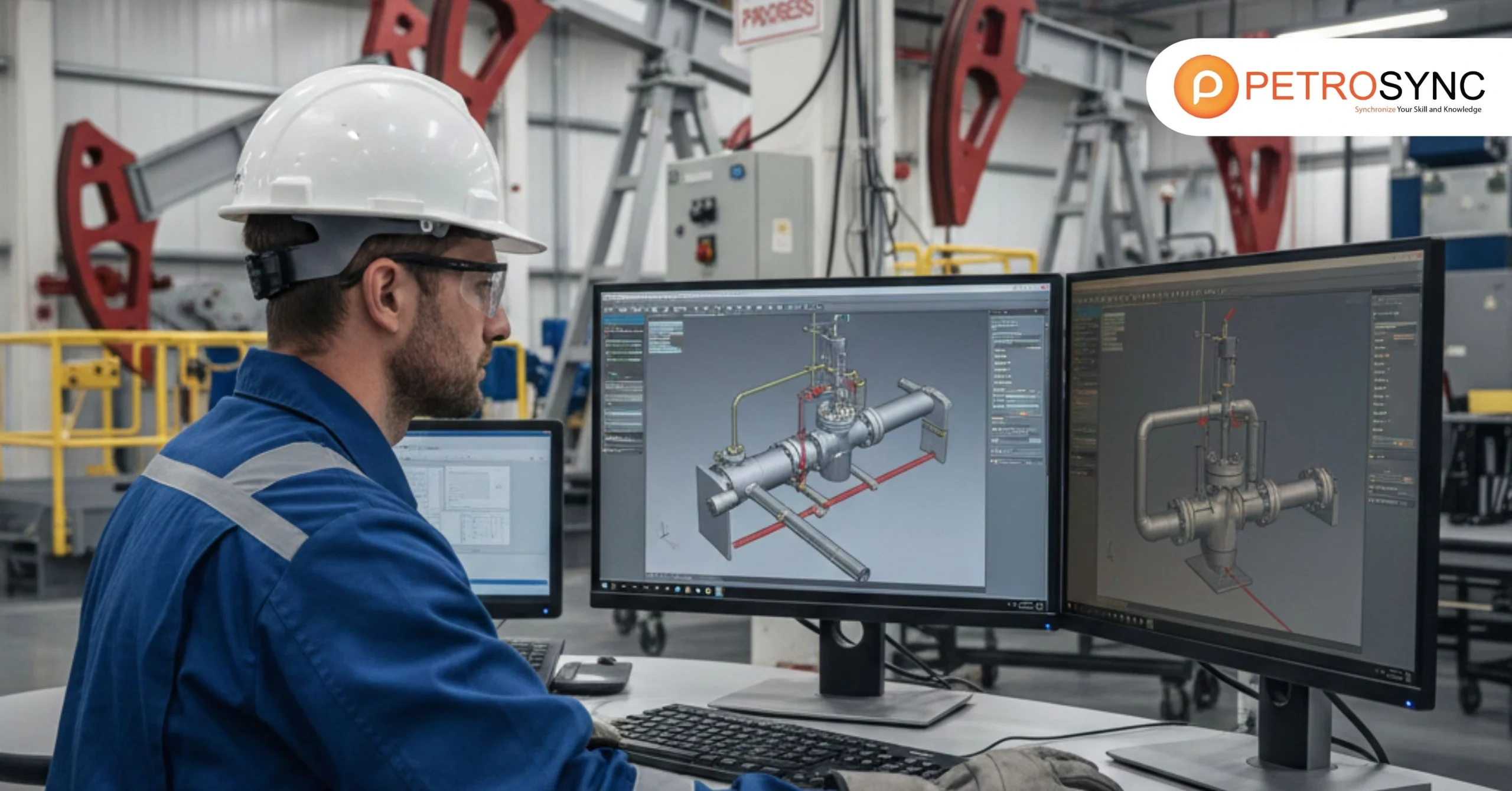
Modern programs focus on simulation techniques such as finite element analysis (FEA), computational fluid dynamics (CFD), and dynamic system modeling. By predicting failure scenarios early, engineers can redesign systems before costly breakdowns occur, reducing development cycles and prototype costs while enhancing confidence in their designs.
3. Improving Equipment Safety, Efficiency & Reliability
Reliability-focused modules teach predictive maintenance strategies, root cause analysis, and fault-tolerant design principles. These approaches significantly reduce downtime, maintenance costs, and safety incidents, while extending asset life across operations.
4. Meeting Global Code & Standard Requirements
Engineers gain expertise in international design codes and industry standards. Mastery of ASME, API, and ISO principles ensures technical quality, regulatory compliance, and audit readiness.

How Mechanical Design Training Future-Proofs Engineering Careers & Leadership Potential
Mechanical design training goes beyond technical skills. It develops leadership and strategic thinking capabilities:
1. Stronger Technical Judgment & Critical Decision-Making
Trained engineers develop sharper judgment, enabling data-driven decisions even under high-risk or uncertain conditions. This reduces the likelihood of costly mistakes and improves overall operational safety.
2. Faster Problem-Solving & Increased Productivity
Engineers trained in advanced design methodologies can identify root causes quickly instead of relying on trial-and-error, boosting productivity and reducing downtime.
3. Competitive Advantage and Leadership Pathway
Engineers with specialized skills can lead design reviews, mentor junior staff, and drive innovation. Over time, they become strategic contributors and potential leaders in plant operations and engineering governance.
4. Ability to Manage Complex & High-Risk Engineering Systems
Training equips engineers to foresee failure scenarios, design fail-safe systems, and manage complex operations with confidence. This builds trust across teams and strengthens leadership credibility.
Who Gains the Greatest Advantage from Mechanical Design Training
Certain roles benefit most from specialized mechanical design training:
1. Engineers Seeking Technical Mastery & Design Accuracy
Design engineers and stress analysts improve analytical rigor, simulation skills, and compliance knowledge, enhancing output quality and confidence in critical decisions.
2. Engineering and Plant Leaders Focused on Risk & Reliability
Superintendents, maintenance managers, and reliability engineers gain teams that are accurate, proactive, and self-sufficient, reducing failure rates and improving safety and efficiency.
3. HR & Training Development Managers Driving Capability Growth
Organizations investing in upskilling programs see measurable ROI: improved operational performance, better compliance adherence, and a culture of continuous improvement. Studies show employee training in engineering disciplines positively correlates with increased productivity, reduced maintenance costs, and stronger operational performance.
Transform Your Engineering Capability with PetroSync Mechanical Design Training
Investing in mechanical design training is a strategic decision with long-term impact. PetroSync Training is specifically designed for senior engineers, managers, and technical leaders in high-stakes industries like oil and gas.
Our program offers:
- Comprehensive modules on advanced calculations, simulation, and failure analysis
- Hands-on exercises aligned with industry standards and global codes
- Real-world case studies bridging theory and practice
- Cross-functional learning connecting design, reliability, and maintenance teams
Why choose PetroSync:
- Instructors are seasoned industry professionals with real operational experience
- Emphasis on practical, immediately applicable tools and frameworks\
- Strengthens leadership potential while enhancing technical competency
Organizations that invest in this training achieve stronger decision-making, increased productivity, reduced failure rates, and measurable improvements in reliability and efficiency. By partnering with PetroSync, you develop a future-proof engineering team ready to deliver safe, reliable, and optimized solutions while driving business performance forward.

Results-oriented and thorough SEO specialist with extensive experience in conducting keyword research, developing and implementing digital website promotion strategies and plans, managing campaigns to develop company websites in the digital world, excellent knowledge of marketing techniques and principles, and attentive strong attention to detail.