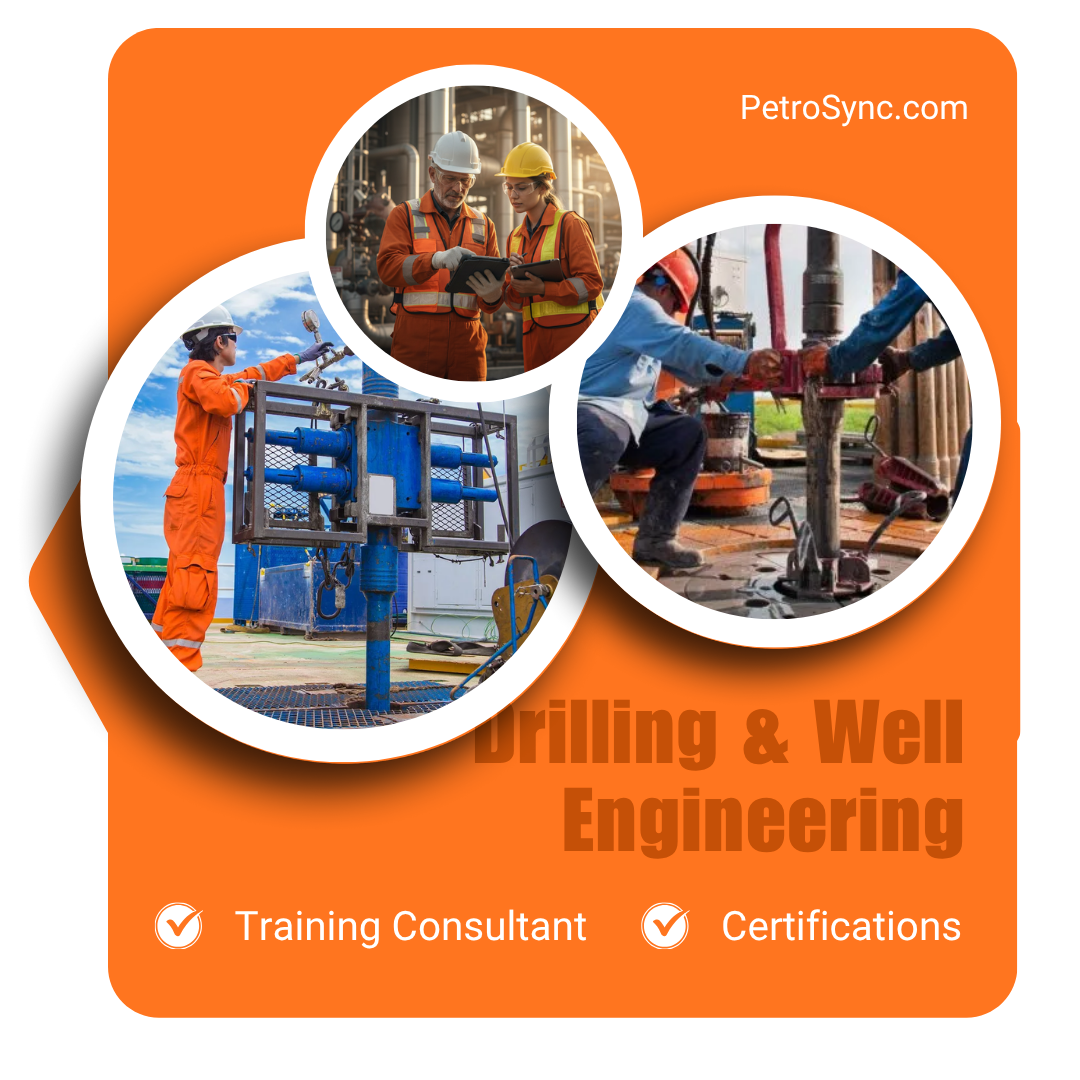


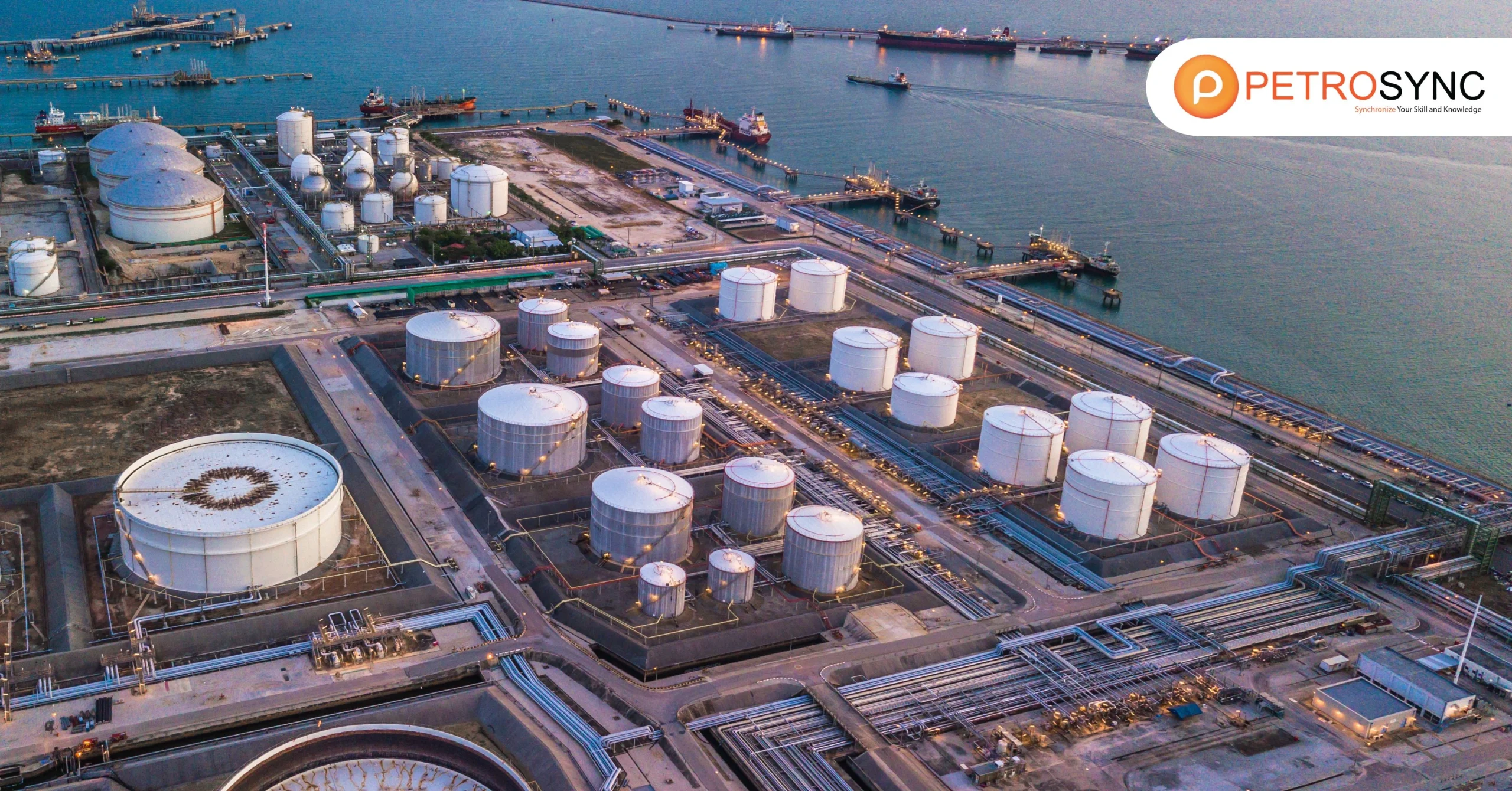
Oil and gas drilling plays a defining role in shaping the performance, safety, and profitability of modern energy operations. In today’s highly competitive landscape, drilling is no longer just a mechanical task—it’s a high-stakes, strategic process that demands precision, real-time responsiveness, and deep technical mastery.
From onshore developments to ultra-deepwater projects, every well drilled reflects a decision that impacts operational timelines, financial outcomes, and environmental accountability. For executives, managers, and senior engineers, the drilling campaign is not only about the equipment used—but about the people behind the plan.
Success comes from the synergy of engineering insight, data-driven decisions, and world-class competency. In this article, we explore what makes drilling essential, how it works in practice, and why equipping your team with the right knowledge can unlock faster, safer, and more reliable results in the field.
What is Drilling in Oil and Gas?
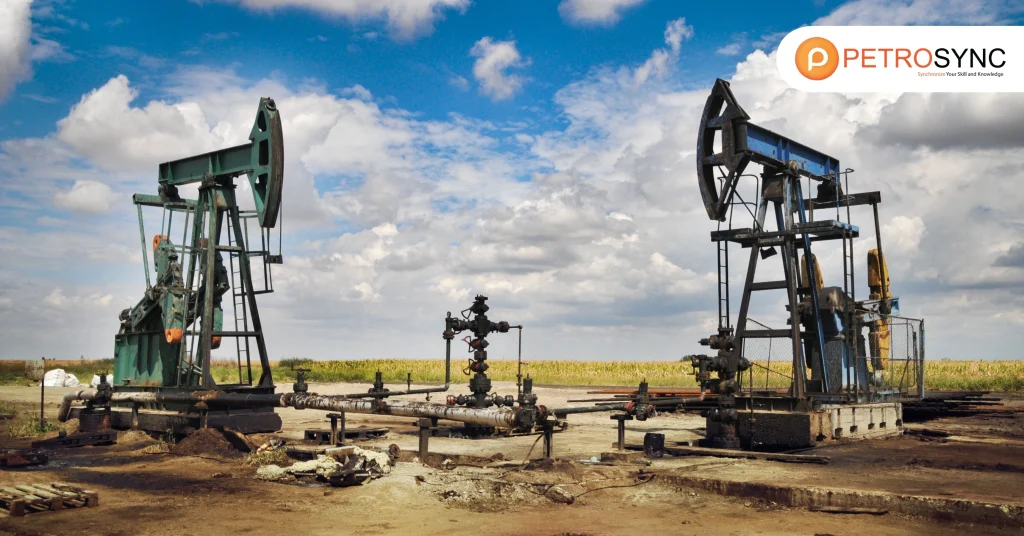
Oil and gas drilling is the core process of penetrating the Earth’s surface to access subsurface hydrocarbon reserves. It involves rotating drill bits that cut through rock layers, guided by geological data and sophisticated control systems. This process is far more than just mechanical work—it’s a combination of engineering disciplines, including geology, fluid mechanics, and increasingly, real-time digital monitoring.
There are several drilling categories used depending on reservoir characteristics and operational goals:
- Vertical Drilling: A traditional method aimed straight down to reach target zones.
- Directional and Horizontal Drilling: Designed to maximize reservoir exposure from fewer surface locations.
- Offshore and Deepwater Drilling: Conducted in marine environments, these operations involve higher pressures, logistics complexity, and technical risk.
Modern oil and gas drilling is no longer a trial-and-error task. With advanced seismic imaging, downhole sensors, and predictive analytics, drilling today is precise, adaptive, and deeply strategic. In an environment where one error could cost millions, the right expertise ensures every well is safe, efficient, and profitable.
Why is Oil and Gas Drilling Important?
Oil and gas drilling is essential for ensuring global energy access, economic growth, and technological advancement across the energy sector. Over 80% of the world’s current energy demands are still met by fossil fuels, and the backbone of that supply lies in drilling operations that access, extract, and deliver hydrocarbons to market.
Drilling also drives direct and indirect employment, infrastructure development, and technological progress. A single successful well doesn’t just add barrels—it creates value across the supply chain. Innovations such as rotary steerable systems, managed pressure drilling, and intelligent completions have reshaped what’s possible underground.
Without continuous drilling, reserves decline, energy markets destabilize, and progress stalls. That’s why drilling remains not just relevant—but critical to meeting the world’s short- and mid-term energy needs, while also supporting the transition toward smarter, more sustainable operations.
How does Oil and Gas Drilling Work?
Oil and gas drilling operations follow a structured sequence involving site preparation, well construction, and production setup. Each phase requires precision planning, expert coordination, and real-time decision-making to ensure both efficiency and safety.
Here’s a streamlined breakdown of the process:
- Pre-Drilling (Site Selection & Planning): Seismic surveys, geological modeling, and risk assessments are used to determine optimal well placement.
- Spudding the Well: The surface hole is drilled, cased, and cemented to prevent collapse and shallow gas hazards.
- Deeper Drilling & Directional Control: Using drilling mud for pressure balance, engineers drill to reservoir depth while adjusting trajectory using downhole tools.
- Well Logging & Evaluation: Logging tools gather formation data to evaluate reservoir quality, porosity, and pressure.
- Well Completion: Casing, tubing, and perforations are installed, allowing hydrocarbons to flow to the surface under controlled conditions.
- Production Phase: Fluids are transported to surface facilities, with monitoring systems tracking performance and safety.
Each stage is critical. Errors in mud weight, formation pressure estimation, or casing depth can lead to lost circulation, formation damage, or even blowouts. That’s why highly skilled personnel, supported by structured training, are essential to successful well delivery.

Is Oil and Gas Drilling Renewable?
Oil and gas drilling extracts non-renewable resources—yet the methods and technologies surrounding it are evolving to align with global sustainability goals. The modern approach to drilling incorporates both environmental responsibility and operational innovation.
Key sustainability practices include:
- Closed-loop systems that minimize fluid waste and environmental discharge
- Pad drilling that reduces land use by accessing multiple wells from a single site
- Hybrid rig systems that cut down emissions and fuel consumption
- Geothermal crossover where similar drilling techniques are applied to renewable heat resources
While hydrocarbons are finite, the drilling discipline is transforming. By improving efficiency, reducing emissions, and applying learnings to alternative energy applications, the industry continues to play a central role in the global energy transition—bridging today’s demand with tomorrow’s clean technologies.
PetroSync Training: Join the Leaders in Technical Excellence
Oil and gas drilling excellence depends not only on cutting-edge tools but on the minds behind them. In high-stakes environments, technical expertise is your most powerful differentiator. As drilling becomes more sophisticated, professionals must stay ahead of operational, safety, and strategic challenges through world-class training and insight.
This is where PetroSync delivers unmatched value. Our industry-recognized training in Drilling and Well Engineering equips engineers, superintendents, and managers with practical frameworks, proven methodologies, and exposure to the latest technologies—from MPD to rotary steerables.
In high-stakes drilling operations, where both safety and speed define success, technical expertise is no longer just a requirement—it’s a strategic edge. Companies that invest in their team’s technical capabilities consistently outperform in efficiency, safety, and cost control.
PetroSync’s programs are built to help you reduce NPT, optimize well delivery, and elevate your operational performance—all grounded in real-world case studies and global best practices.

Results-oriented and thorough SEO specialist with extensive experience in conducting keyword research, developing and implementing digital website promotion strategies and plans, managing campaigns to develop company websites in the digital world, excellent knowledge of marketing techniques and principles, and attentive strong attention to detail.