

Oil and gas pipeline systems play a crucial role in ensuring seamless transportation of hydrocarbons across vast distances—from remote drilling sites to refineries and export terminals. Far from being a passive infrastructure, these pipelines actively drive operational flow, reduce downtime, and minimize risk across the supply chain.
Often underestimated, pipelines are the spine of power logistics. Their non-stop and automatic operations provide cost-efficiency and security some distance foremost to regular transport modes like trucking or rail. As the enterprise faces increasing regulatory pressure, growing older assets, and the want for safer, smarter infrastructure, the strategic significance of pipeline reliability has by no means been higher.
To truly understand how pipelines create business value, let’s explore their types, components, and how organizations can strengthen pipeline performance through smarter choices and skilled professionals.
What is a pipeline in oil and gas?
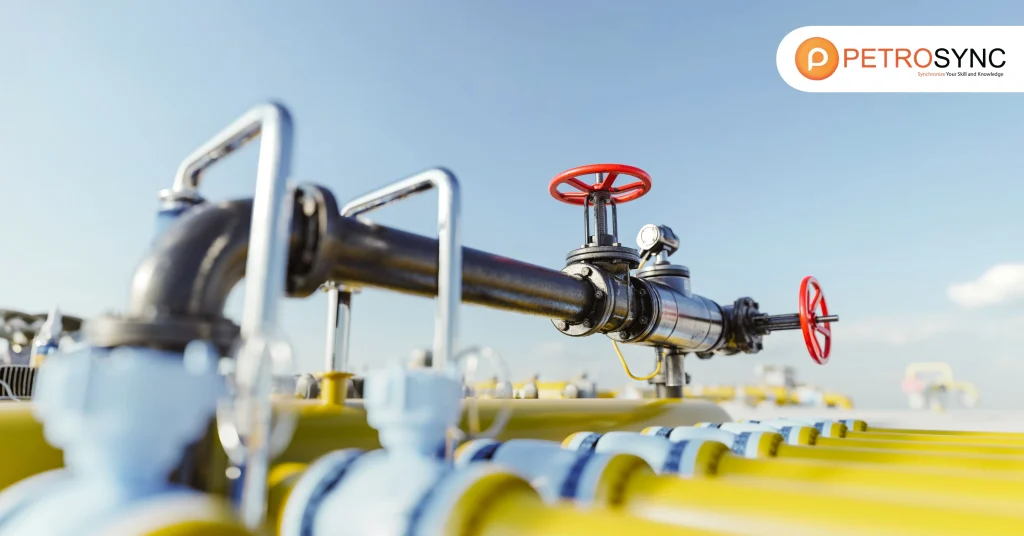
Oil and gas pipeline are purpose-built systems that transport crude oil, natural gas, and refined products from the point of production to refineries, storage facilities, or end-users. These pipelines are designed to endure high pressure, long distances, and harsh environments—ensuring efficiency while minimizing environmental impact and operational risk.
Unlike trucks or tankers, pipelines provide uninterrupted flow and lower exposure to external disruptions. This translates to more predictable delivery schedules, better cost control, and higher operational uptime—making pipelines not just a transportation method, but a critical asset in any integrated energy operation.
What type of pipe is used in oil and gas?
Pipes used in oil and gas operations must withstand demanding mechanical, thermal, and chemical conditions. That’s why material selection is a critical design consideration. The most widely used pipe material is carbon steel, known for its strength, durability, and cost-effectiveness—especially in high-pressure, high-temperature applications.
In corrosive environments, such as those containing sour gas (H₂S) or seawater exposure, companies often choose corrosion-resistant alloys (CRA) or stainless steel to ensure longevity and structural safety. For offshore or dynamic terrain, flexible composite pipes offer better performance due to their adaptability and layered protection.

What are the components of an oil and gas pipeline?
A modern oil and gas pipeline system is a complex network of integrated components designed to ensure safe, efficient, and controlled fluid transport. Understanding these parts is key to maintaining system integrity and preventing failures.
Here are the core components:
- Pipeline body – The main conduit, typically made from carbon or alloy steel
- Valves – Enable flow control, isolation for maintenance, and emergency shutdowns
- Pumps and compressors – Maintain pressure for liquids or gas respectively
- Pig launcher and receiver – Allow pipeline cleaning and internal inspection without service interruption
- Metering stations – Monitor flow rate, pressure, and detect anomalies in real time
- Cathodic protection systems – Reduce external corrosion in buried or subsea lines
- SCADA systems – Provide centralized monitoring and remote control, enhancing operational agility
Each element plays a critical role in minimizing risk and maximizing efficiency. A failure in just one area can result in loss of product, environmental damage, or costly downtime—issues that no operator can afford in today’s high-stakes market.
How many types of pipes are there in oil and gas?
The types of pipes used in oil and gas vary depending on their intended application, environment, and operating pressure. Broadly, they fall into three main categories:
1. Seamless Pipes
Manufactured without welds, these pipes offer superior strength and integrity, making them ideal for high-pressure operations. Their uniform structure reduces the chance of weak spots and crack formation under stress.
2. Welded Pipes (ERW, LSAW)
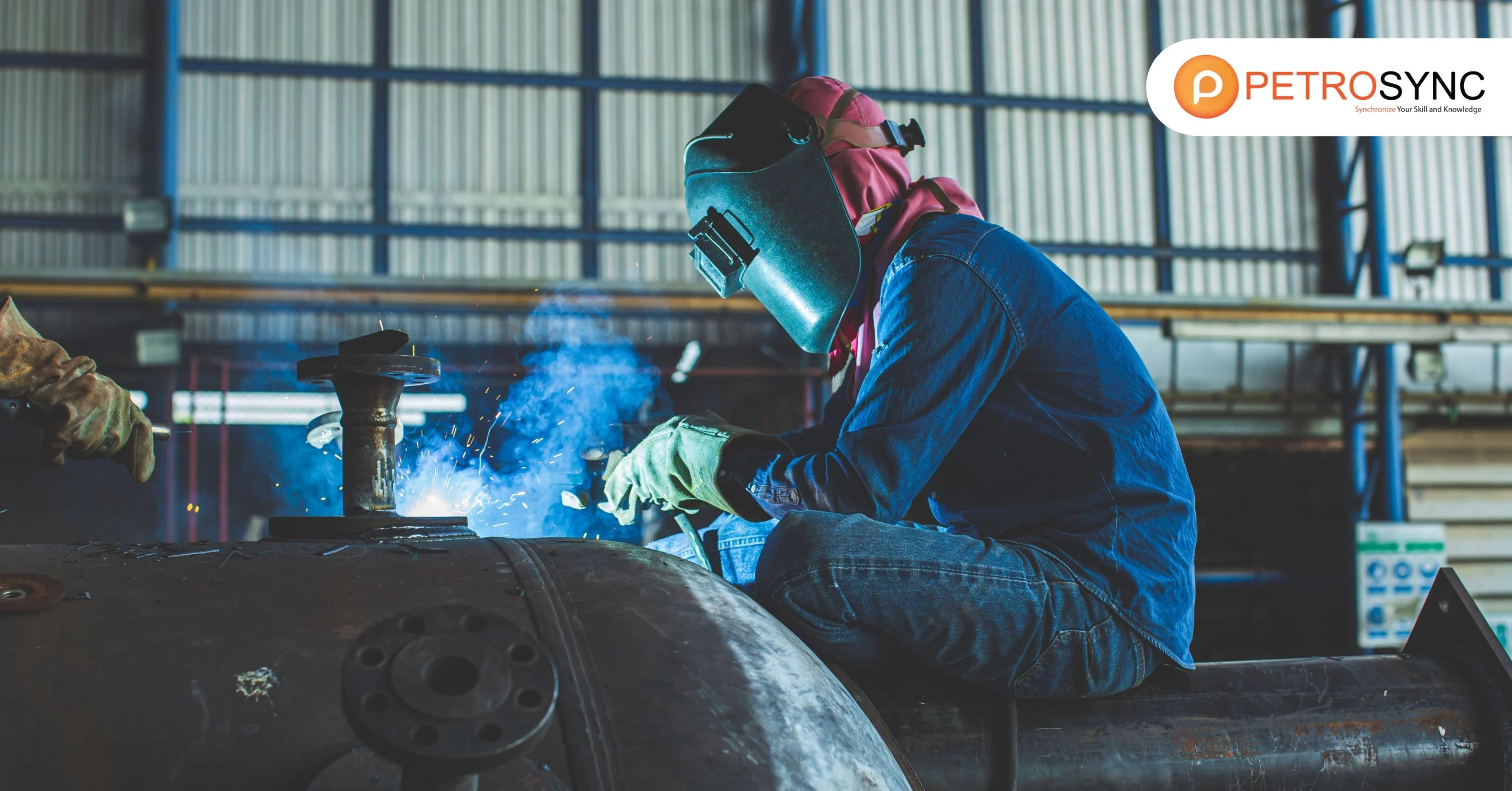
Manufacturers create these by rolling and welding steel plates. They offer a more economical option than seamless pipes and serve widely in onshore transmission lines. Modern manufacturing has improved their durability, allowing for safe use even under moderate pressure conditions.
3. Flexible Pipes
Built with multiple layers—including polymer liners, reinforcements, and insulation—flexible pipes excel in offshore and dynamic settings. They can absorb ground movement, temperature shifts, and subsea pressure changes without structural failure.
Each pipe type is engineered for specific performance goals. Choosing the right one is crucial not just for efficiency but for long-term safety and regulatory compliance. Optimizing pipe selection based on service conditions reduces failures and significantly extends pipeline lifespan.
Join PetroSync’s Hands-On Training for Real-World Results
In today’s high-stakes oil and gas environment, technical knowledge alone is no longer enough. What truly sets top-performing professionals apart is their ability to apply that knowledge decisively—especially in real-time, high-pressure situations. This is where PetroSync’s pipeline training programs make a real impact.
Designed to bridge theory and field application, our training empowers engineers, supervisors, and managers to enhance system reliability, reduce downtime, and stay fully aligned with international codes and standards like API and ASME. With a strong focus on hands-on learning, each session is led by seasoned industry experts who understand the operational challenges you face.
From real-world simulations to practical case studies, PetroSync prepares you to lead with clarity and confidence—whether you’re in charge of pipeline integrity, inspection planning, or risk mitigation. Join thousands of professionals across the industry who have sharpened their skills through PetroSync and experienced real operational improvements. Now is the time to invest in capability, not just compliance.

Results-oriented and thorough SEO specialist with extensive experience in conducting keyword research, developing and implementing digital website promotion strategies and plans, managing campaigns to develop company websites in the digital world, excellent knowledge of marketing techniques and principles, and attentive strong attention to detail.