

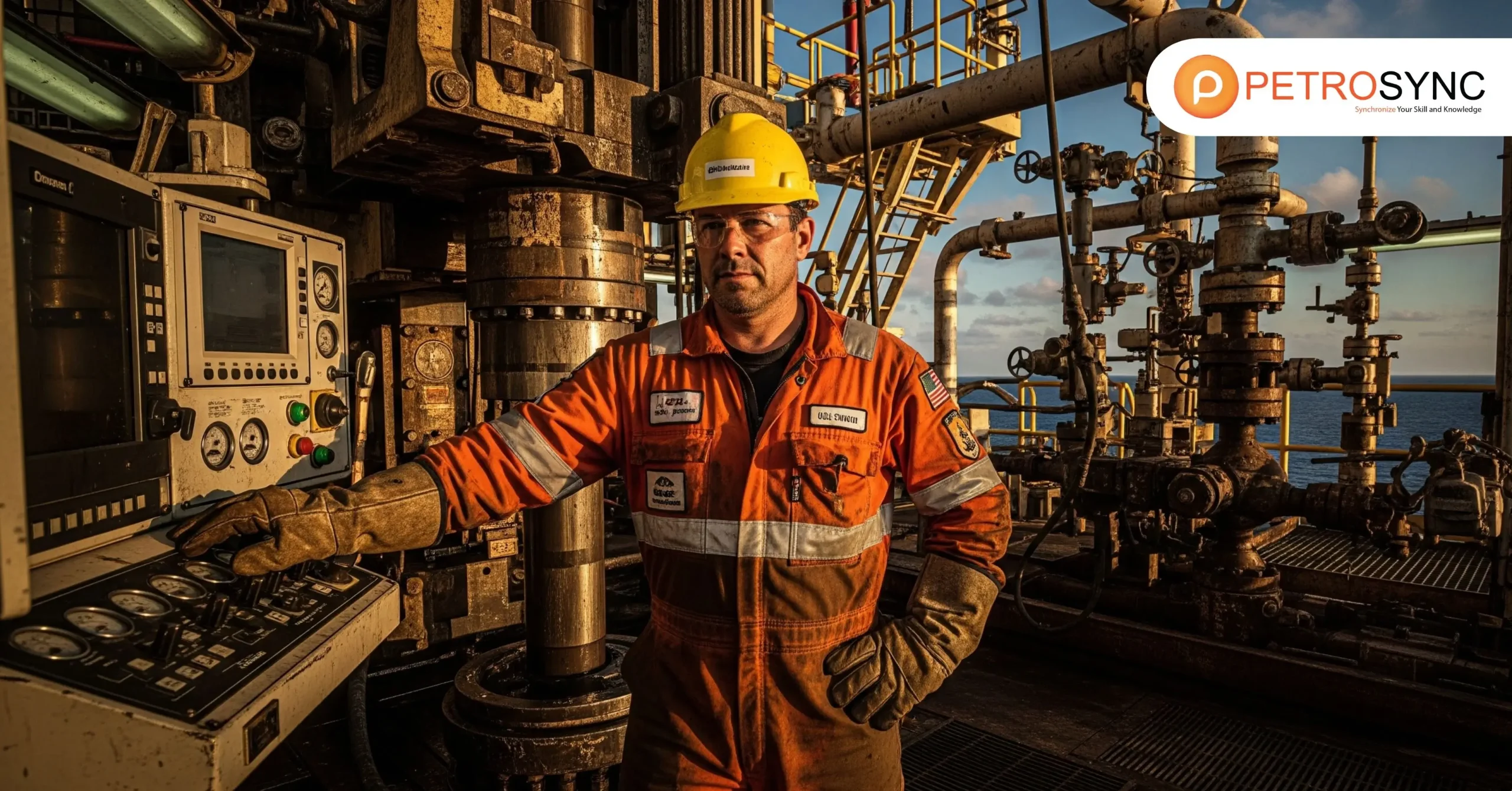
The petroleum industry has always played a central role in shaping global energy security and economic development. However, in recent years, the sector has entered a new era—one defined by groundbreaking innovation, digital transformation, and sustainability. These advancements are not just about increasing production.
They are fundamentally changing how companies operate, engineers design projects, and leaders make decisions. Before exploring the detailed impact of these changes, let’s first look at the innovations redefining the future of petroleum engineering.
What Are the Latest Innovations in the Petroleum Industry?
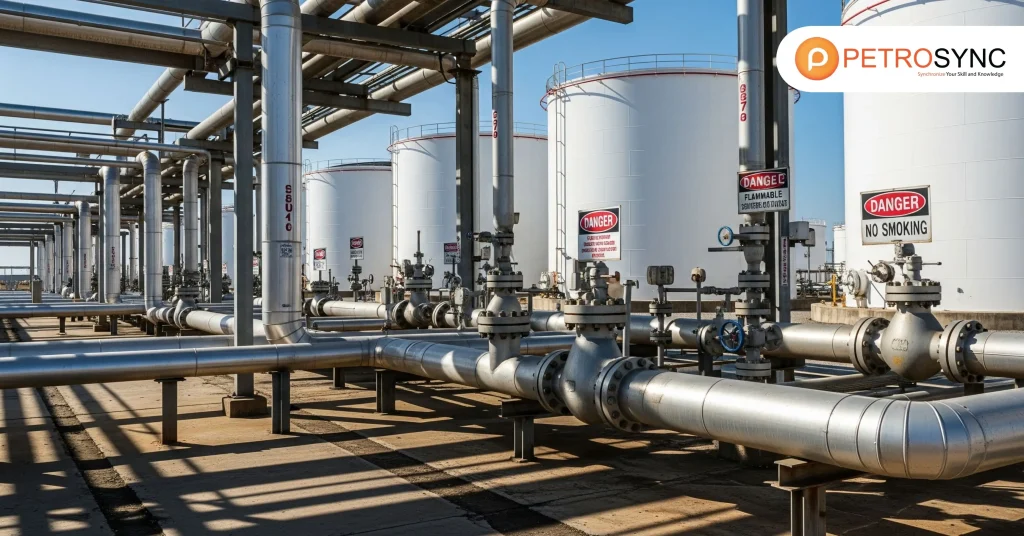
The industry is no longer solely driven by conventional exploration and extraction. Instead, it is adopting high-tech solutions that balance efficiency, profitability, and environmental responsibility.
1. How Digital Technologies and AI Are Applied
Artificial Intelligence (AI), machine learning, and predictive analytics are becoming essential in petroleum operations. From predictive maintenance of drilling equipment to real-time reservoir modeling, these tools are streamlining processes and reducing risks.
A global study by McKinsey found that digital adoption in oil and gas could generate over $250 billion in value by 2030, primarily through reduced downtime and improved asset efficiency. This demonstrates the transformative impact of AI—not as an optional tool but as a critical driver of competitive advantage.
2. What Advanced Drilling and Extraction Techniques Are Emerging
Modern drilling is no longer limited to vertical wells. Innovations such as horizontal drilling, multilateral wells, and enhanced oil recovery (EOR) methods have enabled companies to access reserves that were once out of reach.
For example, hydraulic fracturing combined with horizontal drilling has unlocked massive shale formations, reshaping global energy supply. Additionally, advanced EOR methods like CO₂ injection have shown to increase recovery rates by 10–15% beyond primary extraction, according to research published in the Society of Petroleum Engineers (SPE) Journal.
3. How Sustainable Practices Reduce Emissions
Sustainability has become a cornerstone of innovation in petroleum. Companies are adopting carbon capture, utilization, and storage (CCUS), flare gas recovery systems, and renewable energy integration in upstream operations.
The International Energy Agency (IEA) estimates that CCUS technologies alone could deliver around 15% of the cumulative emission reductions needed by 2070. This highlights how sustainability practices are not just about compliance but essential for long-term industry viability.
How Do These Innovations Impact Petroleum Engineering?
The innovations shaping petroleum today directly redefine the responsibilities and skills of petroleum engineers.
1. Improving Operational Efficiency and Safety
Automation and remote monitoring have significantly reduced downtime and enhanced safety. Engineers can now oversee drilling operations from remote centers, limiting on-site exposure while maintaining precision. This not only improves efficiency but also safeguards the workforce.
2. Reducing Costs and Optimizing Resources
Digital twin technologies allow engineers to simulate entire drilling scenarios before execution. Research highlights that this approach can reduce project planning costs by as much as 25%, thanks to minimized trial-and-error. Resource optimization is no longer about guesswork—it’s about data-driven decision-making.
3. Supporting Better Decision-Making and Project Management
With access to real-time analytics, project managers can make smarter decisions on scheduling, budgeting, and resource deployment. This empowers leaders to respond more effectively to market volatility, enhancing both operational resilience and profitability.
What Opportunities Do These Innovations Create for the Future?
These advancements create new opportunities beyond traditional oil and gas operations. Engineers and leaders can now engage in hybrid projects that integrate renewables, spearhead low-carbon initiatives, and develop energy systems aligned with global climate goals.
For professionals, this means acquiring interdisciplinary expertise—not only in engineering but also in digital technologies and sustainability frameworks. Those who embrace these opportunities will be best positioned to lead in the global energy transition.

What Challenges Must the Petroleum Industry Overcome Today?
While innovation brings promise, the industry faces critical challenges. Regulatory pressures, high capital investment requirements, and the demand for rapid workforce reskilling remain top concerns.
At the same time, energy companies must navigate geopolitical risks and fluctuating market conditions. The real challenge lies in achieving profitability while committing to decarbonization and maintaining social license to operate.
Why Staying Updated on Petroleum Innovations is Critical for Your Career
For engineers, managers, and executives, keeping up with innovation is a career imperative.
1. Mastering New Technologies to Stay Competitive
Proficiency in AI, automation, and advanced extraction technologies positions professionals as valuable assets in an increasingly digital industry.
2. Understanding Sustainable Practices for Future-Ready Projects
By mastering CCUS, low-carbon design, and renewable integration, professionals ensure their projects remain viable and compliant with future regulations.
3. Enhancing Skills to Solve Modern Engineering Challenges
Complex problems in today’s petroleum sector require more than technical skills. Leaders must combine engineering expertise with strategic thinking, data-driven insights, and sustainability knowledge to achieve success.
How Can You Advance Your Career with PetroSync Training
The petroleum industry’s rapid transformation demands professionals who are not only technically capable but also visionary in applying innovation and sustainability. This is where continuous learning becomes critical. PetroSync offers specialized training designed for senior engineers, managers, and executives who want to stay ahead in the evolving petroleum landscape.
From mastering advanced drilling and well engineering techniques to gaining expertise in project management and reliability, these programs equip professionals with the practical tools needed to drive operational excellence and leadership.
By joining PetroSync training, you position yourself not just to adapt—but to lead. In a competitive market, the knowledge and skills you gain today will define your success tomorrow.

Results-oriented and thorough SEO specialist with extensive experience in conducting keyword research, developing and implementing digital website promotion strategies and plans, managing campaigns to develop company websites in the digital world, excellent knowledge of marketing techniques and principles, and attentive strong attention to detail.