


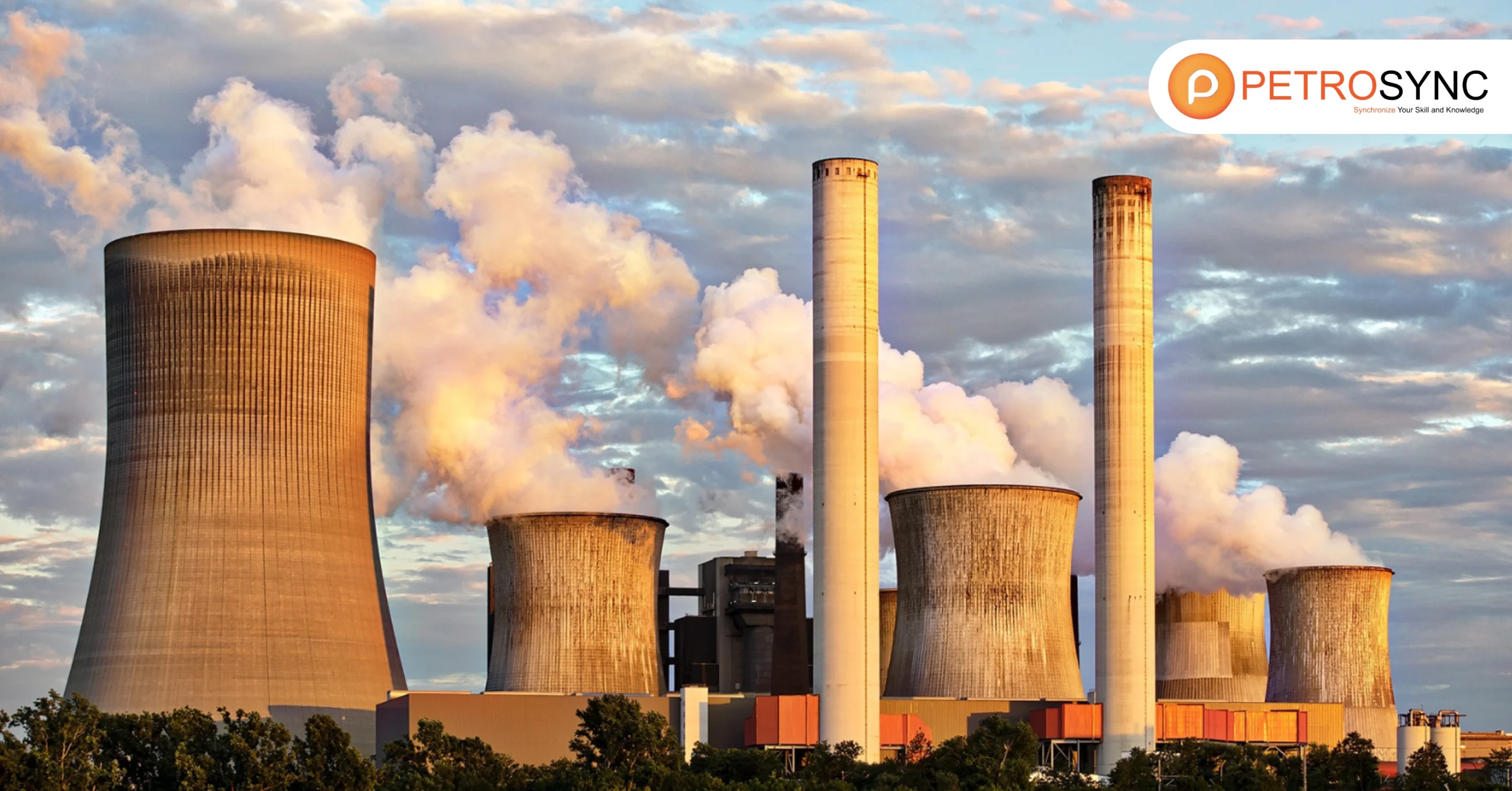
- Power Plant Excellence is the foundation of energy stability, keeping industries, hospitals, and digital systems running without costly and dangerous interruptions.
- Small efficiency gains matter: a 1% improvement can save millions in costs and cut emissions, while digital monitoring can boost reliability up to 50%.
- A plant runs on tightly linked systems—turbines, generators, boilers, cooling, and controls—where minor faults can quickly escalate into major outages.
- Reliability comes from predictive maintenance, real-time monitoring, lifecycle asset management, and disciplined engineering practices.
- Future-ready plants invest in workforce skills, digital tools, and low-carbon tech to handle rising demand, grid complexity, and sustainability pressure.
Power Plant Excellence is essential for ensuring uninterrupted electricity, supporting the heartbeat of modern industries and everyday life. Every sector—from critical healthcare facilities and large-scale manufacturing to digital infrastructure and national defense—relies on steady and dependable power to operate without disruption.
Behind the simplicity of flipping a switch lies an intricate combination of engineering mastery, operational reliability, and strategic maintenance that keeps energy flowing 24/7.
For senior leaders, engineers, and decision-makers responsible for plant performance, achieving excellence is not merely about operating equipment;
it is about securing national energy stability, protecting economic continuity, and driving long-term sustainability. A single unplanned outage can trigger serious consequences—halting production, damaging equipment, or interrupting essential public services.
Research published in the International Journal of Energy Economics and Policy notes that improving power generation efficiency by just 1% can drive millions of dollars in savings for energy producers annually and significantly reduce CO₂ emissions.
Another study by McKinsey & Company highlights how enhanced maintenance and digital monitoring can improve reliability by 30–50%, reducing forced outages and maximizing asset lifespan.
What is in a Power Plant?
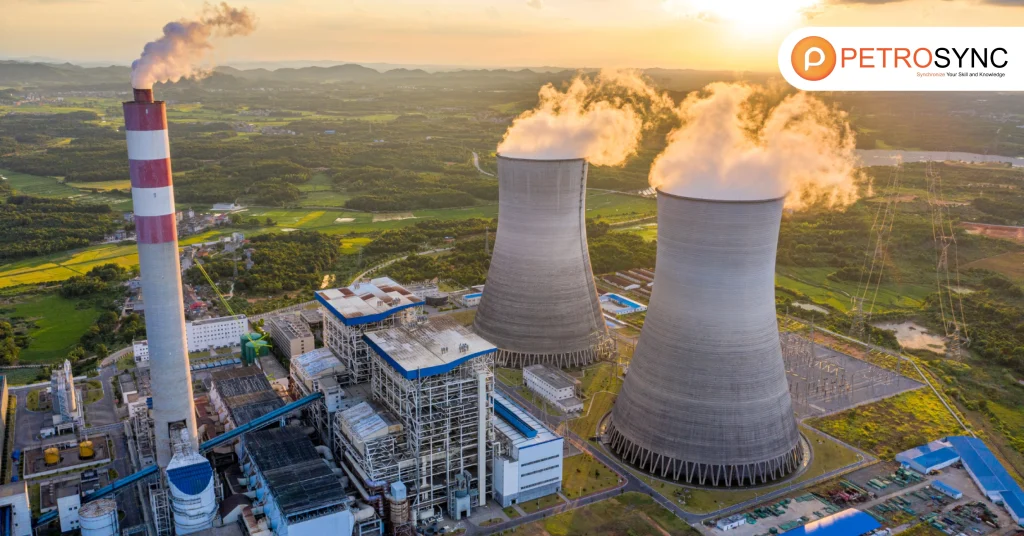
A power plant is a tricky facility composed of interconnected constructions working together to generate and distribute electricity. At its core, an electrical energy plant consists of the following key components:
1. Prime Mover: Converts energy from fuel (coal, gas, nuclear, etc.) into mechanical energy. This is normally a turbine.
2. Generator: Converts mechanical strength into electrical power via electromagnetic induction.
3. Boiler or Reactor: Where gasoline is burned or nuclear fission happens to generate heat.
4. Condenser and Cooling Systems: Help cast off extra warmness and keep machine stability.
5. Control and Protection Units: Ensure safe, stable, and environment friendly operations.
These elements ought to be maintained with precision. Even minor troubles can boost into luxurious outages or protection hazards. That’s why leaders in the energy enterprise focal point closely on predictive maintenance, effectivity improvements, and operator competency.
Why is a Power Plant the Backbone of Global Energy Security?
Power plants are the core infrastructure that ensures nations maintain control over their energy supply. Without them, nearly all vital systems would collapse—from transportation and medical systems to industrial productivity and household comfort. Stable power determines a country’s economic competitiveness, industrial capability, and public safety.
When power generation falters, the impact spreads instantly:
1. Manufacturing stops, causing revenue and material losses.
2. Hospitals face life-threatening conditions.
3. Telecommunications and digital platforms crash.
4. National defense and emergency systems are compromised.
Countries with reliable power generation record significantly higher GDP growth and industrial output, according to a report by the World Bank, which correlates energy stability with national economic performance. Simply put, the reliability of electricity defines the reliability of nations.
How a Power Plant Generates Reliable Electricity
Power generation involves converting a primary energy source into electrical power through controlled engineering processes. Although the technology varies across plant types, the fundamental flow is consistent:
1. Fuel or natural resource converts to heat, mechanical, or kinetic energy
2. Energy drives turbines
3. Turbines spin generators
4. Generators transform mechanical energy into electrical energy
5. Electricity is conditioned and transmitted through high-voltage lines
6. Power reaches the grid and end users
Achieving reliability is not only about capacity—it is about precision, system balance, and engineering discipline across every stage.

Understanding Power Plant Types and Key Components Driving Performance
1. Thermal Power Plant (Coal, Gas, Oil)
Thermal plants generate steam by burning fuel, which rotates turbines connected to generators. They dominate global electricity supply due to stable output and controllability. Modern efficiency improvements such as combined-cycle gas turbines enhance output dramatically by utilizing waste heat for additional power generation.
2. Hydroelectric Power Plant
Hydropower converts water flow into mechanical force. Known for long asset life and renewable nature, hydro remains one of the most efficient energy sources—often achieving efficiency rates above 90%, higher than any other generation technology.
3. Nuclear Power Plant
Nuclear plants harness atomic fission to generate steam. They provide large-scale base load power and operate continuously for long cycles, making them key to zero-carbon goals. According to the International Atomic Energy Agency (IAEA), nuclear facilities deliver some of the most stable and predictable electricity outputs globally.
4. Renewable Energy Power Plant (Solar, Wind, Geothermal)
Renewables are rapidly expanding due to sustainability demands and technology improvement. Wind and solar require strong grid management due to intermittency, while geothermal provides round-the-clock renewable power. Countries leading in renewables have seen measurable cost reductions and long-term resilience improvements.
Essential Power Plant Engineering Principles Every Professional Must Know
1. Energy Conversion & Thermodynamics
Efficiency is determined by energy conversion cycles such as Rankine and Brayton cycles. Higher cycle efficiency means lower fuel consumption, fewer emissions, and higher profitability.
2. Electrical Systems & Grid Integration
Stable generation requires synchronized voltage and frequency control, load balancing, and protection systems. Grid disturbances without rapid correction lead to outages or cascading failures.
3. Safety Protocols & HSE Compliance
Power plants operate under strict standards such as OSHA, NFPA, and IEC because electrical, mechanical, thermal, and radiation hazards demand rigorous control. Strong safety culture reduces human factors, downtime, and legal risk.
4. Strategies for Efficiency & Operational Reliability
Core improvement strategies include:
– Predictive & condition-based maintenance
– Digital twin & real-time monitoring
– Asset lifecycle management
– Turbine and boiler modernization
– Heat rate optimization programs
Plants adopting digital reliability programs have shown up to 25% reduction in maintenance costs and 50% fewer equipment failures, according to multiple industrial benchmarking studies.
Proven Power Plant Maintenance Strategies to Maximize Uptime and Efficiency
For uninterrupted power delivery, maintenance must be strategic, proactive, and data-driven. Best practices include:
1. Reliability-Centered Maintenance (RCM)
2. Root Cause Failure Analysis (RCFA)
3. Vibration analysis & thermography
4. Gas path and performance monitoring
5. Planned outage optimization
Well-implemented reliability programs significantly extend asset life and reduce forced outages—making them key for executives targeting operational excellence.
Facing the Future of Power Plant Engineering: Challenges and Opportunities
The future is shaped by:
1. Increasing energy demand
2. Integration of renewable resources
3. Pressure to reduce carbon emissions
4. Digital transformation and AI-driven operations
5. Workforce skills gaps
These shifts require engineering leaders to adapt quickly, leveraging innovation to maintain power reliability while keeping costs and emissions under control.
Preparing Power Plant Professionals for the Next Level
As technology accelerates, the competency gap between current workforce skills and modern engineering requirements is widening. Leaders must invest in upskilling to ensure teams can operate advanced systems, interpret diagnostic data, and execute high-performance strategies.
Organizations that prioritize capability-building report significantly stronger productivity and operational stability across their power generation assets.
Advance Your Expertise with PetroSync Power Plant Training
Achieving Power Plant Excellence requires more than equipment investment—it demands advanced knowledge, strategic mindset, and continuous professional development. PetroSync’s specialized training programs empower engineers, managers, and senior energy leaders to master the latest power plant technologies, reliability optimization, maintenance strategies, and safety standards through real-world case studies and expert-led learning.
Whether you manage large-scale operations or drive performance improvement initiatives, PetroSync equips you with practical tools that generate measurable results and unlock long-term reliability improvement.
Elevate your capability and lead your organization toward energy excellence — join PetroSync Power Plant Training and start transforming performance today.
Frequently Asked Questions (FAQ)
Power Plant Excellence refers to achieving high reliability, efficiency, safety, and performance in power generation operations. It is important because uninterrupted electricity supports critical sectors such as healthcare, manufacturing, digital infrastructure, and national defense, while preventing costly outages and operational risks.
The main components of a power plant include the prime mover such as a turbine, a generator that converts mechanical energy into electricity, a boiler or reactor that produces heat, condenser and cooling systems for thermal control, and control and protection units that ensure safe and stable operation.
A power plant generates reliable electricity by converting a primary energy source into mechanical energy to drive turbines, which spin generators to produce electrical power. The electricity is then conditioned, synchronized, and transmitted through high-voltage systems to the grid with strict control of voltage, frequency, and load balance.
Effective strategies include Reliability-Centered Maintenance, Root Cause Failure Analysis, predictive and condition-based maintenance, vibration analysis, thermography, performance monitoring, and planned outage optimization. Data-driven maintenance programs help reduce forced outages, extend asset life, and lower maintenance costs.
Professionals can prepare by upgrading technical and digital skills, understanding advanced monitoring and diagnostic systems, and learning modern reliability and efficiency practices. Specialized training programs, such as PetroSync Power Plant Training, help engineers and leaders close competency gaps and improve operational performance.

Results-oriented and thorough SEO specialist with extensive experience in conducting keyword research, developing and implementing digital website promotion strategies and plans, managing campaigns to develop company websites in the digital world, excellent knowledge of marketing techniques and principles, and attentive strong attention to detail.