

- Shell-and-tube heat exchangers are core to oil and gas heat transfer, directly shaping energy efficiency, process stability, and operating costs.
- Smart thermal design, balanced flow velocity, and proper materials drive higher heat transfer without risking pressure drop or equipment damage.
- Fouling and scaling quickly erode performance, cutting heat duty and efficiency unless monitoring and preventive cleaning stay proactive.
- New advances like CFD modeling, nanofluids, and optimized tube layouts shift operations from reactive fixes to data-driven performance gains.
- Targeted training sharpens engineers’ ability to manage fouling, optimize design, and extend run times while lowering energy and maintenance costs.
Shell-and-tube heat exchanger (STHEs) are among the most critical units in oil and gas operations, yet many still operate below their full potential. In today’s fast-paced industrial environment, optimizing every piece of equipment is not just about reducing costs—it ensures reliability, safety, and long-term competitiveness.
Unlocking optimal performance of STHEs requires a clear understanding of design principles, identification of operational inefficiencies, and equipping engineers with the right expertise. This article explores how to fully leverage shell and tube heat exchanger, from fundamentals and key performance drivers to recent trends, common operational challenges, and the value of specialized training programs.
What is Shell and Tube Heat Exchanger?
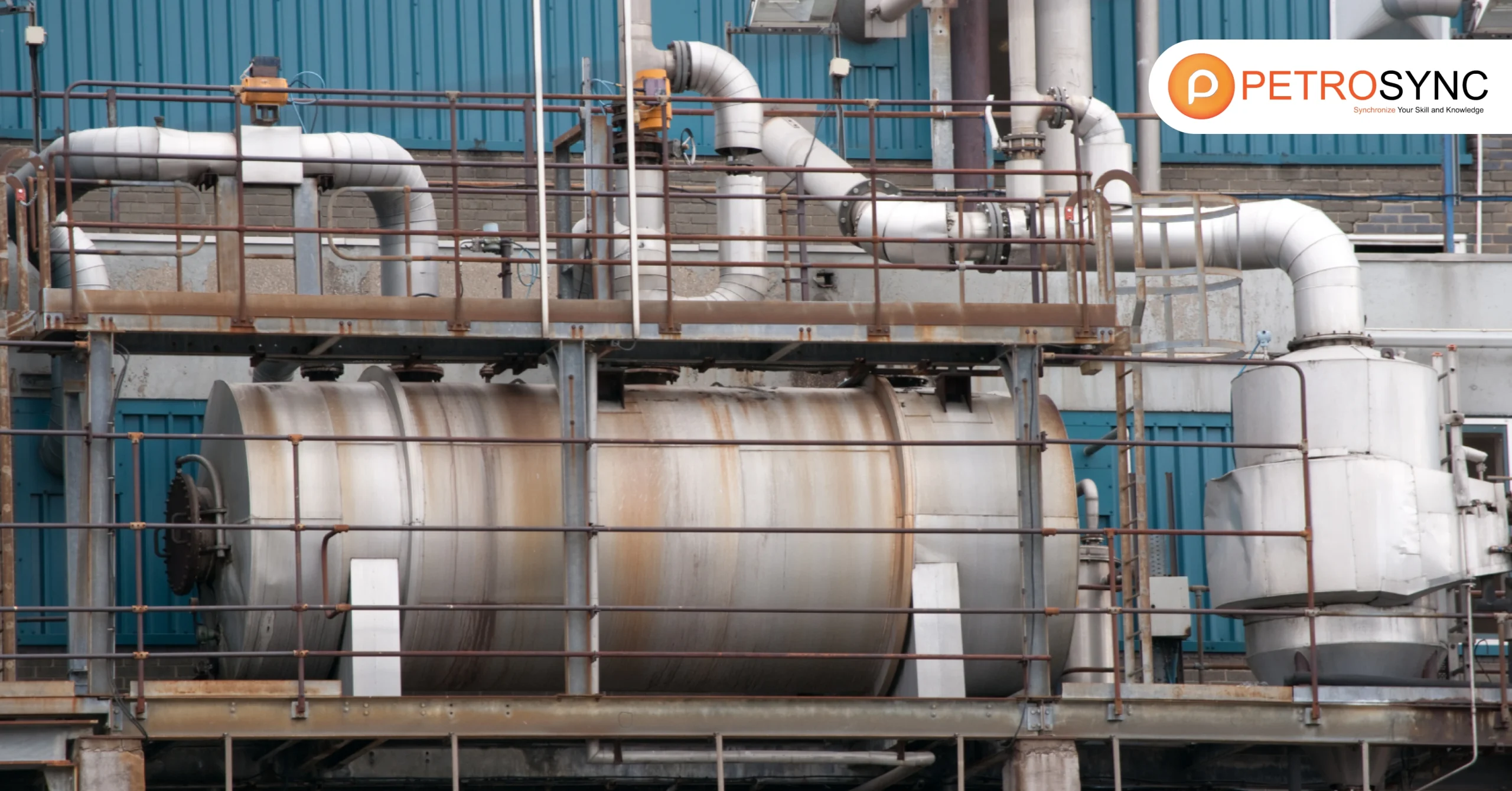
Shell and tube heat exchanger is a type of heat exchanging device constructed using a large cylindrical enclosure, or shell, that has bundles of tubing compacted in its interior. They designed this heat exchanger to transfer heat from one fluid to another fluid without them touching each other directly.
The design names this category of heat exchanger. Which includes a shell (as a sizable pressure vessel) housing a group of tubes. Watch the video below for the illustration. The tubes are enclosed by another fluid, such as water or air, and heat is transferred from the first fluid to the second fluid through the tube walls.
Tube and heat exchangers have various applications, such as in air conditioning systems, refrigeration systems, and industrial processes that require heat transfer.
Understanding the Role of Shell and Tube Heat Exchangers
Shell-and-tube heat exchangers are fundamental to industrial heat transfer. Their flexible design allows one fluid to flow through tubes while another flows around them inside a shell, facilitating efficient thermal exchange.
In oil and gas plants, STHEs are widely used for pre-heating, cooling, condensing, and other heat integration processes. Performance directly impacts energy efficiency, throughput, and operational costs. Properly optimized exchangers enhance process stability, minimize energy consumption, and reduce maintenance interventions.
Conversely, suboptimal operation can lead to fouling, scaling, and reduced thermal performance, affecting production and profitability.
Key Factors Influencing Efficiency
Efficiency in shell-and-tube heat exchangers depends on several technical factors that directly affect heat transfer and operational reliability:
-
Thermal Design
Thermal design governs how effectively heat moves between fluids. Parameters like the overall heat transfer coefficient, log-mean temperature difference (LMTD), and number of transfer units (NTU) are key.
Enhancements such as finned surfaces, turbulence-promoting inserts, and optimized baffle placement can significantly improve thermal performance while controlling pressure drops. Studies indicate that passive and compound design enhancements can boost heat transfer without major operational trade-offs.
-
Flow Velocity and Pressure Drop
Flow velocity and pressure drop are critical to heat exchanger efficiency. Too low leads to laminar flow with poor heat transfer; too high causes excessive pressure drops, erosion, or vibration. Industry research confirms that increasing flow velocity improves heat transfer coefficients but must be balanced with fouling tendencies and tube longevity. Optimal flow design ensures both high thermal performance and equipment safety.
-
Material Selection
Material choice significantly impacts performance and durability. Stainless steel, carbon steel, and corrosion-resistant alloys are commonly selected based on fluid chemistry, temperature, and pressure. Using inappropriate materials accelerates fouling, scaling, and corrosion, reducing efficiency and increasing maintenance demands.
-
Fouling and Scaling
Fouling—the accumulation of deposits on heat transfer surfaces—is a major limiter of performance. Industrial cases show fouling can reduce the overall heat transfer coefficient by over 20%, lower heat duty by around 25%, and decrease effectiveness nearly 20% in just a few weeks of operation. Even small increases in fouling resistance can lead to significant heat losses. Proactive monitoring and preventive cleaning schedules are essential to maintain efficiency.
-
Maintenance Practices
Maintenance practices directly influence STHE longevity and efficiency. Regular inspections, cleaning, and monitoring of performance trends help prevent unexpected degradation. Data-driven maintenance strategies sustain high efficiency, extend equipment life, and reduce operational costs.
Recent Trends and Performance Insights
Recent trends in shell-and-tube heat exchangers reflect innovation in design, materials, and monitoring:
- Nanofluid Integration: Use of engineered nanofluids enhances thermal conductivity and convective heat transfer, improving overall performance.
- Advanced Configurations: Multi-pass and tube-in-tube designs optimize flow distribution and thermal efficiency.
- Simulation & Modeling: Computational tools such as CFD allow engineers to predict fouling, optimize baffle layouts, and anticipate performance issues.
- Topology Optimization: Innovative tube layouts have shown potential to increase thermal efficiency by more than 100% without adding pressure drop.
These innovations illustrate the shift from reactive maintenance toward proactive, data-driven performance management.
Common Challenges in Operation
Operational challenges in shell-and-tube heat exchangers often limit efficiency and reliability:
- Unexpected Fouling: Aggressive fluids or particulates can accelerate deposit buildup.
- Flow Maldistribution: Uneven flow creates hotspots, increases fouling, and reduces efficiency.
- High Maintenance Costs: Cleaning and inspection require downtime, labor, and spare parts.
- Aging Equipment: Tube wear, corrosion, and gasket degradation reduce long-term performance.
- Skill Gaps: Operators without sufficient technical knowledge may miss early signs of inefficiency or misinterpret system behavior.
These challenges can cascade into reduced throughput, higher energy consumption, and unplanned downtime.

Improving Performance Through Training and Technical Expertise
Training and technical expertise are essential levers to improve STHE performance. Skilled engineers and operators can identify inefficiencies, manage fouling, optimize flow, and make informed maintenance decisions. Benefits include:
- Effective Fouling Management: Predictive monitoring extends run lengths and reduces unplanned downtime.
- Design Optimization: Optimized tube layouts, baffle arrangements, and flow rates improve thermal efficiency.
- Data-Driven Decisions: Teams trained to analyze LMTD, U-value drift, and pressure drops can proactively maintain performance.
- Cross-Functional Collaboration: Shared expertise between design, operations, and maintenance teams fosters continuous improvement.
- Adoption of Innovation: Training enables safe and effective implementation of advanced techniques such as nanofluids and simulation tools.
Industrial evidence shows trained teams achieving 20–40% longer run times, improved thermal efficiency, and reduced maintenance costs, directly enhancing operational profitability.
Empowering Engineers with PetroSync Training
PetroSync training programs equip senior engineers, managers, and decision-makers with practical skills to maximize STHE performance.
The Shell & Tube Heat Exchanger Mastery course offers:
- Advanced thermodynamics and design principles
- Fouling prediction, monitoring, and mitigation strategies
- Best practices for cleaning, inspection, and maintenance
- Simulation techniques for performance optimization
- Case studies demonstrating measurable efficiency improvements
Participants gain actionable skills that drive real-world results. Companies report reduced energy consumption, fewer unplanned shutdowns, and significantly improved heat exchanger performance. PetroSync ensures teams can move from reactive problem-solving to proactive, data-driven performance management—unlocking hidden value in heat exchanger assets.
Frequently Asked Questions (FAQ)
A shell-and-tube heat exchanger is a heat transfer device consisting of a bundle of tubes enclosed within a cylindrical shell. One fluid flows inside the tubes while another flows around them within the shell, allowing heat to be transferred efficiently between the two fluids without direct contact.
Shell-and-tube heat exchangers play a critical role in oil and gas facilities for processes such as heating, cooling, condensing, and heat recovery. Their performance directly impacts energy efficiency, process stability, operating costs, and overall plant reliability.
Key factors influencing efficiency include thermal design parameters such as LMTD and overall heat transfer coefficient, flow velocity and pressure drop, material selection, fouling and scaling tendencies, and effective maintenance practices.
Fouling reduces heat transfer efficiency by forming insulating deposits on heat transfer surfaces. It can lower heat duty by up to 25%, reduce overall effectiveness, increase pressure drop, and lead to higher energy consumption and unplanned downtime if not properly managed.
Specialized training equips engineers and operators with the skills to identify inefficiencies, manage fouling, optimize thermal design, and make data-driven maintenance decisions. Trained teams often achieve longer run times, improved energy efficiency, and reduced maintenance costs.

Results-oriented and thorough SEO specialist with extensive experience in conducting keyword research, developing and implementing digital website promotion strategies and plans, managing campaigns to develop company websites in the digital world, excellent knowledge of marketing techniques and principles, and attentive strong attention to detail.