

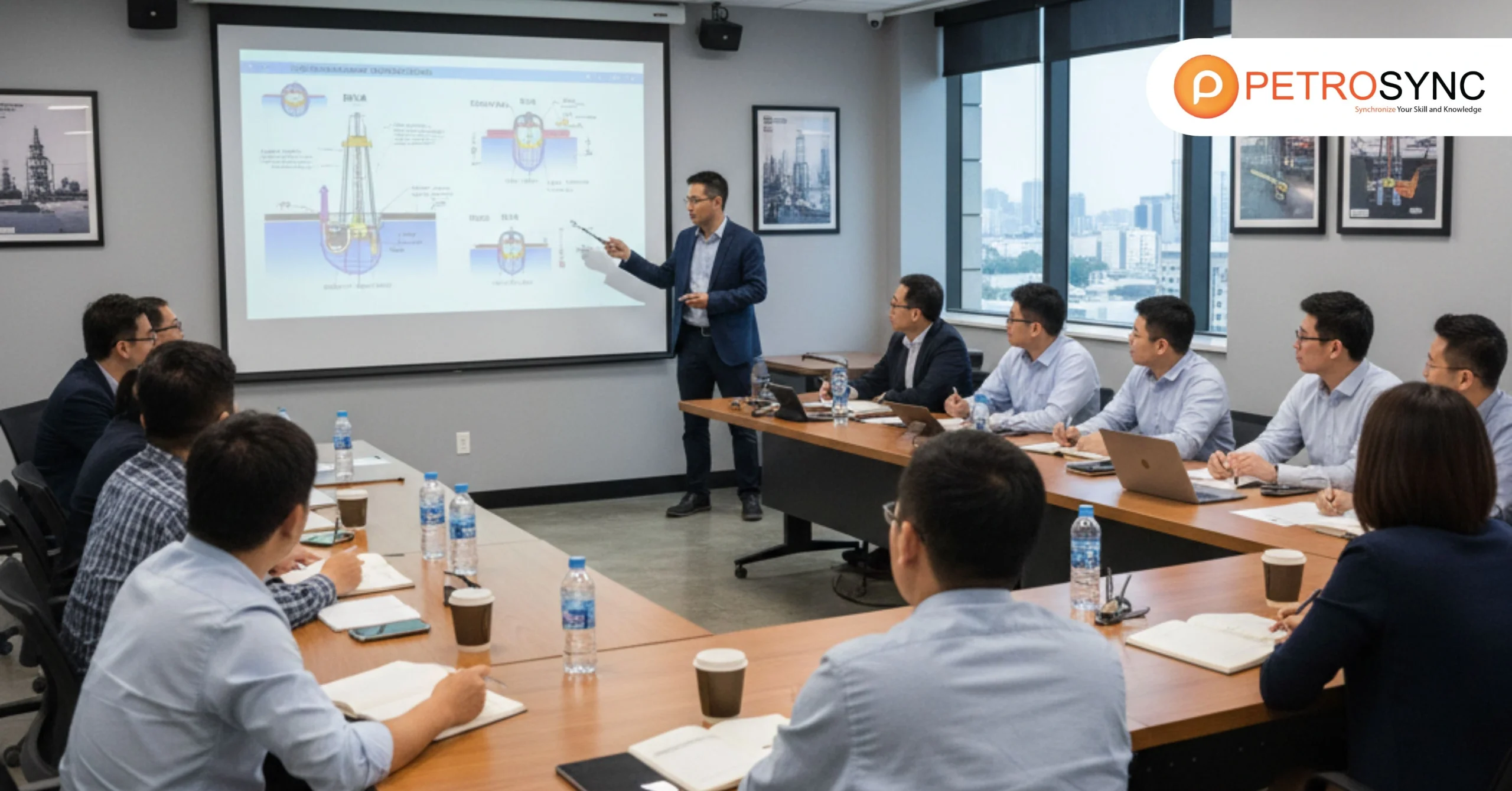
Top Well Engineering Training in Asia is becoming increasingly critical for energy professionals seeking to excel in today’s complex oil and gas landscape. As companies explore deeper reservoirs, tackle high-pressure high-temperature (HPHT) environments, and adopt advanced technologies, well-trained engineers play a pivotal role in ensuring operational efficiency and safety.
This article examines why top engineering training in Asia is essential, how it improves field performance, the key modules included, and why selecting the right training provider can transform both career growth and business outcomes.
Why Top Well Engineering Training in Asia Is Critical for Today’s Energy Challenges
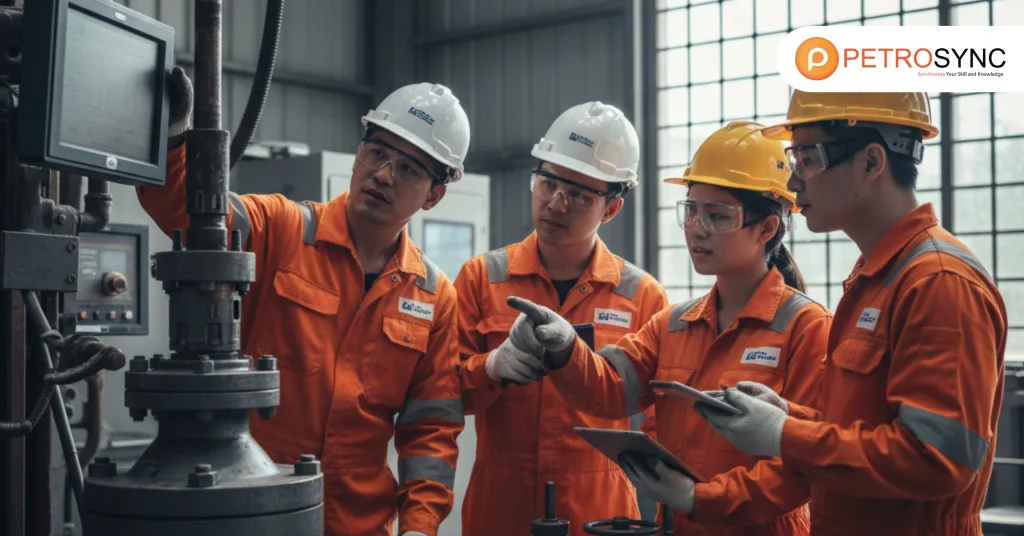
Asia’s oil and gas industry is experiencing rapid transformation, fueled by the pursuit of complex reserves and the integration of emerging technologies. In this context, well engineering training serves as a cornerstone for addressing the following challenges:
- Complex Reservoirs: Engineers are now tackling unconventional and deepwater reservoirs, where precise planning and execution are critical to maximize production while minimizing risks.
- Technology Integration: The adoption of automation, real-time analytics, and AI-driven drilling solutions requires a workforce proficient in both traditional and cutting-edge engineering practices.
- Regulatory Compliance: With increasingly stringent safety and environmental standards, trained professionals are essential to maintain compliance and prevent costly incidents.
Investing in structured, top-tier training ensures engineers are fully prepared to navigate these complexities, delivering both operational excellence and safety assurance.
How Top Well Engineering Training Improves Field Efficiency and Safety
1. Strengthening Well Planning and Design Accuracy
The foundation of successful drilling lies in meticulous planning. Training programs equip engineers with:
- Trajectory Optimization: Mastering the principles of wellbore paths to maximize reach and avoid hazards.
- Casing and Cementing Design: Designing robust casing programs to maintain well integrity and prevent fluid migration.
- Risk Assessment Skills: Anticipating potential issues during the design phase and implementing mitigation strategies.
With these capabilities, engineers can create wells that are technically sound, safe, and cost-efficient.
2. Reducing Drilling Risks and Operational Costs
Operational efficiency hinges on controlling risks and managing costs. Training programs focus on:
- Drilling Optimization: Enhancing penetration rates while minimizing non-productive time (NPT).
- Cost Management: Identifying major cost drivers and applying practical strategies to reduce expenses without compromising safety.
- Contingency Planning: Preparing teams to respond effectively to unexpected challenges.
Professionals with these skills help companies reduce costly delays and avoid preventable incidents, ultimately boosting profitability.
3. Enhancing Collaboration Between Engineering and Field Teams
Smooth operations depend on clear communication between engineers and field personnel. Training emphasizes:
- Cross-Disciplinary Understanding: Bridging theory and field application for seamless execution.
- Team Coordination: Encouraging collaborative problem-solving and decision-making.
- Continuous Feedback Mechanisms: Implementing systems to refine operations based on practical experiences.
Such collaboration not only improves efficiency but fosters a culture of shared accountability and operational excellence.

Core Modules in Top Well Engineering Training
Leading programs cover a wide array of topics to ensure professionals are fully prepared for modern well engineering challenges:
1. Advanced Well Design and Construction Techniques
- Wellbore Stability: Methods to maintain integrity under varying pressures and temperatures.
- Directional Drilling: Precision techniques for navigating complex reservoirs.
- Completion Strategies: Optimizing completion design to maximize production while safeguarding integrity.
2. Drilling Optimization and Real-Time Data Management
- Automation Tools: Implementing real-time monitoring and control systems.
- Data Analytics: Leveraging operational data to predict equipment failures and optimize drilling performance.
- Performance Metrics: Establishing KPIs to continually improve drilling efficiency.
3. Completion Engineering and Integrity Management
- Tailored Completions: Matching completion systems with specific reservoir characteristics.
- Integrity Monitoring: Systems for continuous well health assessment.
- Workover Strategies: Maintaining and enhancing Wwell productivity over its lifecycle.
4. Well Control and Pressure Management Best Practices
- Kick Detection: Early identification of well influxes to prevent blowouts.
- Pressure Management: Maintaining wellbore pressure within safe limits.
- Emergency Response: Protocols to swiftly manage well control incidents.
These modules combine practical skills and theoretical knowledge, preparing engineers to handle operational and technical challenges confidently.
Why PetroSync Leads the Way in Well Engineering Training
PetroSync has become a leading provider of well engineering training in Asia by offering:
- Experienced Instructors: Courses led by industry veterans with hands-on experience in diverse field operations.
- Comprehensive Curriculum: Integration of theoretical knowledge with practical simulations and case studies.
- Modern Training Facilities: Equipped with cutting-edge technology to replicate real-world scenarios.
- Proven Impact: Professionals who complete these programs consistently demonstrate improved field efficiency, reduced downtime, and enhanced operational safety, driving measurable business growth.
By choosing PetroSync, organizations and professionals gain access to training that directly enhances operational performance while developing high-caliber engineering talent.
Take the Next Step with PetroSync’s Well Engineering Training
For senior engineers, managers, and executives aiming to elevate their teams, PetroSync’s top well engineering training offers a strategic advantage:
- Skill Advancement: Master the latest well engineering techniques and strategies
- Operational Excellence: Foster a culture of efficiency, precision, and safety.
- Leadership Readiness: Equip your team to confidently manage complex projects and high-stakes operations.
Investing in this training empowers professionals to make data-driven decisions, reduce operational risks, and optimize performance—ensuring they remain competitive in Asia’s fast-evolving energy sector.

Results-oriented and thorough SEO specialist with extensive experience in conducting keyword research, developing and implementing digital website promotion strategies and plans, managing campaigns to develop company websites in the digital world, excellent knowledge of marketing techniques and principles, and attentive strong attention to detail.