

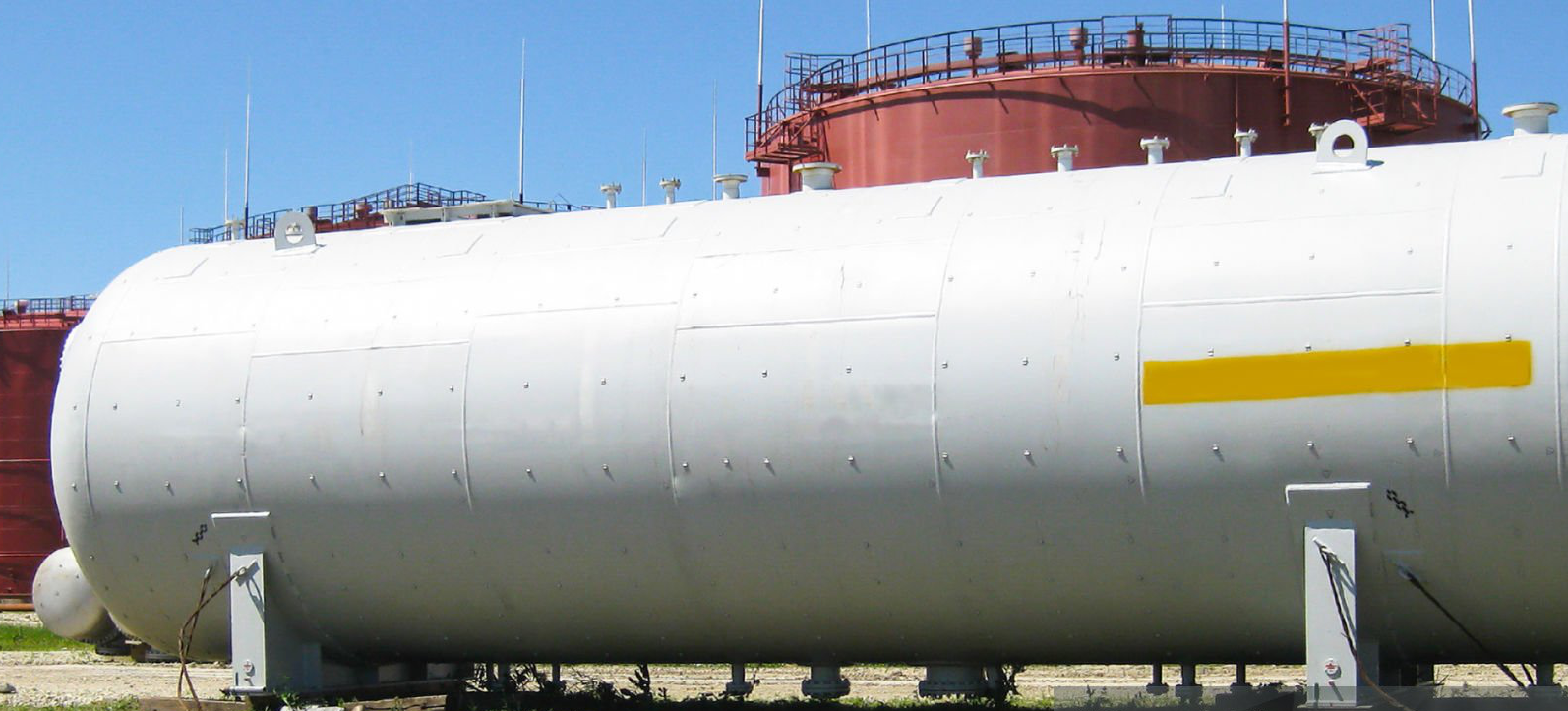
ASME Section VIII Division 2 plays a pivotal role in the modern oil and gas industry, defining how pressure vessels are designed, tested, and certified for maximum safety and performance. In a world where operations routinely face extreme pressures, high temperatures, and complex process demands, this code ensures that every pressure vessel operates with reliability and efficiency.
For senior engineers, project managers, and decision-makers, understanding the essence of ASME Section VIII Division 2 goes far beyond regulatory compliance. It represents an opportunity to achieve lighter, stronger, and more cost-efficient equipment designs—an advantage that directly contributes to operational excellence and business growth.
In this guide, we’ll explore how ASME Section VIII Division 2 establishes the foundation for advanced pressure vessel engineering, its key design principles, and how it ensures both safety and cost-effectiveness in real-world industrial applications.
What is ASME VIII Div 2?
ASME VIII Div 2, or the American Society of Mechanical Engineers Boiler and Pressure Vessel Code, Division 2, is a design-by-analysis approach that requires more detailed calculations than Division 1. It comprises a set of rules and standards guiding the design, fabrication, inspection, and testing of pressure vessels, which are containers holding liquids or gases at a pressure substantially different from the ambient pressure.
What Is The Difference between ASME Section VIII Div 1 and Div 2?
ASME VIII Div 1 and Div 2 are two parts of the American Society of Mechanical Engineers Boiler and Pressure Vessel Code, each providing guidelines for designing and constructing pressure vessels. One significant difference between the two lies in the approach to design margins and material allowable stresses.
In Div 2, lower design margins are employed, leading to higher material allowable stresses compared to Div 1. Design margins are reduction factors applied to the material’s ultimate tensile strength (UTS) to establish material allowable stresses as outlined in ASME II-D. This difference in design philosophy reflects varying considerations for safety factors and risk tolerance in the two divisions.
Below is a table highlighting the key differences between ASME Section VIII Division 1 and Division 2:
|
Feature |
ASME Section VIII Division 1 |
ASME Section VIII Division 2 |
| Scope | Covers the design, fabrication, inspection, testing, and certification of pressure vessels. | Alternative rules for the design and construction of pressure vessels. Allows for more flexibility in design methods. |
| Design Approach | Based on design-by-rule approach. | Emphasizes design-by-analysis approach. |
| Design Formulae | Prescribed formulas and rules for various components. | Allows for more advanced analysis methods and flexibility in design calculations. |
| Factor of Safety | Uses a fixed factor of safety. | Allows for the use of risk-based factors of safety, leading to potentially lower material costs. |
| Material Requirements | More conservative material requirements. | Allows for the use of more advanced materials and consideration of fracture mechanics. |
| Joint Efficiency | Fixed joint efficiency values. | Consideration of joint efficiency based on the type of joint and inspection methods. |
| Testing Requirements | Prescribed testing requirements. | Provides flexibility in testing based on risk analysis and inspection results. |
| Fatigue Analysis | Simplified fatigue analysis. | More detailed fatigue analysis methods. |
| Seismic Design | Limited provisions for seismic design. | Specific provisions for seismic design. |
| Wind and External Loads | General provisions for external loads. | Detailed analysis for wind and external loads. |
| Safety Factors | More conservative safety factors. | Allows for the consideration of more refined safety factors. |
| Use of Finite Element Analysis (FEA) | Limited use of FEA in design. | Encourages the use of FEA for more accurate and detailed analysis. |
It’s important to note that the choice between Division 1 and Division 2 depends on the specific requirements of the pressure vessel and the desired level of design complexity. Division 1 is generally more straightforward and widely used, while Division 2 offers more flexibility for specialized applications.

What Is The Allowable Stress for ASME VIII Div 2?
In ASME Section VIII Division 2, the allowable stress is determined by considering various factors such as material properties, design conditions, and safety margins. Unlike Division 1, which provides fixed allowable stress values, Division 2 allows for a more detailed and customized assessment of these factors.
Division 2 establishes the allowable stress through a comprehensive analysis that considers the pressure vessel’s specific characteristics, including its geometry, loading conditions, and potential defects. This approach allows for a more precise determination of the allowable stress, tailored to the unique requirements of each vessel.
The ASME Code provides maximum allowable stress values used in calculating a vessel’s wall thickness, which vary with temperature. In Division 1, governing design by Rules with a safety factor of 3.5, a 60,000 psi tensile strength material has a Maximum Allowable Stress Value of 17,142 psi. In Division 2, governing design by Analysis with a lower safety factor of 2.5, the same material’s maximum allowable stress becomes 24,000 psi.
Some companies insist on Division 2 standards for their pressure vessels due to more rigorous requirements, while others may opt for Division 1 or Division 2 based on cost considerations. Typically, manufacturers choose Division 1 for low-pressure vessels and Division 2 for high-pressure ones. The maximum allowable stress values for commonly used steel plates in pressure vessel fabrication are provided in the table for the normal temperature range.
Are There Cost Considerations When Comparing ASME VIII Division 2 to ASME VIII Division 1?
The key question is whether material and labor savings outweigh added costs in engineering, quality control, and administration. Traditionally, large and thick vessels have been considered suitable for Division 2. The 2017 Edition of Division 2 introduced Class 1 vessels, providing more flexibility in choosing the more cost-effective Division.
Cost reductions now apply to more cases, including large carbon steel vessels under 600°F (315°C). Division 2 necessitates fewer reinforcing pads and allows for thinner nozzle forgings, leading to extra cost savings. Professionals in pressure vessel design must understand ASME Section VIII Div 2 for flexible, detailed, and cost-efficient design applications.
Your choice between Division 1 and Division 2 depends on specific vessel requirements, complexity preferences, and cost considerations. Learning about Division 2 equips you with informed decisions, ensuring safe and efficient pressure vessel design.
In addition to understanding ASME Section VIII Div 2 you can further enhance your expertise by participating in PetroSync ASME Section VIII Training. Stay ahead in your field, deepen your understanding, and elevate your professional capabilities by enrolling in ASME Section VIII Division 1 and Division 2 training.
Take the next step in advancing your career and contributing to the safety and efficiency of pressure vessel engineering with PetroSync.
Credit header image: iStock

Results-oriented and thorough SEO specialist with extensive experience in conducting keyword research, developing and implementing digital website promotion strategies and plans, managing campaigns to develop company websites in the digital world, excellent knowledge of marketing techniques and principles, and attentive strong attention to detail.