


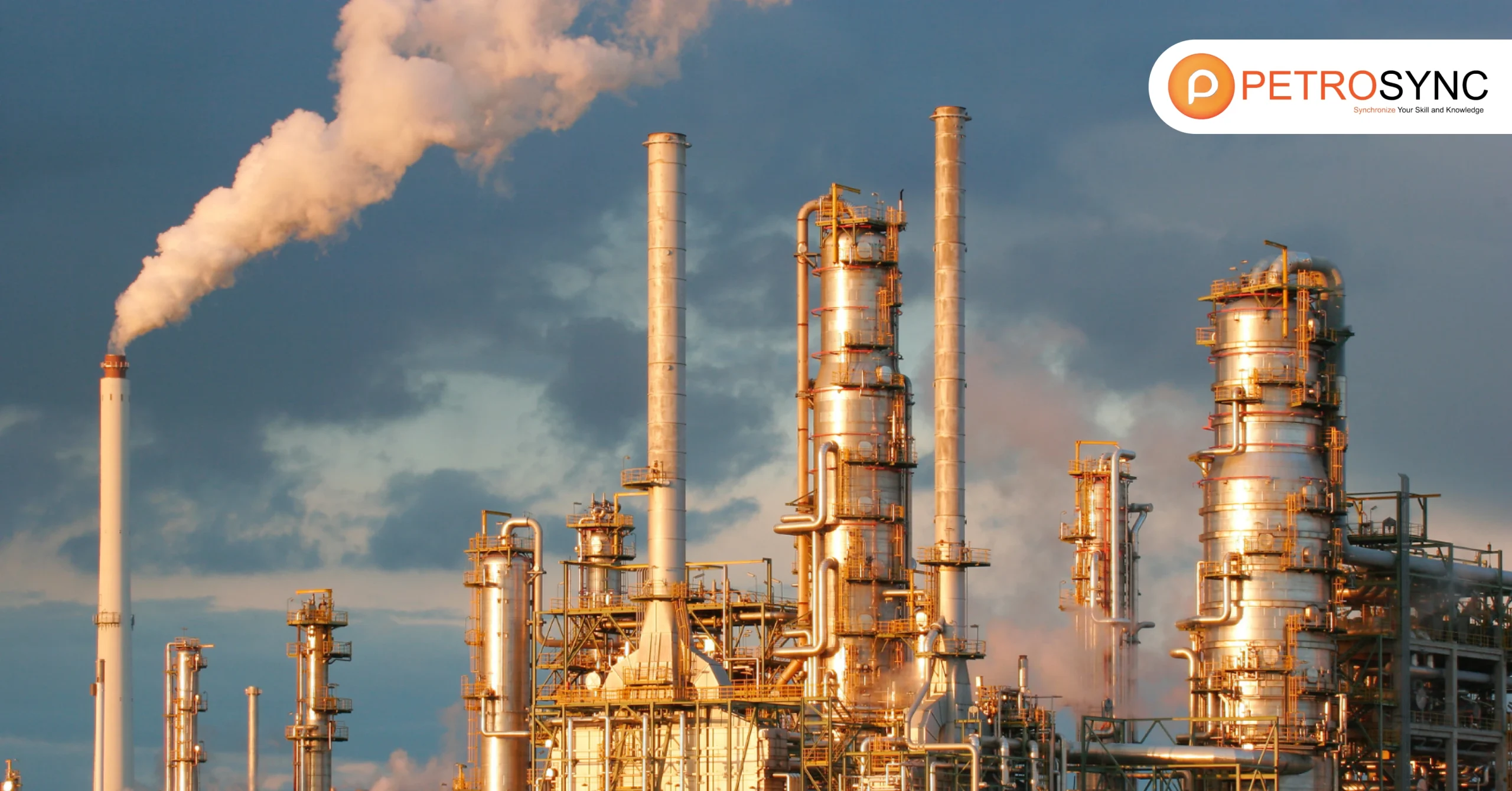
- Fired heaters are mission-critical thermal systems that drive efficiency, stability, safety, and throughput across refining and upstream operations.
- Poor combustion control and weak monitoring increase safety risks, downtime, emissions, and costly tube failures.
- Technical mastery reduces reactive maintenance, improves energy performance, and protects long-term asset integrity.
- Structured training bridges design theory and real plant challenges through case studies and global best practices.
- Investing in competency development strengthens compliance, boosts reliability, and delivers measurable operational ROI.
Fired heaters play a central role in oil and gas operations, particularly in refineries, petrochemical plant, and upstream processing facilities. As high-temperature thermal equipment, they directly influence production efficiency, fuel consumption, process stability, and plant safety performance.
Because fired heaters operate under continuous combustion and extreme thermal conditions, even minor operational deviations can lead to significant technical and financial consequences. For engineers, supervisors, and decision-makers, understanding fired heaters is not simply about equipment knowledge—it is about protecting assets, ensuring compliance, and sustaining long-term operational reliability.
To build that foundation, it is essential to first understand what fired heaters are and how they function within industrial processes, including their various Fired Heaters Application across the oil & gas value chain.
What are Fired Heaters?
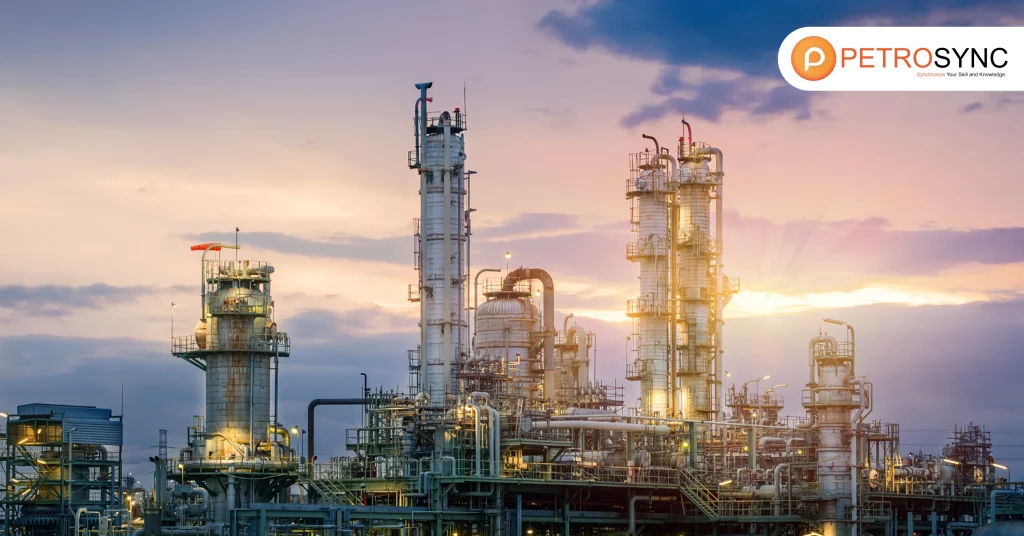
A fired heater is a combustion-based heat transfer system designed to heat process fluids using controlled fuel firing. These systems are widely used to raise the temperature of crude oil, feedstocks, intermediate products, and gas streams before entering separation, distillation, reforming, or cracking units.
Common Fired Heaters Application in the industry include:
- Crude oil preheating before atmospheric distillation
- Feed heating for vacuum distillation units
- Reboilers in fractionation systems
- Process heating in hydrotreating and reforming units
- Gas heating in upstream production facilities
Fired heaters typically consist of:
- Burners
- Radiant section
- Convection section
- Process tubes
- Stack and draft control systems
Because combustion dynamics, heat transfer, metallurgy, and fluid mechanics interact simultaneously, fired heaters are technically complex systems. Their performance directly affects plant throughput, energy efficiency, emissions control, and asset integrity.
Understanding their applications and operating principles is the first step. The next critical aspect is recognizing the risks when these systems are not properly managed.
Potential Risks of Improper Management or Misunderstanding of Fired Heaters
Fired heaters operate under high heat flux and continuous combustion stress. Inadequate monitoring, improper tuning, or insufficient technical understanding can result in serious operational consequences.
1. Safety Hazards from Overheating or Combustion Failures
Incorrect air-fuel ratio, unstable flame patterns, or weak burner management systems may lead to tube overheating, flame impingement, or explosion risks. Without proper technical competency—often developed through structured Fired Heaters Training—operators may fail to detect early warning signs.
2. Operational Downtime and Production Losses
Because fired heaters are critical path equipment, failure may halt entire processing units. This highlights the importance of professional upskilling through a structured Fired Heaters Course that equips engineers with preventive and diagnostic capability.
3. Increased Maintenance Costs
Lack of technical understanding increases reactive maintenance frequency. Facilities that invest in technical Fired Heaters Training often reduce repetitive tube replacement and refractory repair costs through better operational control.
4. Regulatory Non-Compliance Penalties
Poor combustion performance increases emission levels. Proper training ensures alignment with regulatory and environmental standards, reducing compliance risks.
5. Environmental Impact Due to Emissions
Inefficient combustion leads to excessive fuel consumption and higher emission intensity. Engineers who understand advanced fired heater optimization techniques can significantly improve efficiency.
These risks demonstrate why technical mastery must go beyond theoretical awareness.
Benefits of Mastering Fired Heaters for the Oil & Gas Industry
Organizations that invest in structured Fired Heaters Training and professional development often achieve measurable operational improvements.
1. Relevant for Field Applications & Engineering Practices
A comprehensive Fired Heaters Course bridges the gap between design theory and real plant challenges, enabling engineers to optimize combustion, manage heat flux distribution, and troubleshoot effectively.
2. Practical & Applied Case Study Approach
Well-designed Fired Heaters Training programs integrate real industrial case studies, including failure investigations and efficiency optimization scenarios, ensuring knowledge is directly applicable.
3. Experienced Instructors from Global Industry Practitioners
Learning from practitioners with hands-on experience strengthens analytical and troubleshooting capability.
4. Curriculum Aligned with International Standards & Best Practices
A structured Fired Heaters Course ensures alignment with recognized industry standards, enhancing compliance and global benchmarking capability.
5. Trusted by Energy Companies & Global Industries
Professional programs that are trusted by energy companies reflect proven industrial value.
6. International Reputation as an Oil & Gas Training Provider
An internationally recognized Fired Heaters Training provider ensures consistent methodology and technical depth.
At this stage, organizations often evaluate the strategic value and return on investment of such programs.
How to Address Fired Heaters Challenges More Effectively
Structured action is required to transform awareness into measurable performance improvement.
1. Develop Professional Competence through Structured Programs like PetroSync
A well-designed Refinery heater Course builds strong foundations in combustion fundamentals, heat transfer principles, inspection strategies, and performance optimization.
When evaluating participation, companies often consider the Refinery heater Course Fee relative to the operational risk reduction and efficiency gains it delivers. In many cases, preventing a single tube failure can justify the entire training investment.
2. Apply Relevant Industry Best Practices & Standards for Fired Heaters
Training participants learn to implement best practices that reduce variability and enhance reliability.
3. Integrate Fired Heaters Knowledge into Operational & Engineering Processes
Competency gained from structured Refinery heater Training should be embedded into SOPs, HAZOP reviews, and turnaround planning.
4. Enhance Team Capability through Case Studies & Field Learning
Applied case-based learning improves cross-functional collaboration and decision-making quality.
5. Conduct Evaluation, Review & Continuous Improvement
Continuous monitoring and auditing ensure sustained improvement after training completion.

General Competency Development Solutions for Fired Heaters
Organizations seeking long-term fired heater reliability should integrate:
- Technical upskilling initiatives
- Structured Fired Heaters Training programs
- Cross-functional engineering workshops
- Performance benchmarking frameworks
When considering budget allocation, leadership teams should evaluate the Refinery heater Course Fee not merely as a cost, but as a strategic investment in safety, compliance, and operational stability.
Recommended Professional Practices & Approaches for Fired Heaters
Sustainable improvement requires both structured knowledge and disciplined execution.
1. Focus on Asset Reliability & Performance Improvement
2. Practical & Applied Case Study Approach
3. Experienced Instructors from Global Industry Practitioners
4. Curriculum Aligned with International Standards & Best Practices
5. Trusted by Energy Companies & Global Industries
6. International Reputation as Oil & Gas Knowledge Provider
Organizations that integrate structured Refinery heater Training into their technical development roadmap consistently demonstrate stronger reliability performance.
Professional Strategies to Overcome Fired Heaters Challenges
1. Optimize Fired Heaters Processes & Reliability Professionally
Leverage knowledge gained from professional Refinery heater Course programs to implement combustion tuning and efficiency audits.
2. Consult Your Fired Heaters Challenges with Experienced Practitioners
Expert guidance accelerates root cause analysis and solution implementation.
3. Discover the Best Recommendations & Approaches from Global Industry
Global best practices, often shared within advanced Refinery heater Training environments, prevent repetition of costly operational mistakes.
Schedule Your PetroSync Fired Heaters Competency Program Now
Fired heaters are mission-critical assets that demand structured technical mastery.
Investing in a comprehensive Refinery heater Course is not merely a technical upgrade—it is a strategic move to enhance safety, reduce downtime, and improve energy efficiency.
Evaluate the long-term value beyond the Fired Heaters Course Fee, and consider the operational risks that can be mitigated through professional Refinery heater Training.
- Empower your engineers.
- Protect your assets.
- Strengthen operational excellence.
Schedule your PetroSync Fired Heaters Training program today and elevate your organization’s technical capability with confidence
Frequently Asked Questions (FAQ)
Fired heaters are combustion-based heat transfer systems used to heat process fluids such as crude oil, feedstocks, and gas streams before distillation, reforming, or cracking. They operate using controlled fuel firing and consist of burners, radiant and convection sections, process tubes, and draft systems.
Fired heaters directly influence production efficiency, fuel consumption, emissions control, and plant safety. Because they operate under extreme thermal stress and continuous combustion, any failure can halt processing units and cause significant technical and financial losses.
Improper monitoring or combustion tuning can lead to tube overheating, flame instability, explosions, unplanned shutdowns, higher maintenance costs, regulatory non-compliance, and increased emissions. These risks highlight the need for strong technical competency.
Structured training strengthens understanding of combustion fundamentals, heat transfer, inspection strategies, and optimization techniques. It helps engineers reduce downtime, improve efficiency, enhance compliance, and prevent costly equipment failures.
Yes. When evaluated against potential downtime, tube failures, emissions penalties, and maintenance expenses, a refinery heater course often delivers strong return on investment by improving reliability, safety, and long-term operational stability.

Results-oriented and thorough SEO specialist with extensive experience in conducting keyword research, developing and implementing digital website promotion strategies and plans, managing campaigns to develop company websites in the digital world, excellent knowledge of marketing techniques and principles, and attentive strong attention to detail.