


- Hydraulic fracturing is a strategic capability that unlocks tight reservoirs and directly shapes investment decisions, risk control, and long-term asset value.
- High-pressure fluids create conductive fractures, enabling economic production from ultra-low permeability formations once seen as uneconomic.
- Data-driven designs and real-time monitoring deliver 20–45% production gains, improving capital efficiency and accelerating project payback.
- Optimized fluids, proppants, and pressure control cut costs up to 30% while enhancing safety, consistency, and operational reliability.
- Digitalization, sustainability practices, and advanced materials are redefining fracturing performance, emissions control, and future competitiveness.
Hydraulic fracturing has become one of the most critical technologies shaping modern oil and gas development. As the industry operates in an era defined by complexity, conventional reservoirs that once delivered stable production are gradually reaching maturity.
At the same time, global energy demand continues to rise, accompanied by growing expectations for operational efficiency, safety, and environmental responsibility. In response to these pressures, energy companies are increasingly turning toward unconventional resources—formations that were previously considered technically challenging and economically marginal.
Within this shift, hydraulic fracturing is no longer viewed as a supporting technique. It has evolved into a strategic capability that determines how effectively operators can unlock value from tight and ultra-low permeability reservoirs. For senior leaders, managers, and executives, understanding hydraulic fracturing goes beyond operational detail.
It directly influences investment decisions, risk management strategies, and long-term asset performance. Before examining optimization approaches and emerging innovations, it is essential to first establish a clear understanding of what hydraulic fracturing truly is and why it remains fundamental to modern energy development.
What is Hydraulic Fracturing?
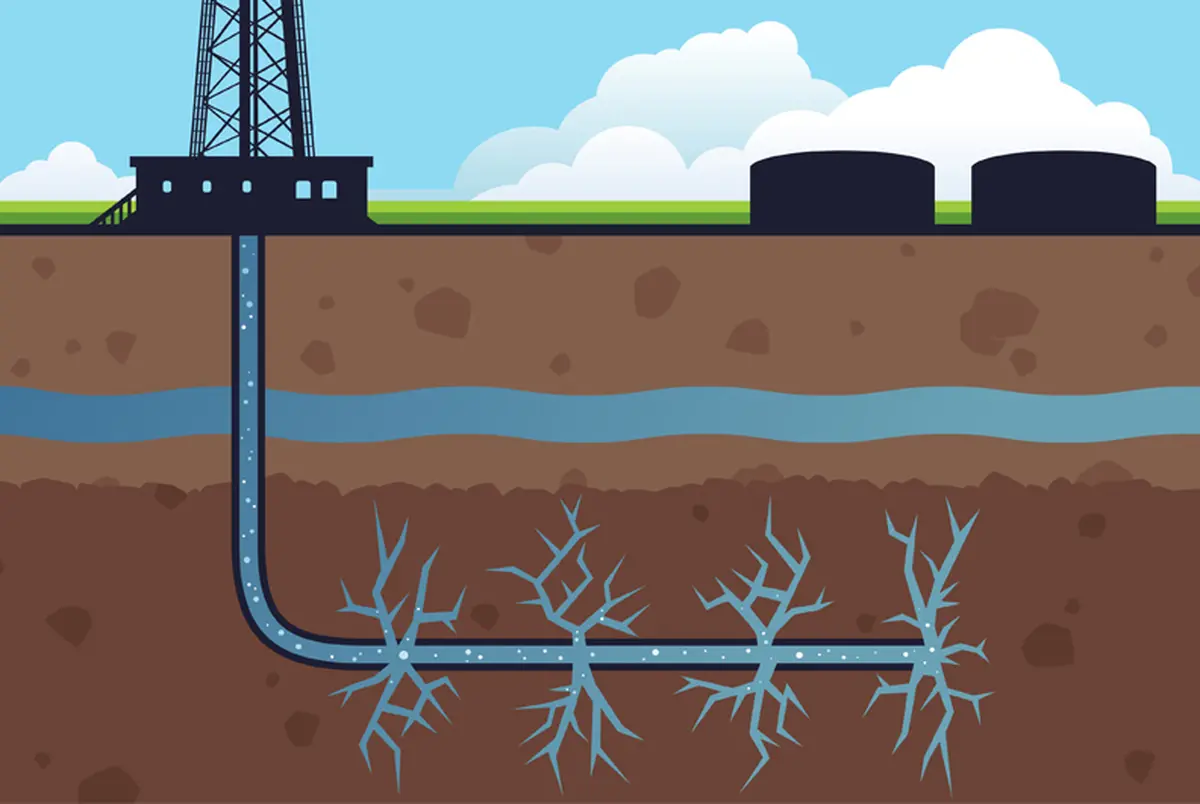
Hydraulic fracturing is a well stimulation method designed to improve hydrocarbon flow from reservoirs with limited natural permeability. The process involves injecting fluid at high pressure into the target formation to create controlled fractures within the rock. These fractures provide conductive pathways that allow oil and gas to move efficiently toward the wellbore.
The injected fluid typically consists of water, proppant materials, and carefully engineered chemical additives. Once pumping operations conclude, the proppant remains within the fractures, preventing them from closing under formation stress and sustaining production over time.
From a business standpoint, hydraulic fracturing plays a decisive role in reserves development, production forecasting, and asset valuation. Fields that would otherwise remain uneconomic can be transformed into commercially viable developments, supporting both short-term cash flow and long-term portfolio resilience.
How Does Hydraulic Fracturing Work?
Hydraulic fracturing works by applying pressure that exceeds the mechanical strength of the reservoir rock. When this threshold is surpassed, fractures initiate and propagate outward from the wellbore. Engineers carefully manage injection rates, fluid volumes, and pressure profiles to control fracture geometry and maximize reservoir contact.
Modern hydraulic fracturing operations rely heavily on data-driven decision-making. Advanced modeling, pressure diagnostics, and real-time monitoring allow teams to adjust designs during execution. This integrated approach reduces uncertainty and improves consistency across multi-well development programs.
Field experience across multiple basins has shown that wells completed with optimized fracturing designs can deliver production improvements in the range of 20 to 45 percent, depending on reservoir quality and operational execution. For large-scale developments, these gains translate directly into improved capital efficiency and faster project payback.
Why is Hydraulic Fracturing Essential for Unconventional Reservoirs?
Unconventional reservoirs differ fundamentally from conventional systems. In shale and tight formations, hydrocarbons are stored in extremely small pore spaces with minimal natural connectivity. Without stimulation, flow rates remain too low to justify commercial development.
Hydraulic fracturing addresses this challenge by creating artificial permeability, effectively engineering the reservoir to produce at economic rates. This capability enables operators to apply repeatable development concepts across extensive acreage positions, improving predictability and reducing development risk.
From a strategic perspective, optimized hydraulic fracturing has demonstrated the ability to reduce overall well development costs by approximately 15 to 30 percent, while maintaining or improving production outcomes. For executives managing capital-intensive portfolios, this balance between cost control and performance is critical in navigating commodity price volatility.
What are the Core Hydraulic Fracturing Processes?
1. Well Preparation and Perforation
A successful hydraulic fracturing operation begins with proper well construction and perforation design. Engineers carefully select perforation depth, cluster spacing, and orientation to ensure fractures initiate uniformly along the target interval.
Improved perforation strategies help minimize uneven fracture growth, reduce stress interference between stages, and enhance overall stimulation effectiveness. These early design decisions have a lasting impact on well performance throughout its productive life.
2. Hydraulic Fracturing Fluids and Additives
Fracturing fluids are engineered to transport proppants, manage friction losses, and protect formation integrity. While water-based fluids remain the most widely used, their performance depends heavily on the selection and concentration of additives.
Operational experience has shown that optimized fluid systems can reduce pumping energy requirements by up to 25 percent. This not only improves operational efficiency but also contributes to lower fuel consumption and reduced operational emissions.
3. Proppant Selection and Placement
Proppant selection is a critical factor in sustaining fracture conductivity. Natural sand is commonly used due to its availability and cost efficiency, while engineered proppants are applied in higher-stress environments where durability is essential.
Studies show that effective proppant placement improves fracture conductivity by 30 to 50 percent and significantly influences cumulative production over the life of the well. Poor placement, by contrast, can undermine even the most sophisticated fracture designs.
4. Pumping and Pressure Control
Precise pumping schedules and pressure management are essential to achieving the desired fracture geometry. Real-time monitoring allows engineers to detect anomalies early and adjust operating parameters accordingly.
Effective pressure control reduces the risk of screen-outs, equipment failure, and unintended fracture growth, contributing to safer and more predictable operations.
How Can Hydraulic Fracturing Engineers Optimize Well Performance and Safety?
1. Reservoir and Geomechanics Analysis
Understanding reservoir properties and in-situ stress conditions is fundamental to fracture design. Geomechanical analysis helps predict fracture orientation, height growth, and interaction with natural fractures.
Wells designed using integrated reservoir and geomechanics models consistently outperform generic approaches, with production improvements reaching up to 35 percent in certain formations. This highlights the value of subsurface insight in reducing technical uncertainty.
2. Production and Flowback Optimization
Flowback strategy directly affects fracture cleanup and early production behavior. Controlled flowback preserves fracture conductivity and minimizes proppant flowback, supporting stable well performance.
Optimized flowback practices can increase early production rates by approximately 10 to 20 percent, reinforcing the importance of disciplined post-fracturing operations.
3. Safety, HSE, and Compliance in Hydraulic Fracturing
Hydraulic fracturing involves high-pressure equipment, complex logistics, and large field crews. Strong health, safety, and environmental management systems are essential to protect personnel and assets.
Operations supported by structured safety programs have demonstrated incident reductions exceeding 40 percent, underscoring the direct link between safety performance and operational reliability.
What are the Latest Innovations in Hydraulic Fracturing?
1. Digitalization and Automation
Digital tools are reshaping the design and execution of hydraulic fracturing operations. Real-time analytics, automated pumping systems, and predictive models enable continuous optimization during operations.
Organizations that adopt digital fracturing solutions have reported production uplifts of 5 to 15 percent, while also reducing variability and non-productive time across large development programs.
2. Environmental Sustainability in Hydraulic Fracturing
Sustainability considerations are increasingly influencing fracturing practices. Water recycling, reduced chemical usage, and lower-emission equipment are becoming standard in many operations.
Advanced water management strategies have demonstrated the ability to reduce freshwater consumption by as much as 50 percent, supporting both environmental objectives and operational efficiency.
3. Advanced Materials and Techniques
Innovations such as dissolvable plugs, lightweight proppants, and engineered fracture networks continue to improve stimulation effectiveness while reducing operational complexity and intervention costs
Why Continuous Learning in Hydraulic Fracturing Is Critical
Hydraulic fracturing is evolving rapidly. Advances in subsurface modeling, digital technology, materials science, and regulatory requirements are continuously reshaping best practices.
For senior professionals and decision-makers, continuous learning supports better technical governance, stronger risk management, and more confident investment decisions. Organizations that prioritize capability development consistently achieve higher execution quality and long-term asset performance.
Elevate Your Hydraulic Fracturing Expertise with PetroSync Training
In an industry where technical decisions directly affect capital exposure and production outcomes, advanced knowledge is a strategic advantage. PetroSync’s Hydraulic Fracturing and Well Engineering training programs are designed specifically for senior engineers, managers, and executives who need practical, business-relevant insight—not just theory.
Through real-world case studies and applied engineering frameworks, these programs help organizations improve performance and capital efficiency, reduce operational and safety risks, strengthen technical leadership and governance, and support data-driven decision-making at management level.
Frequently Asked Questions (FAQ)
Hydraulic fracturing is a well stimulation method that injects high-pressure fluid to create fractures in low-permeability rock, improving oil and gas flow to the wellbore.
Unconventional reservoirs have limited natural connectivity, and hydraulic fracturing creates artificial permeability that enables economic production and repeatable field development.
Optimized fracture designs, supported by real-time data and diagnostics, can increase well production by 20 to 45 percent while improving capital efficiency.
Core processes include well preparation and perforation, fracturing fluid and additive selection, proppant placement, and precise pumping and pressure control.
Digital tools enable real-time optimization and automation, while sustainability practices such as water recycling and low-emission equipment reduce environmental impact and operating costs.

Results-oriented and thorough SEO specialist with extensive experience in conducting keyword research, developing and implementing digital website promotion strategies and plans, managing campaigns to develop company websites in the digital world, excellent knowledge of marketing techniques and principles, and attentive strong attention to detail.