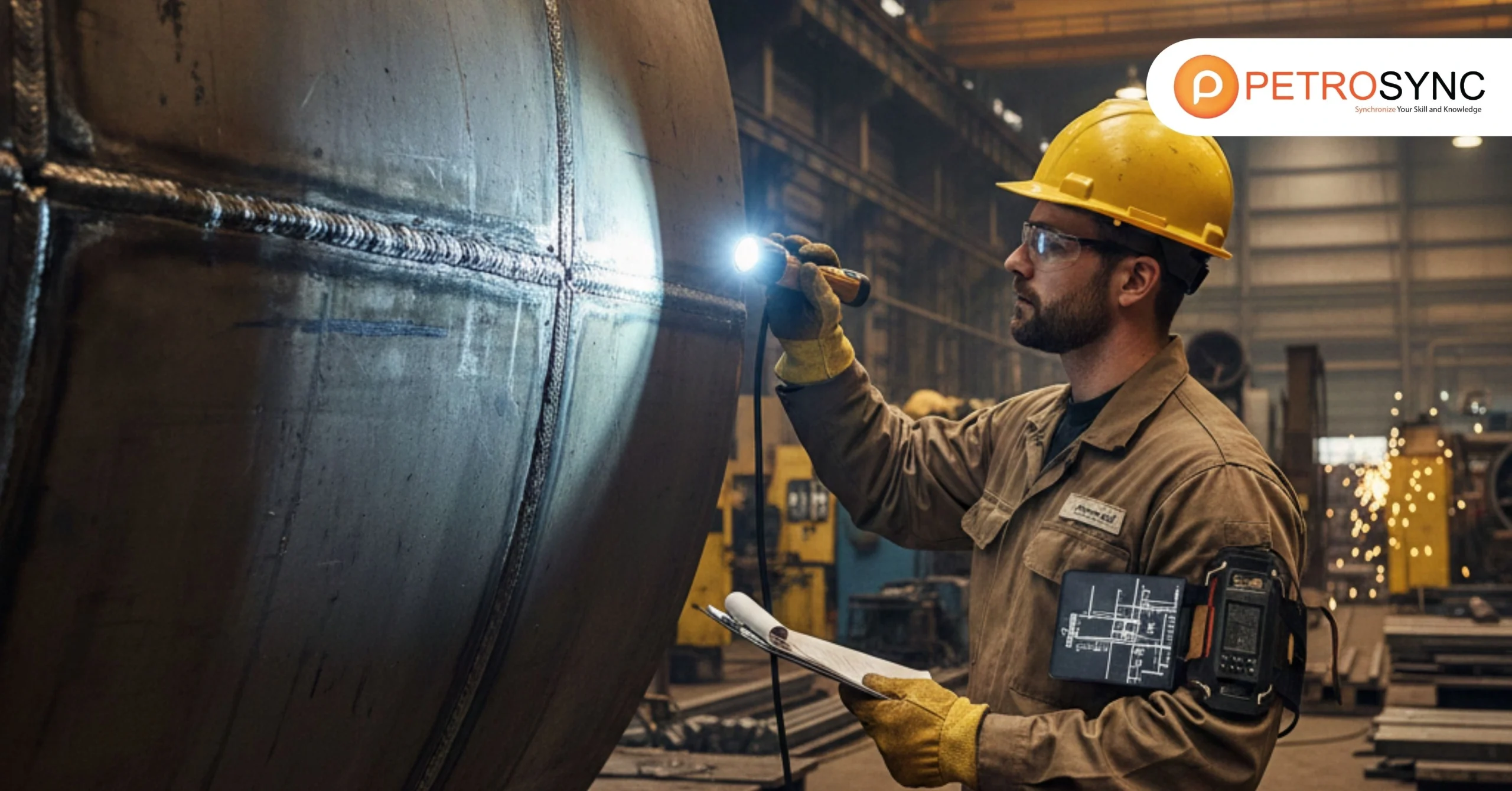
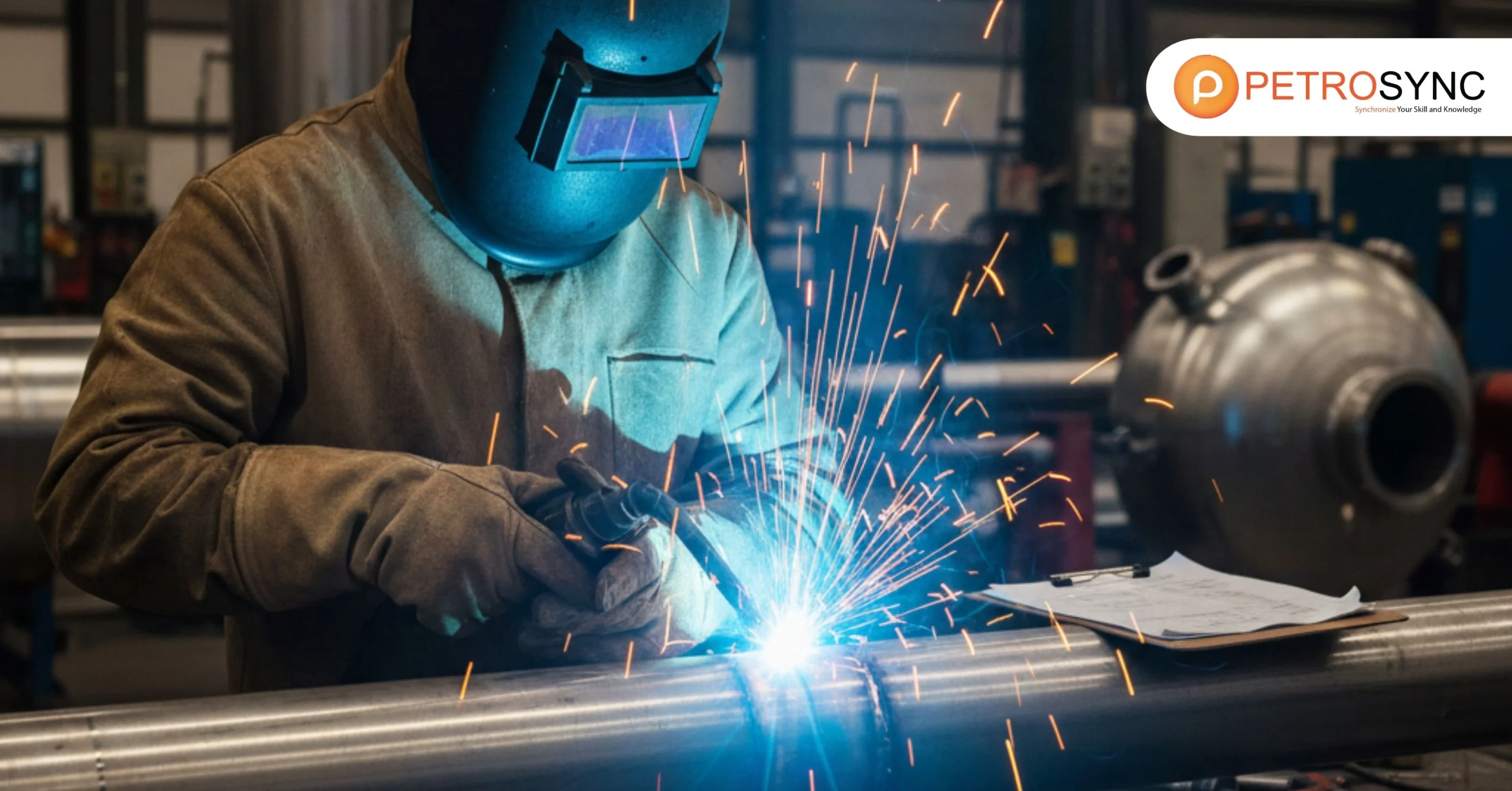
In the dynamic fields of oil and gas, petrochemicals, and energy, the meticulous qualification of welding, brazing, and fusing procedures holds paramount importance. ASME Section IX serves as a vital tool in regulating and defining the standards for these critical…
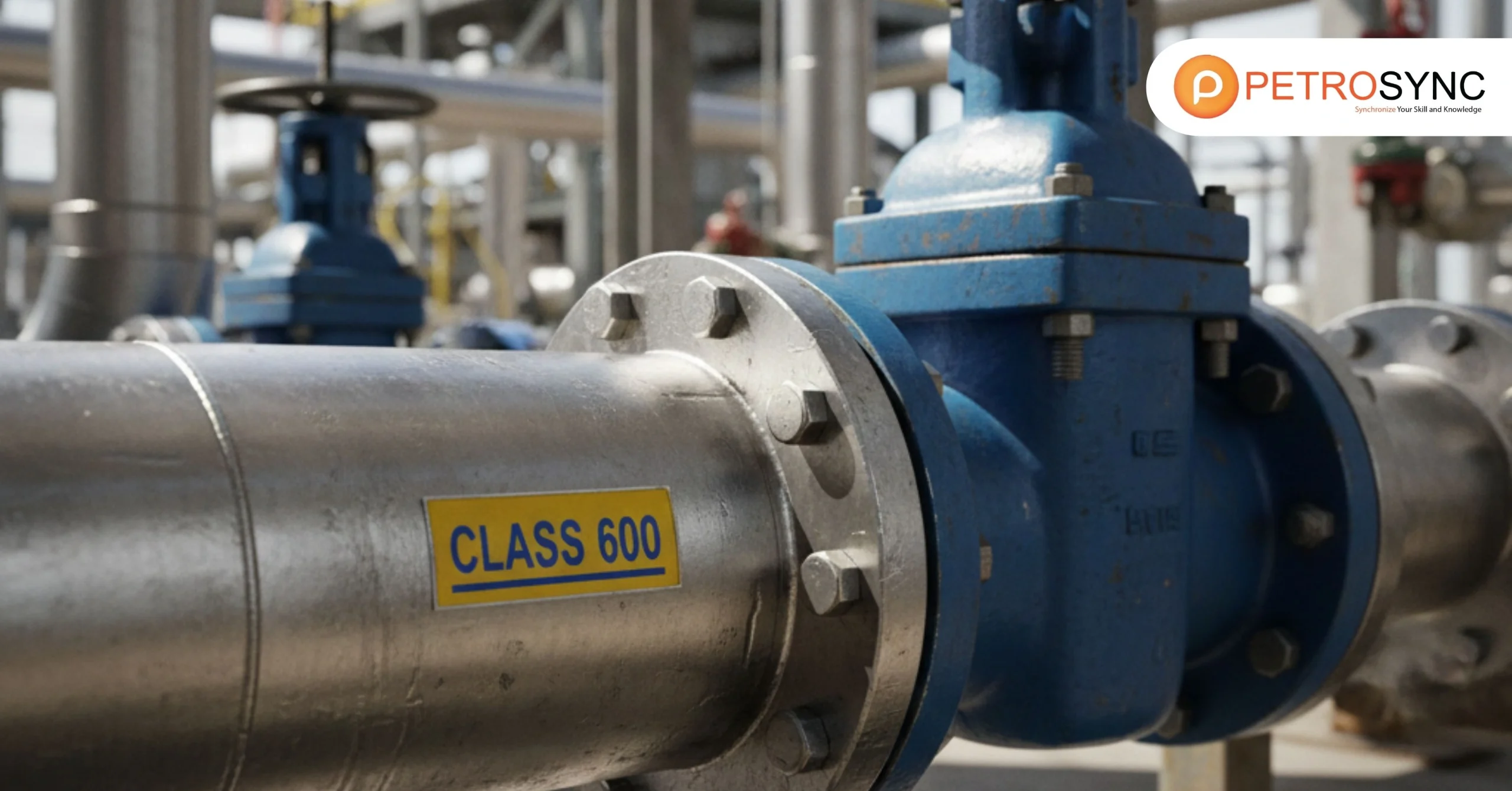
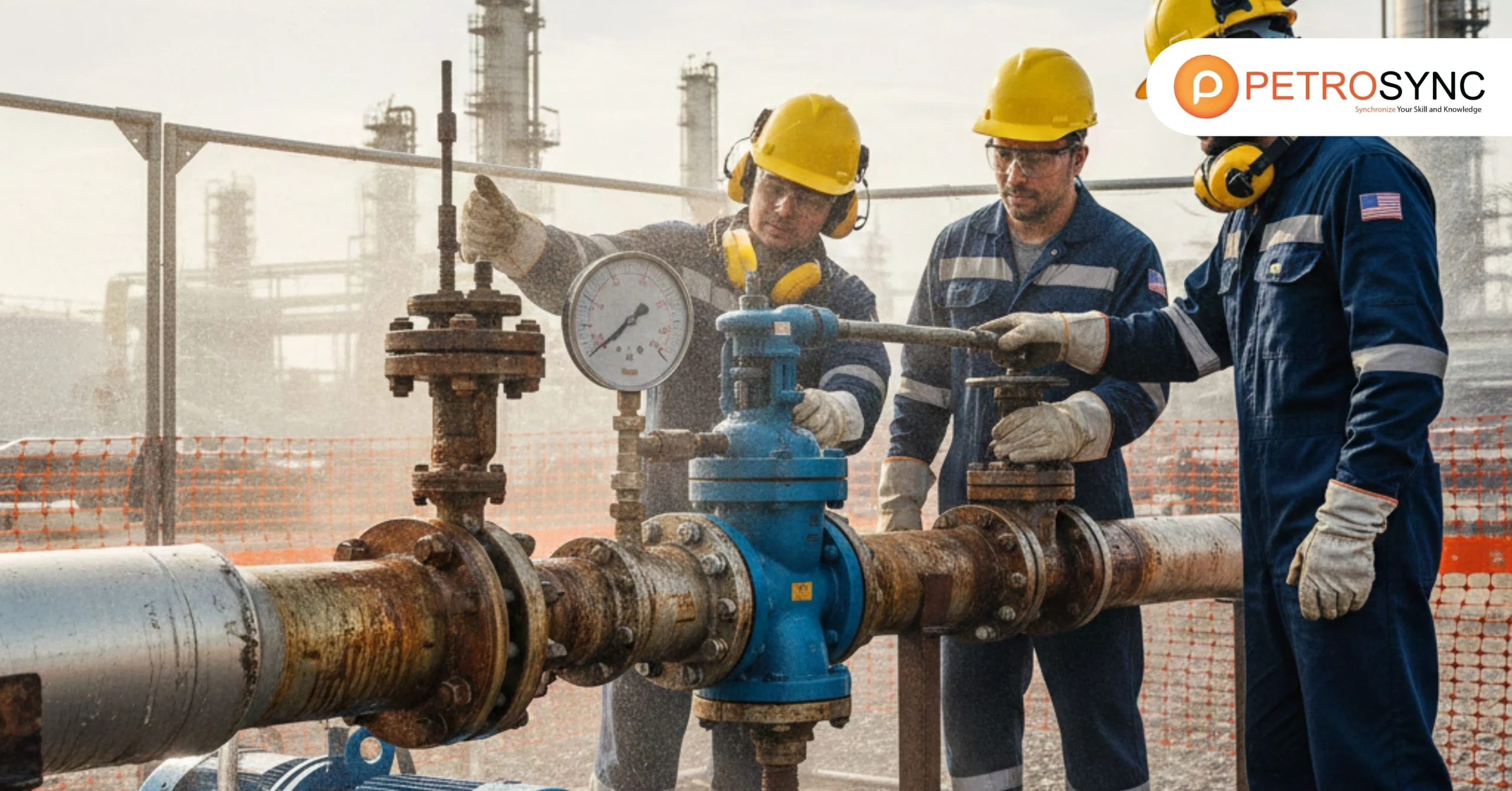
Piping Classes play a crucial role in ensuring the safety, reliability, and efficiency of piping systems in oil and gas operations. Even minor mistakes in material selection or pressure rating can cause costly downtime, operational delays, or serious safety hazards.…
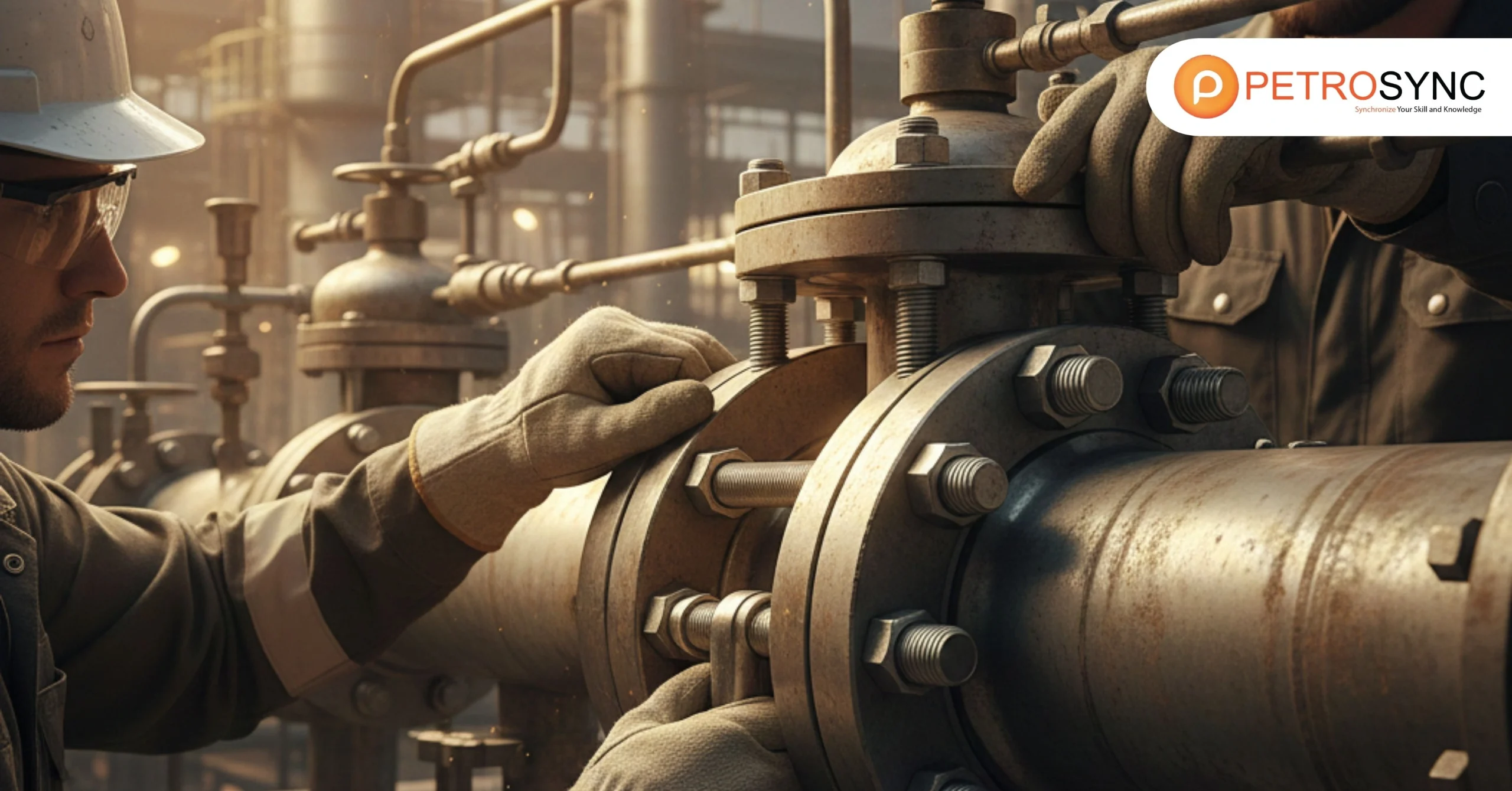
Flanged Joint plays a critical role in ensuring safe and reliable piping connections across the oil and gas, petrochemical, and power generation industries. In systems where extreme pressure, temperature fluctuations, and corrosive chemicals are common, the integrity of every connection…
Pneumatic testing is a commonly employed technique in the oil and gas industry to assess the integrity of pressure vessels, pipelines, and other components. Pneumatic testing has various benefits making it become a preferable technique. In this discussion, we will…
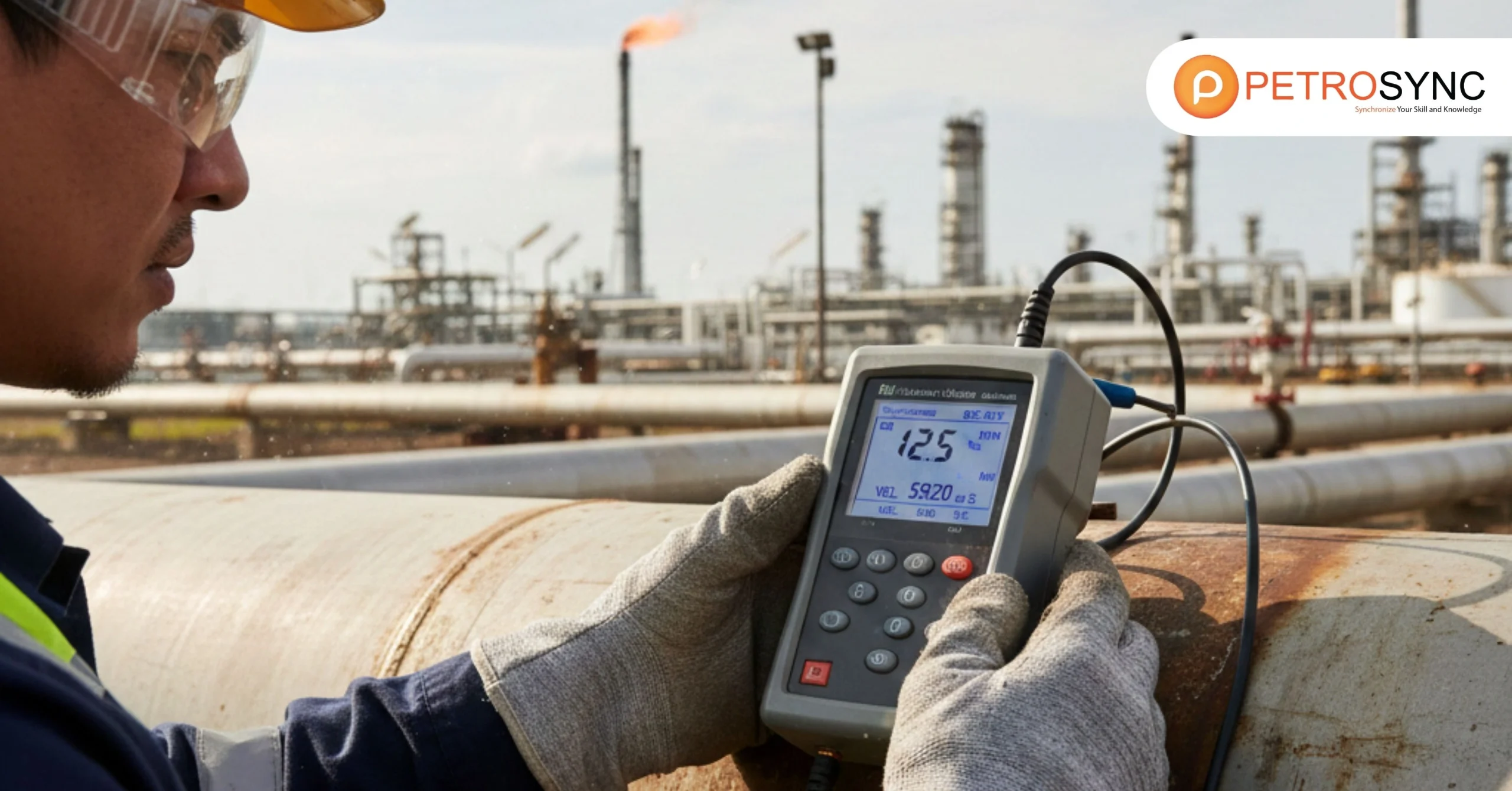
Wall Thickness Measurement is a critical practice in oil and gas operations, ensuring reliability, safety, and long-term asset performance. Every system, pipeline, and pressure-containing equipment faces significant mechanical, chemical, and thermal stress, gradually degrading over time. Corrosion and erosion are…
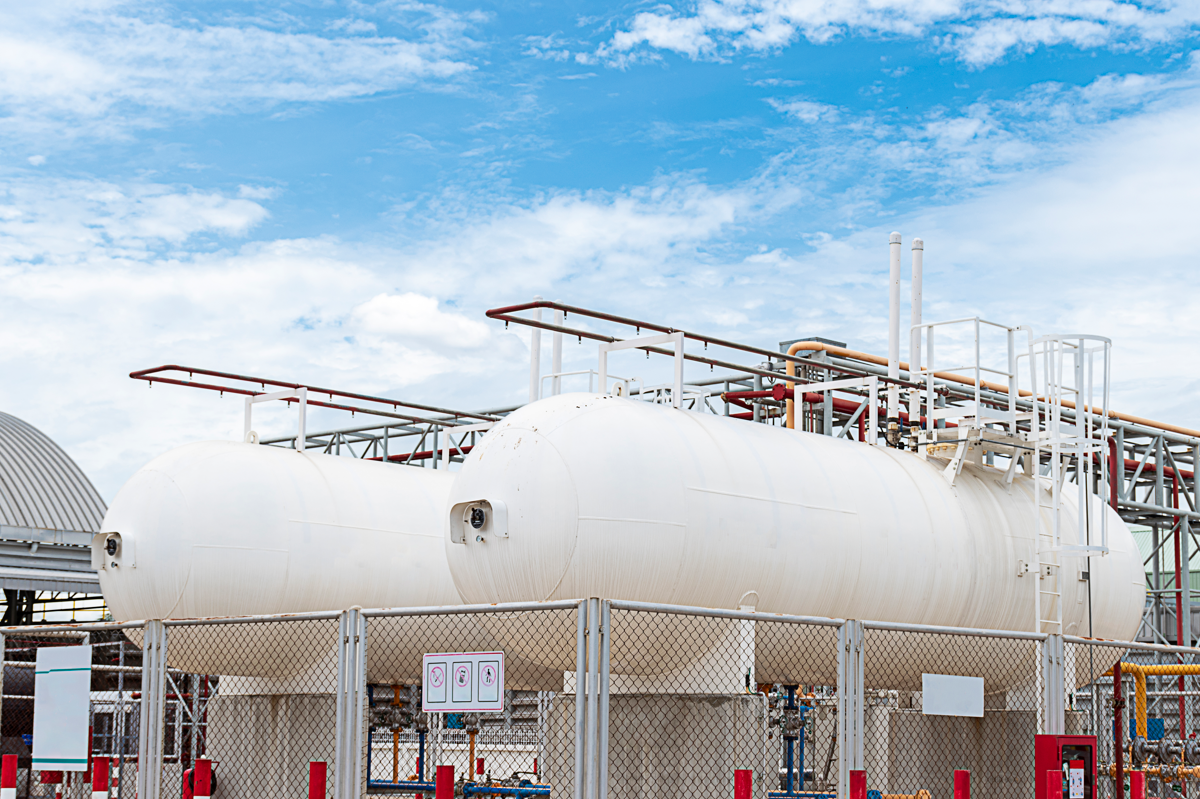
Static equipment plays a critical role in ensuring safe and reliable operations across the oil and gas industry. As production demands increase and operational environments become more complex, maintaining static equipment reliability is no longer simply a maintenance priority —…
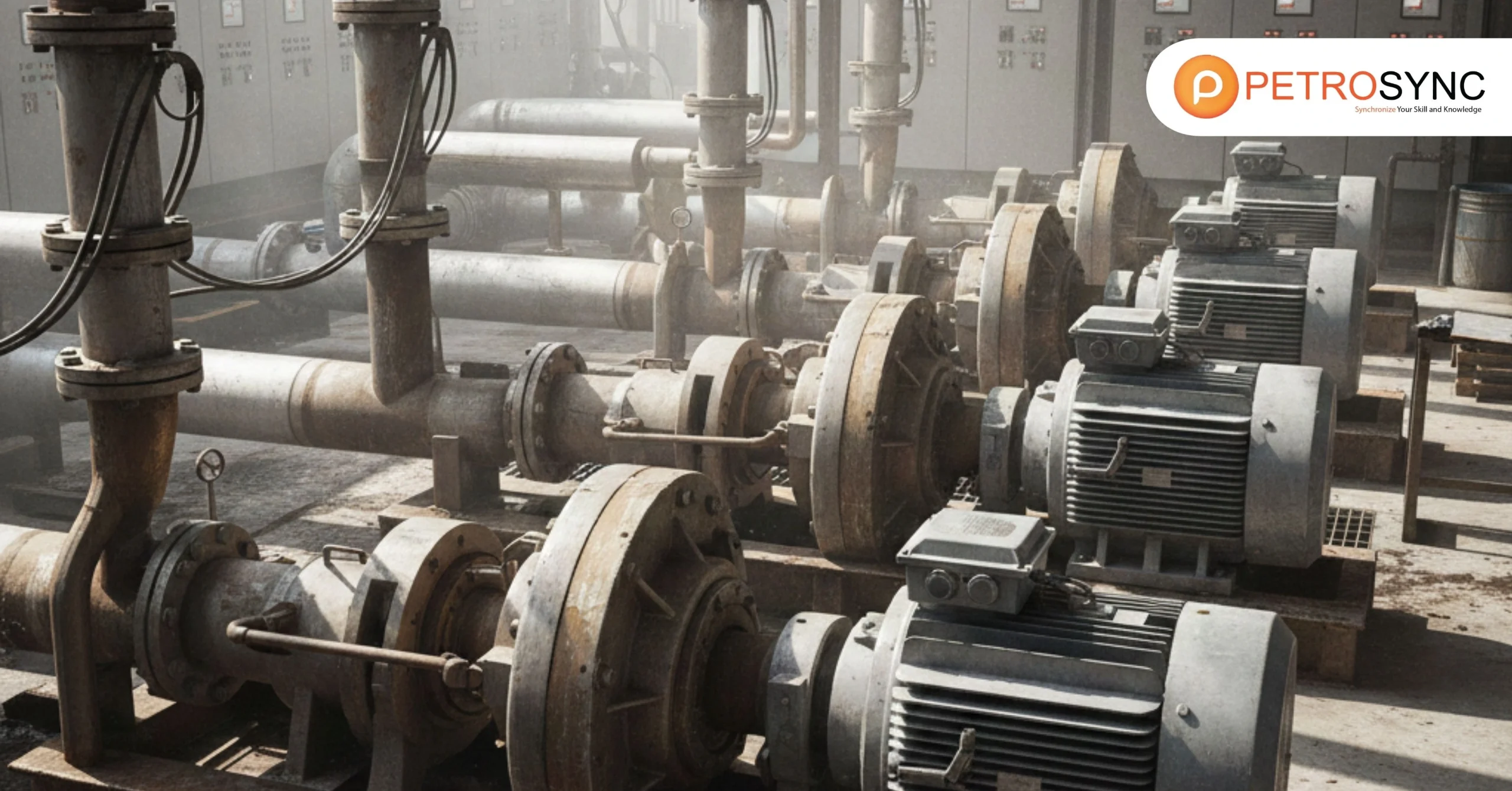
Rotating equipment in oil and gas plants—including pumps, compressors, turbines, and motors—is critical for ensuring plant efficiency, reliability, and continuous production. These machines serve as the mechanical heartbeat of operations, enabling fluid transport, pressure control, and power generation. Despite their…
Maximum Allowable Working Pressure (MAWP) is one of the most critical parameters in the oil and gas industry, governing the safety and efficiency of pressure systems across reactors, heat exchangers, pipelines, and storage tanks. For senior leaders, managers, and executives,…
ASME Section VIII Division 1 is one of the most essential global engineering standards governing the safe design, fabrication, inspection, and certification of pressure vessels used across critical industrial sectors. From oil and gas production, petrochemical processing, and power generation…
Pressure Testing in Oil and Gas Operations is a critical process for ensuring safe and reliable performance across pipelines, wells, and pressure-containing equipment. In an industry where stakes run high, even minor failures — such as leaks or compromised welds…