

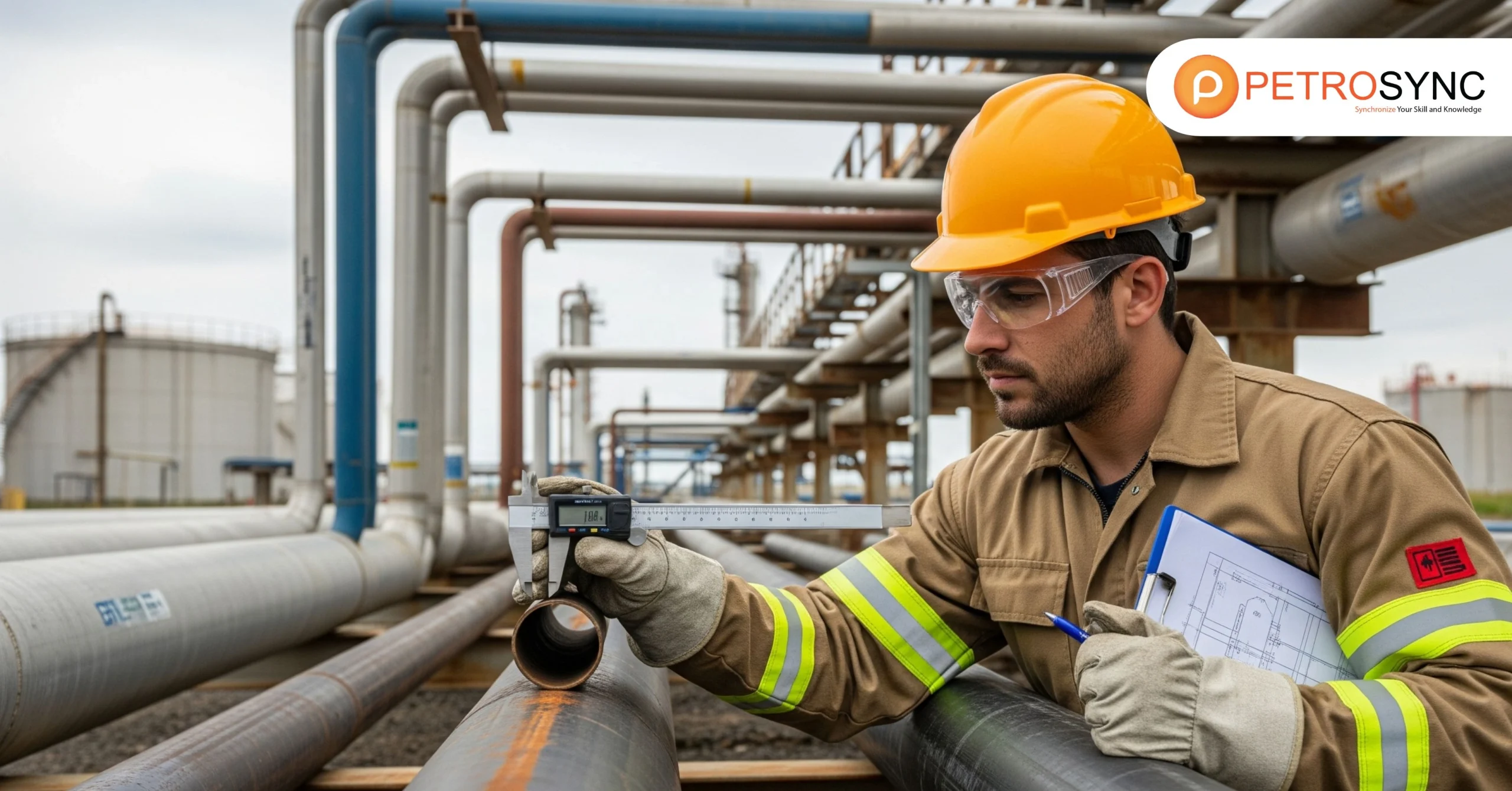
Piping engineering materials are the foundation of safe and efficient industrial operations. From oil and gas refineries to power plant and petrochemical complexes, every piping system depends on the right materials to transport fluids reliably over decades of operation.
Despite their critical role, the selection of piping materials is often overlooked until problems such as corrosion, leaks, or unplanned downtime emerge. The truth is, choosing the right piping engineering materials is not only a technical decision but also a strategic business investment.
Poor choices can cost millions in repairs and lost productivity, while the right materials ensure safety, compliance, and long-term profitability.
What Are Piping Engineering Materials?
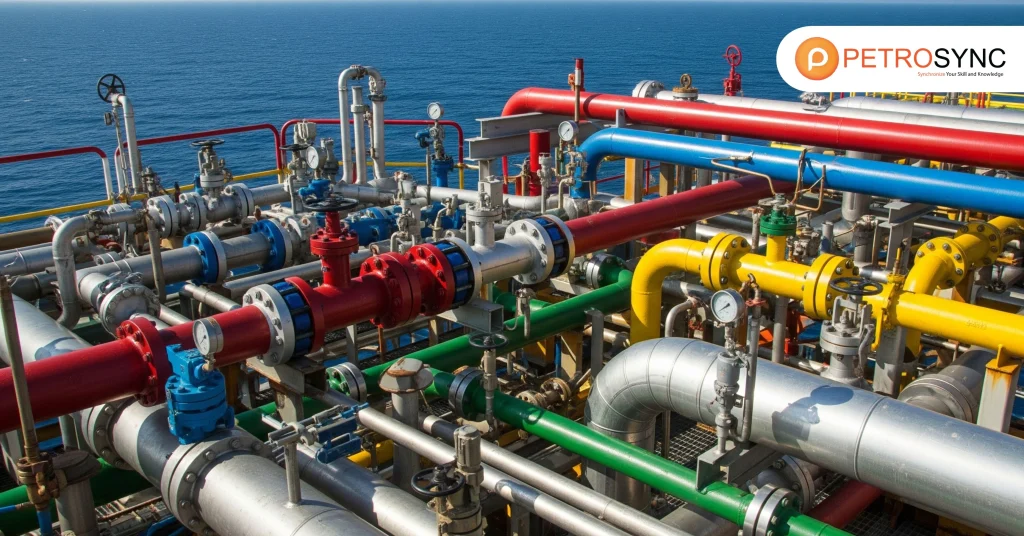
Piping engineering materials are metals, alloys, and non-metallic substances used to design and construct piping systems. Their role extends beyond carrying fluids—they must endure internal pressure, chemical exposure, extreme temperatures, and external stress without losing integrity.
For a simple municipal water system, carbon steel or PVC might be sufficient. But in oil and gas or petrochemical plant, conditions vary drastically. For instance, transporting sour crude at high temperature requires corrosion-resistant alloys, while cryogenic LNG lines demand specialized stainless steels.
In short, piping materials are the backbone of industrial operations, ensuring safe fluid transport while reducing risks and operational costs.
Why Are Piping Engineering Materials Important for Engineering Projects?
The significance of choosing the right piping material lies in four main areas:
1. Safety
Failures in piping systems can have catastrophic consequences. Research in industrial safety journals indicates that nearly a third of process plant accidents stem from material failures. Choosing the right materials is therefore essential to protect both people and assets.
2. System Reliability
In high-capital industries like refining, where downtime can cost hundreds of thousands of dollars per hour, reliability directly impacts profitability. Materials with proven performance ensure steady operations and minimize costly interruptions.
3. Regulatory Compliance
Standards such as ASME B31.3 (Process Piping) and API 570 (Piping Inspection Code) place strong emphasis on material requirements. Non-compliance can result in fines, shutdowns, or reputational damage.
4. Operational Efficiency
Durable materials reduce maintenance, extend service life, and improve efficiency across the lifecycle of the system. This strategic investment yields long-term returns far greater than the initial material cost.

Types of Piping Engineering Materials Used in Industry
Engineers select from a range of materials depending on process requirements:
1. Carbon Steel – Common and Cost-Effective
The most widely used material thanks to its strength and affordability. However, it requires protective coatings to counter corrosion.
2. Stainless Steel – Corrosion-Resistant and Hygienic
With its chromium-rich composition, stainless steel resists corrosion and is vital for sectors like food, pharmaceuticals, and LNG. While more expensive, its durability justifies the cost.
3. Alloy Steel – For High-Temperature and High-Pressure Applications
Enriched with elements like molybdenum and chromium, alloy steels withstand extreme conditions, making them indispensable in boilers, reactors, and steam lines.
4. Non-Metallic Materials – Lightweight and Chemically Resistant
Plastics and composites like PVC, HDPE, and fiberglass are lightweight, affordable, and effective for corrosive, low-pressure systems.
5. Lined and Cladded Materials – For Aggressive Environments
A hybrid approach where base materials are reinforced with corrosion-resistant linings or cladding, balancing cost and performance.
Key Elements in Choosing Piping Engineering Materials
Material selection requires evaluating multiple factors holistically:
Operating Conditions – Temperature, Pressure, Flow
High-temperature or cryogenic systems demand materials that retain strength and stability under stress.
Corrosion Resistance and Compatibility
Engineers must align materials with the chemical nature of the fluid. Failure to do so accelerates degradation and raises safety risks.
Compliance with Industry Standards
Adhering to global codes such as API 570 and ASME B31.3 ensures designs meet proven safety benchmarks and regulatory requirements.
Cost, Availability, and Lifecycle
Decision-making should weigh long-term maintenance savings against upfront investment. Often, a more expensive alloy pays back through reduced failures and extended lifecycle.
Master Piping Engineering Materials with PetroSync’s API 570 & ASME B31.3 Training
While experience plays a role in engineering decisions, structured knowledge aligned with global standards makes the difference between good and excellent projects.
PetroSync’s API 570 & ASME B31.3 training empowers professionals to:
1. Interpret and apply international piping standards.
2. Select the most effective materials for safety and cost-efficiency.
3. Learn from real-world case studies and expert guidance.
For senior managers, engineers, and decision-makers, mastering piping materials is more than a technical skill—it is a leadership asset that protects operations, ensures compliance, and strengthens competitiveness in a challenging industry.

Results-oriented and thorough SEO specialist with extensive experience in conducting keyword research, developing and implementing digital website promotion strategies and plans, managing campaigns to develop company websites in the digital world, excellent knowledge of marketing techniques and principles, and attentive strong attention to detail.