


- ASME Section I is the core standard for safe power boiler design, fabrication, testing, and certification in high-pressure operations.
- Misreading stress limits or hydrotest rules can trigger rupture, steam explosions, audit failure, and major financial loss.
- Strong code mastery cuts rework, prevents premature damage, and protects production continuity in steam-dependent facilities.
- Embedding requirements into design reviews, procurement specs, and QA/QC workflows strengthens reliability and compliance.
- Structured competency programs turn clause knowledge into practical judgment, boosting audit readiness and engineering credibility.
ASME Section I is not just a technical document—it is a critical engineering foundation for ensuring the safe design and operation of power boilers in high-risk industries. In oil and gas facilities where steam systems support refining, petrochemical processing, drilling operations, and power generation, failure to properly apply ASME Section I requirements can result in catastrophic mechanical incidents, regulatory violations, and significant financial losses.
A single misinterpretation of allowable stress, improper material selection, or incorrect hydrostatic test pressure can compromise the integrity of an entire boiler system. That is why mastering ASME Section I is not optional—it is a best-practice requirement for engineering excellence.
What is ASME Section I?
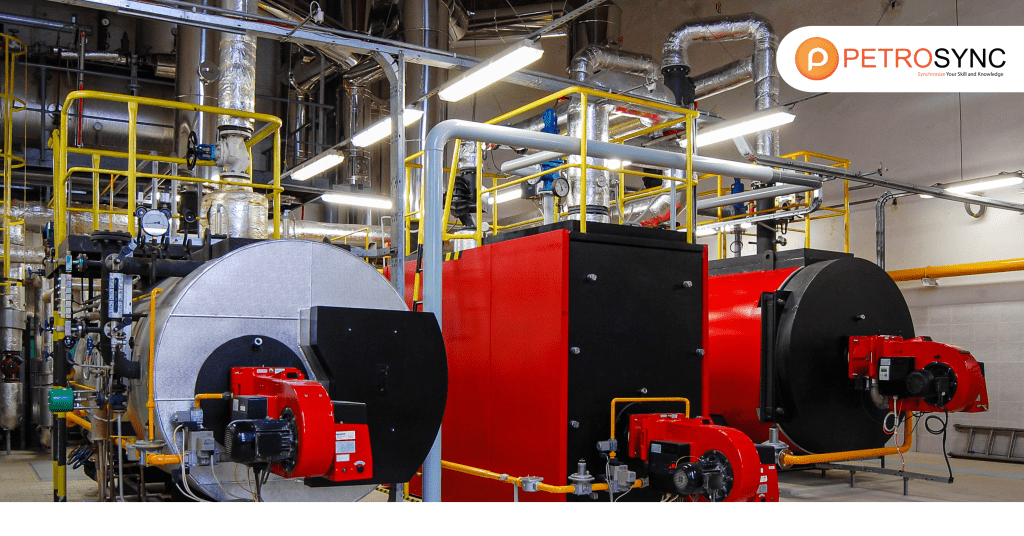
ASME Section I is part of the Boiler and Pressure Vessel Code (BPVC) published by the American Society of Mechanical Engineers. It governs the design, fabrication, inspection, testing, and certification of Power Boilers operating at high pressures.
Key technical coverage includes:
- Design formulas for minimum required thickness (e.g., PG-27 requirements)
- Maximum allowable working pressure (MAWP)
- Material specification and allowable stress values
- Welding procedure qualification (WPS/PQR)
- Hydrostatic testing requirements (typically 1.5 × MAWP)
- Inspection, stamping, and certification processes
Unlike other pressure vessel sections, Section I specifically focuses on boilers generating steam for power or process use under elevated pressure conditions. This distinction is critical in oil & gas applications where boiler reliability directly impacts production continuity.
Potential Risks of Improper Management or Misunderstanding of ASME I
Failure to implement ASME Section I correctly can expose companies to severe technical and operational consequences.
1. Risk of Boiler & Pressure Vessel Failure
Improper thickness calculation or material misapplication can lead to:
- Overstress beyond allowable limits
- Thermal fatigue cracking
- Creep damage in high-temperature zones
Boiler rupture incidents remain among the highest-consequence mechanical failures in heavy industry.
2. Increased Safety Hazards for Operations
Boilers operate under extreme pressure and temperature. Non-compliance may result in:
- Steam explosions
- Fire and secondary damage
- Severe personnel injury
Best practice demands strict adherence to code requirements and inspection protocols.
3. Non-Compliance with Regulatory Requirements
Many national authorities adopt or reference ASME BPVC standards. Non-compliance may lead to:
- Failed audits
- Legal exposure
- Operating license suspension
Compliance is both a technical and governance responsibility.
4. Higher Maintenance & Repair Costs
Incorrect fabrication or design oversight often results in:
- Rework during commissioning
- Premature component replacement
- Increased inspection frequency
Reactive repair costs are significantly higher than preventive compliance investment.
5. Operational Downtime & Production Losses
Steam system instability directly affects:
- Process efficiency
- Refinery throughput
- Drilling support operations
Unplanned boiler shutdowns can disrupt entire production trains.
Benefits of Mastering ASME Section I for the Oil & Gas Industry
Developing deep expertise in ASME Section I delivers measurable operational and financial advantages.
1. Based on ASME Code & Real Engineering Applications
Understanding actual clause interpretation—such as allowable stress calculations or hydrotest pressure determination—ensures proper design and verification.
2. Practical & Applied Case Study Approach
Analyzing historical failure cases improves risk anticipation and engineering judgment.
3. Experienced Instructors from Global Industry Practitioners
Learning from field-experienced professionals bridges theory with practical application.
4. Curriculum Aligned with International Standards & Best Practices
Alignment with global engineering practices ensures applicability across multinational projects.
5. Trusted by Energy Companies & Global Industries
Competency in ASME Section I strengthens credibility in EPC, operator, and regulatory environments.
6. International Reputation as an Oil & Gas Training Provider
Professionals trained under internationally recognized frameworks gain competitive advantage.
How to Address ASME Section I Challenges More Effectively
Implementing best practices requires more than reading the code—it requires structured competency development.
1. Develop Professional Competence through Structured Programs like PetroSync
Structured learning ensures engineers understand:
- Thickness calculations
- MAWP determination
- Welding compliance
- Inspection acceptance criteria
2. Apply Relevant Industry Best Practices & Standards for ASME Section I
Integrating Section I with risk-based inspection (RBI) and asset integrity management strengthens reliability programs.
3. Integrate ASME Section I Knowledge into Operational & Engineering Processes
Best practice includes embedding Section I requirements into:
- Design review procedures
- Procurement specifications
- Maintenance planning
- QA/QC checklists
4. Enhance Team Capability through Case Studies & Field Learning
Real-world learning improves cross-functional communication between engineering, inspection, and operations teams.
5. Conduct Evaluation, Review & Continuous Improvement
Continuous audit and technical review processes ensure sustained compliance and performance.
General Competency Development Solutions for ASME Section I
Effective development programs should include:
- Code interpretation workshops
- Design calculation exercises
- Material and allowable stress review
- Welding qualification assessment
- Hydrostatic testing evaluation
- Failure mechanism analysis

PetroSync ASME Section I Competency Development Programs for Oil & Gas Professionals
PetroSync provides structured competency programs designed specifically for oil & gas professionals.
1. Curriculum Based on International Standards & Industry Practice
Training materials reflect the latest BPVC revisions and global engineering practices.
2. Experienced Instructors from Practitioners & Subject Matter Experts
Programs are led by industry practitioners with hands-on project experience.
3. Practical & Applied Learning Approach
Workshops emphasize calculation exercises and real engineering scenarios.
4. Case Studies Based on Real Field Conditions
Participants analyze real boiler system challenges from refinery and upstream facilities.
5. Public & In-House Program Schemes
Flexible delivery models allow tailored learning aligned with organizational needs.
6. Always Updated & Relevant Learning Materials
Content is continuously reviewed to remain aligned with current code revisions.
7. Learning Experience Support from Engineers to Management
Programs are structured to support technical teams and managerial decision-makers.
8. Program Certificate for Competency & Career Development
Certification enhances professional credibility and career progression.
PetroSync ASME Section I Program Advantages for Companies
1. Relevant for Various Disciplines & Professional Levels
Suitable for mechanical engineers, inspectors, QA/QC personnel, and engineering managers.
2. Focused on Competency Improvements with Real Impact
Emphasis on measurable improvements in compliance and reliability.
3. Supports Compliance, Audits & Operational Reliability
Enhances audit readiness and strengthens asset integrity programs.
4. Flexible for Project, Asset & Organizational Needs
Customizable based on project scope and operational complexity.
5. Global Reputation & Experience in the Oil & Gas Industry
Backed by extensive industry exposure across global markets.
6. Designed for Drilling & Well Operational Challenges
Applicable to facilities supporting drilling and well operations.
Schedule Your PetroSync ASME Section I Competency Program Now
In high-pressure industries, compliance is not optional—it is essential for operational survival. Mastering ASME Section I protects assets, safeguards personnel, and ensures long-term business sustainability. Strengthen your engineering capability, reduce operational risk, and enhance regulatory confidence.
Schedule your PetroSync ASME Section I competency development program today and equip your team with the expertise required to manage power boiler systems with precision, safety, and global-standard compliance.
Frequently Asked Questions (FAQ)
ASME Section I is part of the Boiler and Pressure Vessel Code (BPVC) that governs the design, fabrication, inspection, testing, and certification of high-pressure power boilers. In oil and gas facilities, proper application ensures safe steam generation, protects assets, and prevents catastrophic mechanical failures.
ASME Section I covers minimum required thickness calculations, maximum allowable working pressure (MAWP), material specifications, allowable stress values, welding procedure qualification (WPS/PQR), hydrostatic testing requirements, and inspection and certification processes.
Incorrect stress calculations, improper material selection, or inaccurate hydrostatic testing can lead to boiler rupture, steam explosions, regulatory non-compliance, costly repairs, and unplanned production downtime.
Deep understanding of code clauses strengthens design accuracy, inspection quality, and compliance management. It reduces rework, prevents premature damage, improves audit readiness, and supports long-term production continuity.
Companies can implement structured competency programs that include code interpretation workshops, calculation exercises, welding qualification review, hydrostatic testing evaluation, and real case study analysis to ensure practical and sustainable compliance.

Results-oriented and thorough SEO specialist with extensive experience in conducting keyword research, developing and implementing digital website promotion strategies and plans, managing campaigns to develop company websites in the digital world, excellent knowledge of marketing techniques and principles, and attentive strong attention to detail.