A well log, also known as a borehole log or simply a log, is a record of measurements taken during the drilling of an oil or gas well. In well-log analysis, engineers interpret and analyze data from well logs to…
Reliability-Centered Maintenance (RCM) is a maintenance strategy implemented at the organizational level to maximize the effectiveness of maintenance programs by establishing minimum required levels of equipment upkeep. RCM focuses on aligning specific assets with the most suitable maintenance techniques with…

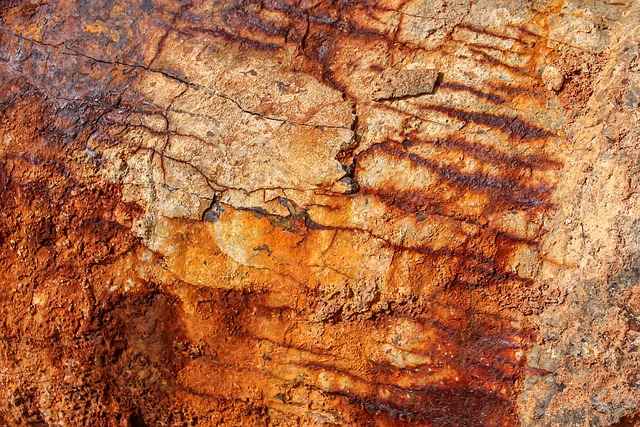
Corrosion protection is a vital practice in the petrochemical and energy industry. It prevents safety hazards, reduces costs, and maintains compliance with regulations. Corrosion can cause equipment failure, reduce efficiency, and result in legal liabilities. In this article, we will…
Welding repair is an important task in industries that use heavy equipment like pressure vessels. It involves connecting metal parts using heat, pressure, and sometimes filler material. Proper welding repair requires specialized skills, knowledge, and equipment to ensure the welding…
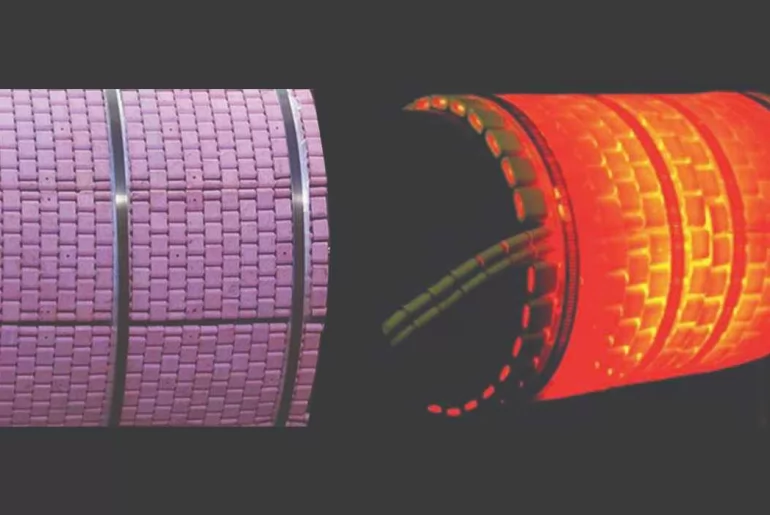
Industries that use heavy machinery and equipment often require post weld heat treatment (PWHT) to strengthen and improve the durability of welded components. In oil and gas where harsh environment is common, heat treatment can also enhance the corrosion resistance…
In industrial settings, causal factors refer to the factors that contribute to a specific outcome. Recognizing these factors is vital for industries to identify the root cause of problems and take measures to address them. Understanding and resolving causal factors…
As commonly happens, accidents have become an inevitable occurrence in workplaces, especially in the high-risk industry. It is crucial to conduct a thorough accident investigation to prevent similar incidents in the future. The investigation process involves examining the events leading…
In the oil and gas industry, exploring and producing these reservoirs is a critical component of the upstream process. To extract hydrocarbons from the reservoir, engineers drill wells into the rock and use various production techniques to bring the oil…
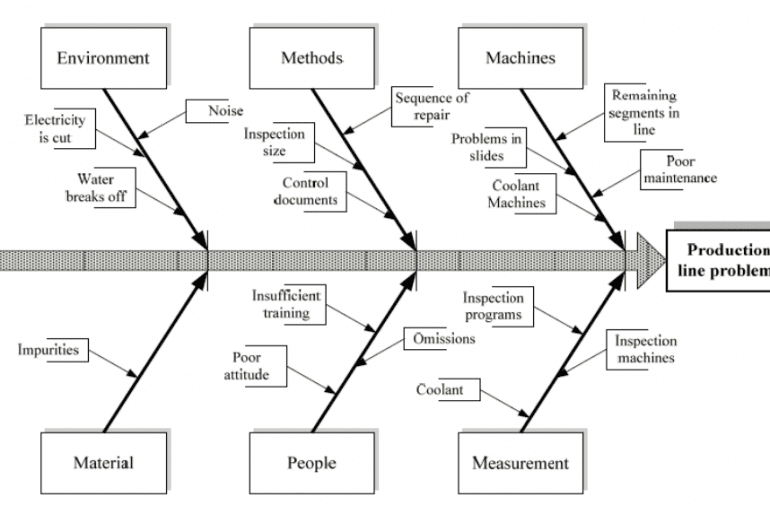
The fishbone diagram is a widely-used tool for problem-solving and root-cause analysis. It visually represents various factors contributing to an issue, aiding in the identification of underlying causes. In the following passage, we will delve into the fishbone diagram’s components…
The energy industries, such as power plants, oil and gas, and petrochemicals, frequently utilize a risk management approach because their operations are inherently hazardous. It becomes crucial for these industries to implement risk management as a way to mitigate the…