Industries that use heavy machinery and equipment often require post weld heat treatment (PWHT) to strengthen and improve the durability of welded components. In oil and gas where harsh environment is common, heat treatment can also enhance the corrosion resistance…
In industrial settings, causal factors refer to the factors that contribute to a specific outcome. Recognizing these factors is vital for industries to identify the root cause of problems and take measures to address them. Understanding and resolving causal factors…
As commonly happens, accidents have become an inevitable occurrence in workplaces, especially in the high-risk industry. It is crucial to conduct a thorough accident investigation to prevent similar incidents in the future. The investigation process involves examining the events leading…
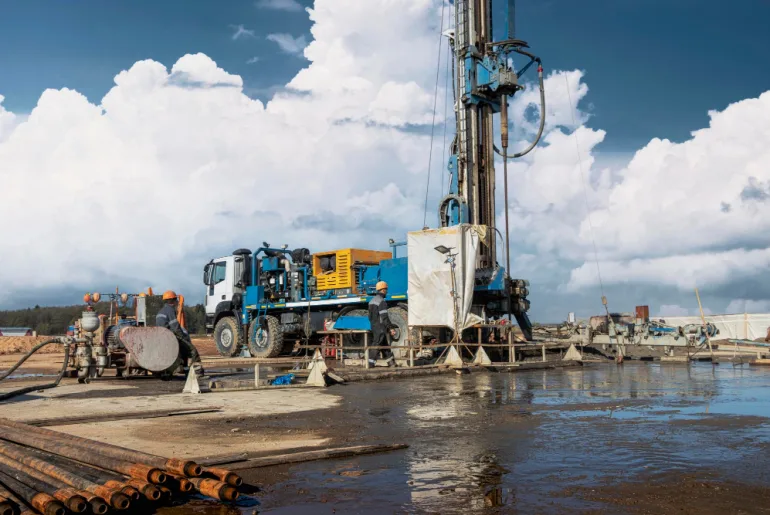
In the oil and gas industry, exploring and producing these reservoirs is a critical component of the upstream process. To extract hydrocarbons from the reservoir, engineers drill wells into the rock and use various production techniques to bring the oil…
The fishbone diagram is a widely-used tool for problem-solving and root-cause analysis. It visually represents various factors contributing to an issue, aiding in the identification of underlying causes. In the following passage, we will delve into the fishbone diagram’s components…
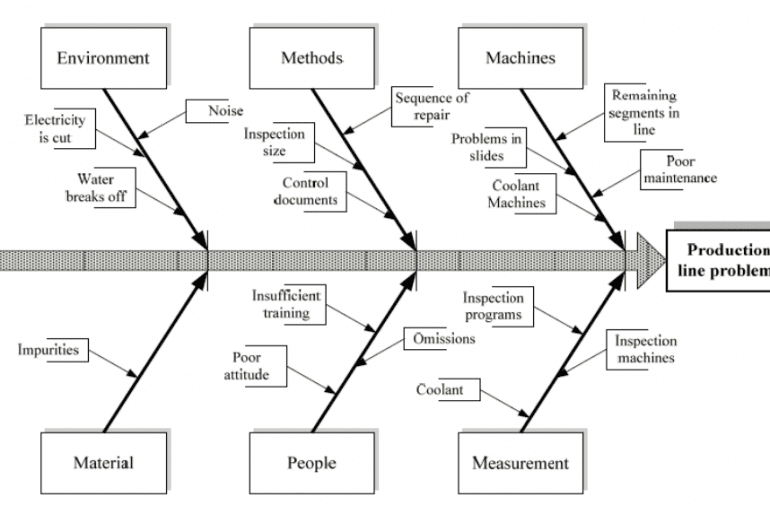
The energy industries, such as power plants, oil and gas, and petrochemicals, frequently utilize a risk management approach because their operations are inherently hazardous. It becomes crucial for these industries to implement risk management as a way to mitigate the…
Risk analysis plays a vital role in the oil and gas, petrochemicals, and power plants industry. The risk analysis approach is essential for identifying and mitigating potential risks, and ensuring the safety, reliability, and efficiency of operations in these sectors.…
In the field of engineering, the utmost priority lies in ensuring safety and reliability. Among the array of tools and methodologies employed for safety, Failure Mode and Effects Analysis (FMEA) holds a significant position. FMEA serves as a robust instrument…
Having a thorough understanding of damage mechanisms is crucial for damage mitigation and risk-based inspection. Whether it pertains to petrochemicals, chemicals, power plants, or the oil and gas industry, possessing a comprehensive knowledge of the processes and factors that contribute…
Stress corrosion cracking is a significant problem in the oil and gas industry. Exposure of metal structures to stress, corrosive environments, and chemical agents can cause cracks that can lead to catastrophic failure. Both upstream and downstream companies must understand…