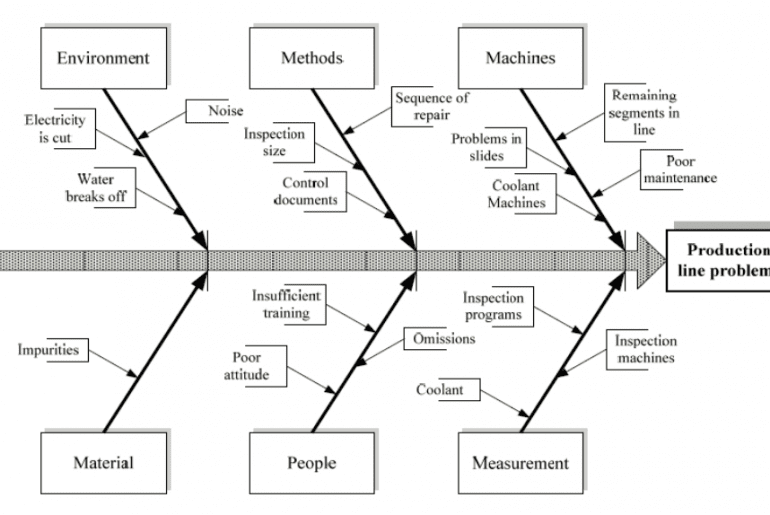
The fishbone diagram is a widely-used tool for problem-solving and root-cause analysis. It visually represents various factors contributing to an issue, aiding in the identification of underlying causes. In the following passage, we will delve into the fishbone diagram’s components…
The energy industries, such as power plants, oil and gas, and petrochemicals, frequently utilize a risk management approach because their operations are inherently hazardous. It becomes crucial for these industries to implement risk management as a way to mitigate the…
Risk analysis plays a vital role in the oil and gas, petrochemicals, and power plants industry. The risk analysis approach is essential for identifying and mitigating potential risks, and ensuring the safety, reliability, and efficiency of operations in these sectors.…
In the field of engineering, the utmost priority lies in ensuring safety and reliability. Among the array of tools and methodologies employed for safety, Failure Mode and Effects Analysis (FMEA) holds a significant position. FMEA serves as a robust instrument…
Stress corrosion cracking is a significant problem in the oil and gas industry. Exposure of metal structures to stress, corrosive environments, and chemical agents can cause cracks that can lead to catastrophic failure. Both upstream and downstream companies must understand…
Well control plays a crucial role in safeguarding personnel, preserving the environment, and averting the potentially disastrous outcomes of blowouts. As one of the well-established and extensively studied disciplines within the oil and gas sector, the significance of well control…
The oil and gas industry relies on well intervention as a vital component of the upstream process. Well intervention involves any activities necessary to boost well production and it provides major advantages as it directly affects production optimization, wellbore cleaning,…
ASME Section VIII is a part of the ASME Boiler and Pressure Vessel Code (BPVC) that establishes standards for ensuring the safety and reliability of pressure vessels and boilers. It focuses on designing, constructing, inspecting, and certifying pressure vessels for…
Coiled tubing is a long, flexible tube made of steel or composite materials that can be wound onto a sizable reel for easy transportation. Coiled tubing operation has become a crucial tool in the oil and gas industry, offering engineers…
Reliability-Centered Maintenance (RCM) is a maintenance strategy implemented at the organizational level to maximize the effectiveness of maintenance programs by establishing minimum required levels of equipment upkeep. RCM focuses on aligning specific assets with the most suitable maintenance techniques with…