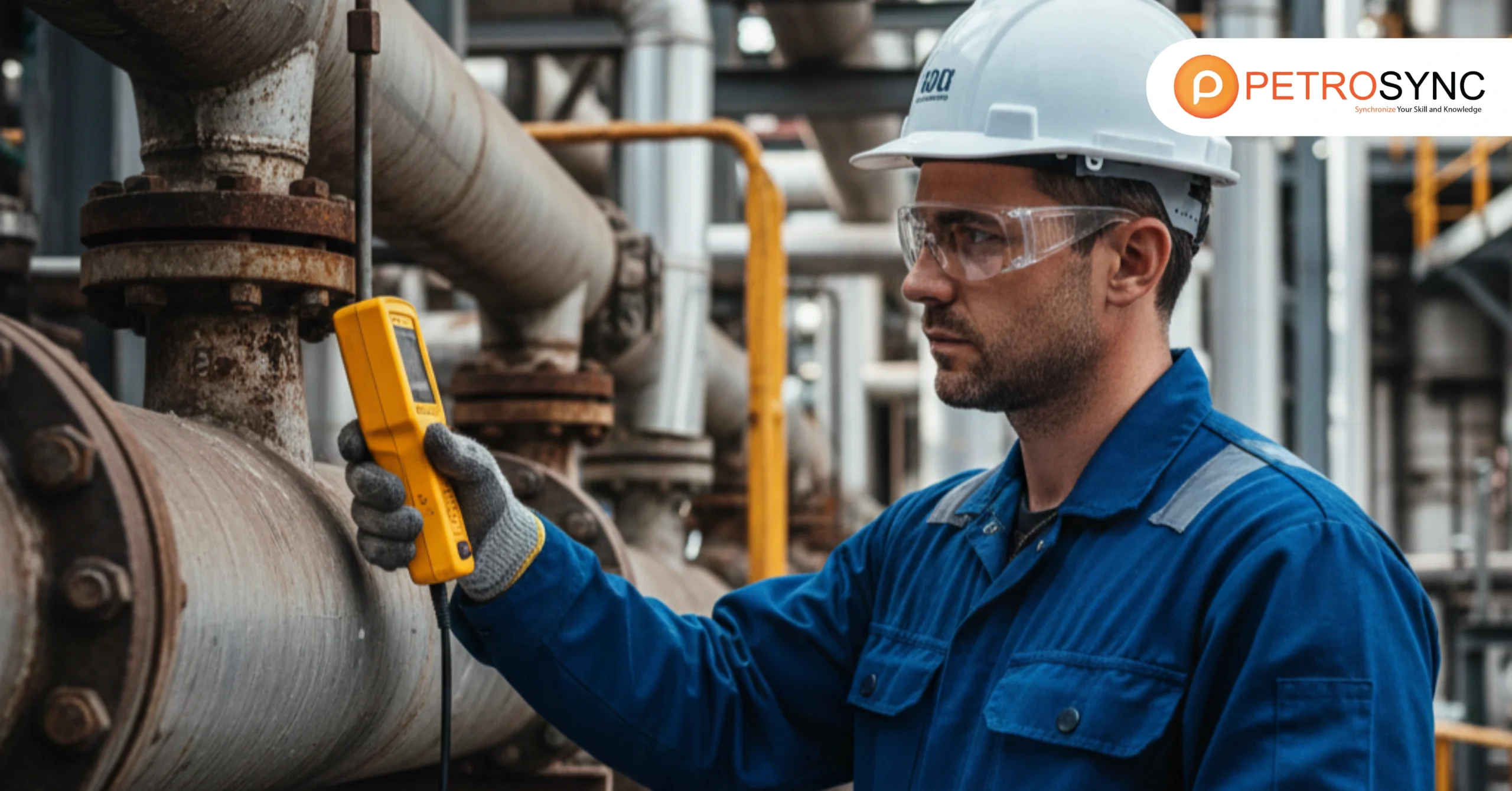
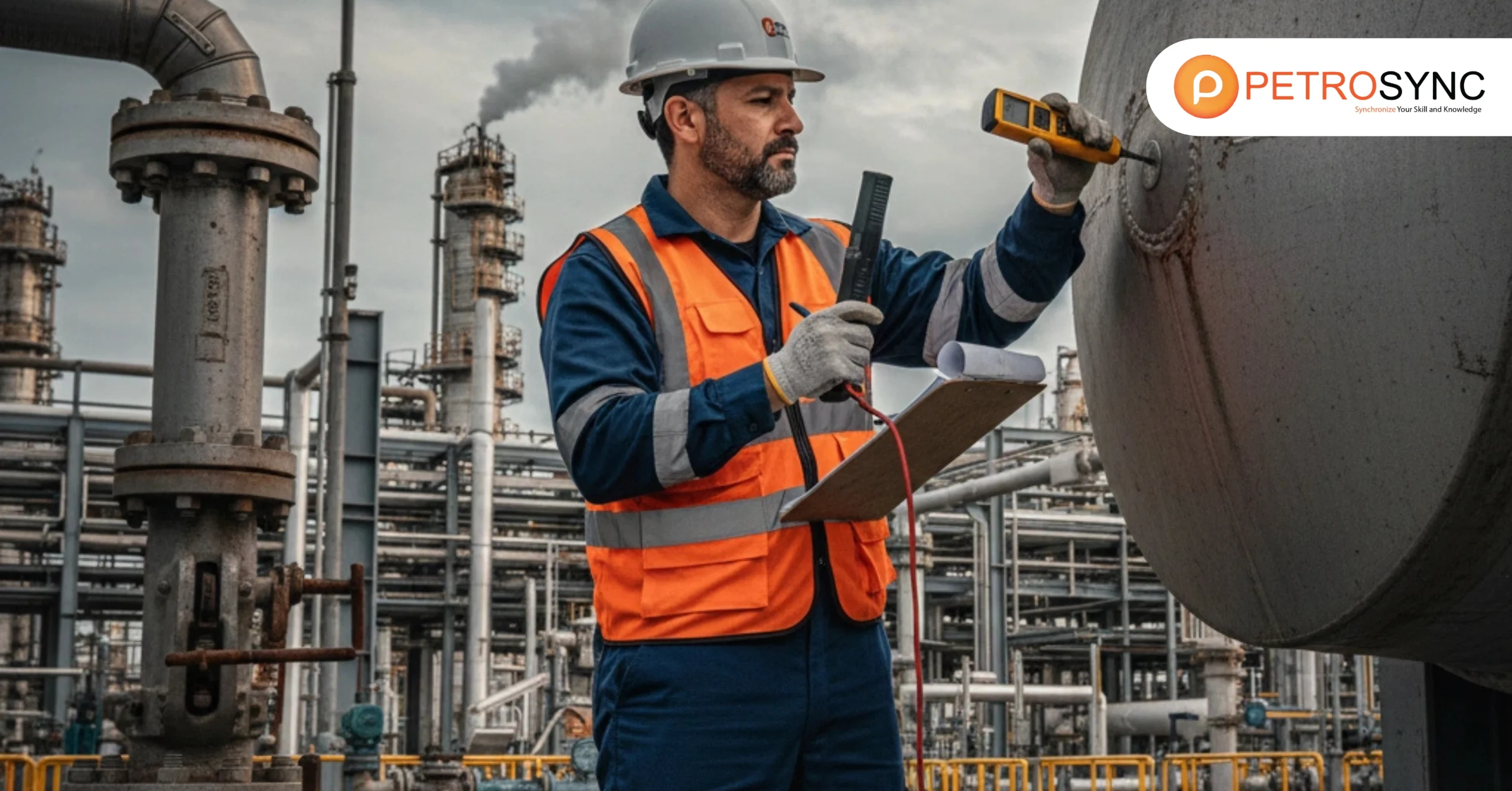
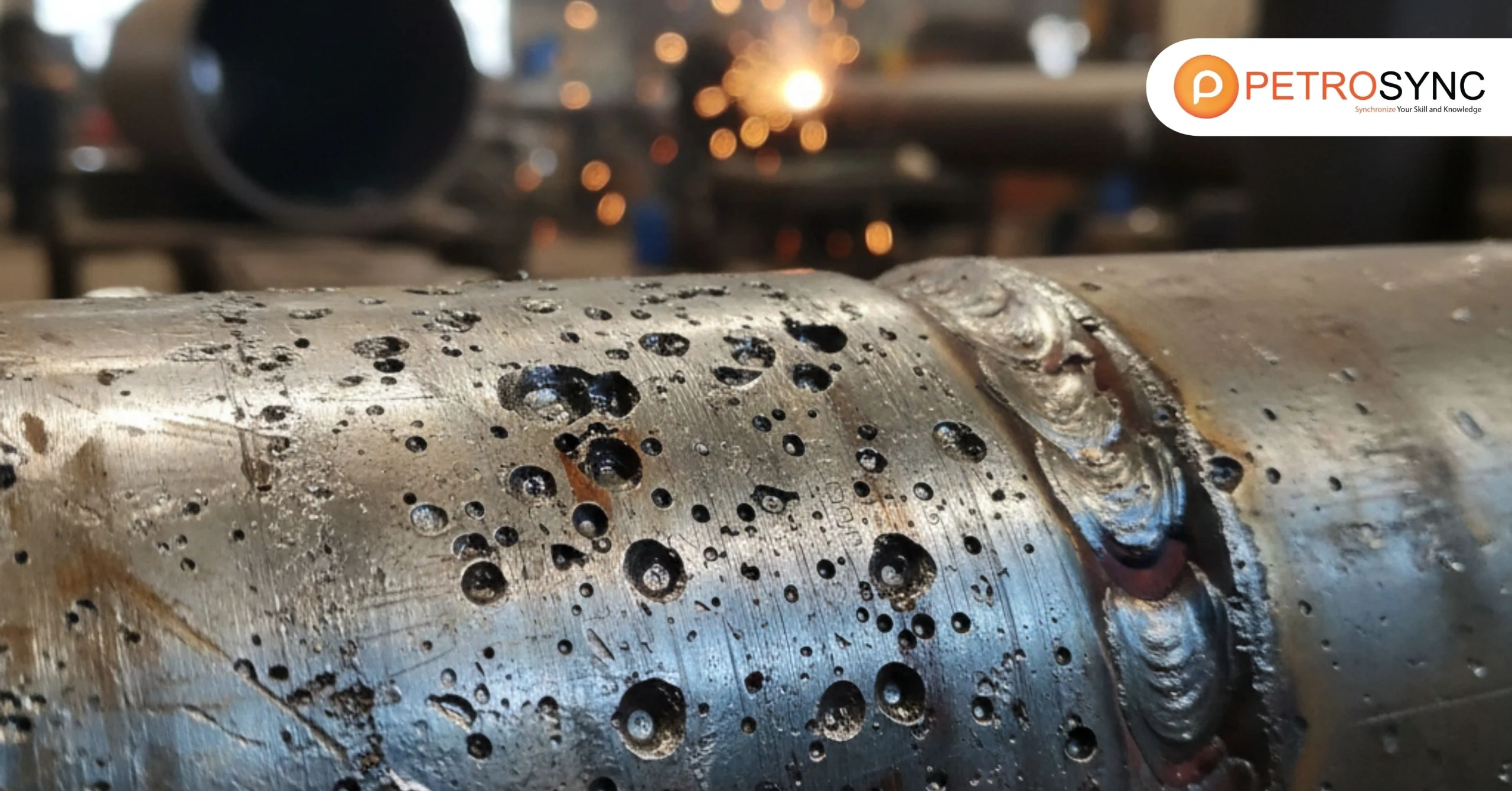
API 510 plays a critical role in ensuring the safety and integrity of pressure vessel used across the oil and gas, and petrochemical industries. These industries depend on high-pressure systems, where even minor failures can lead to serious risks, operational…
In the highly specialized sectors of oil, gas, petrochemicals, and energy, being current on industry trends is critical to success. Obtaining recognized certifications such as API (American Petroleum Institute) can be transformative for people seeking technical excellence and career progress.…
What Is ISO 55000? ISO 55000 is an international standard covering the management of assets of any kind that provides guidelines for effective asset management. It outlines best practices and principles to help organizations manage their assets in a way…
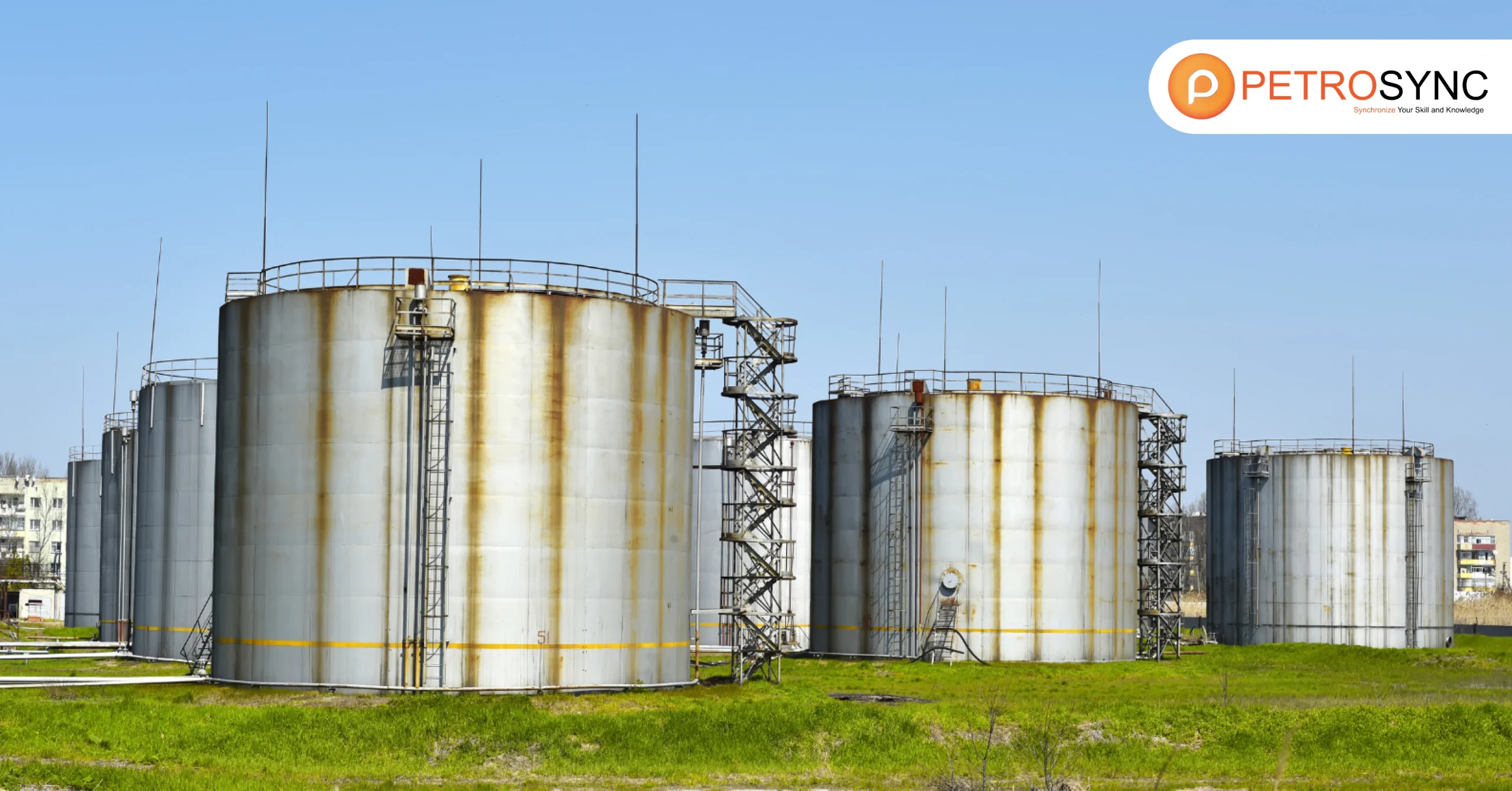
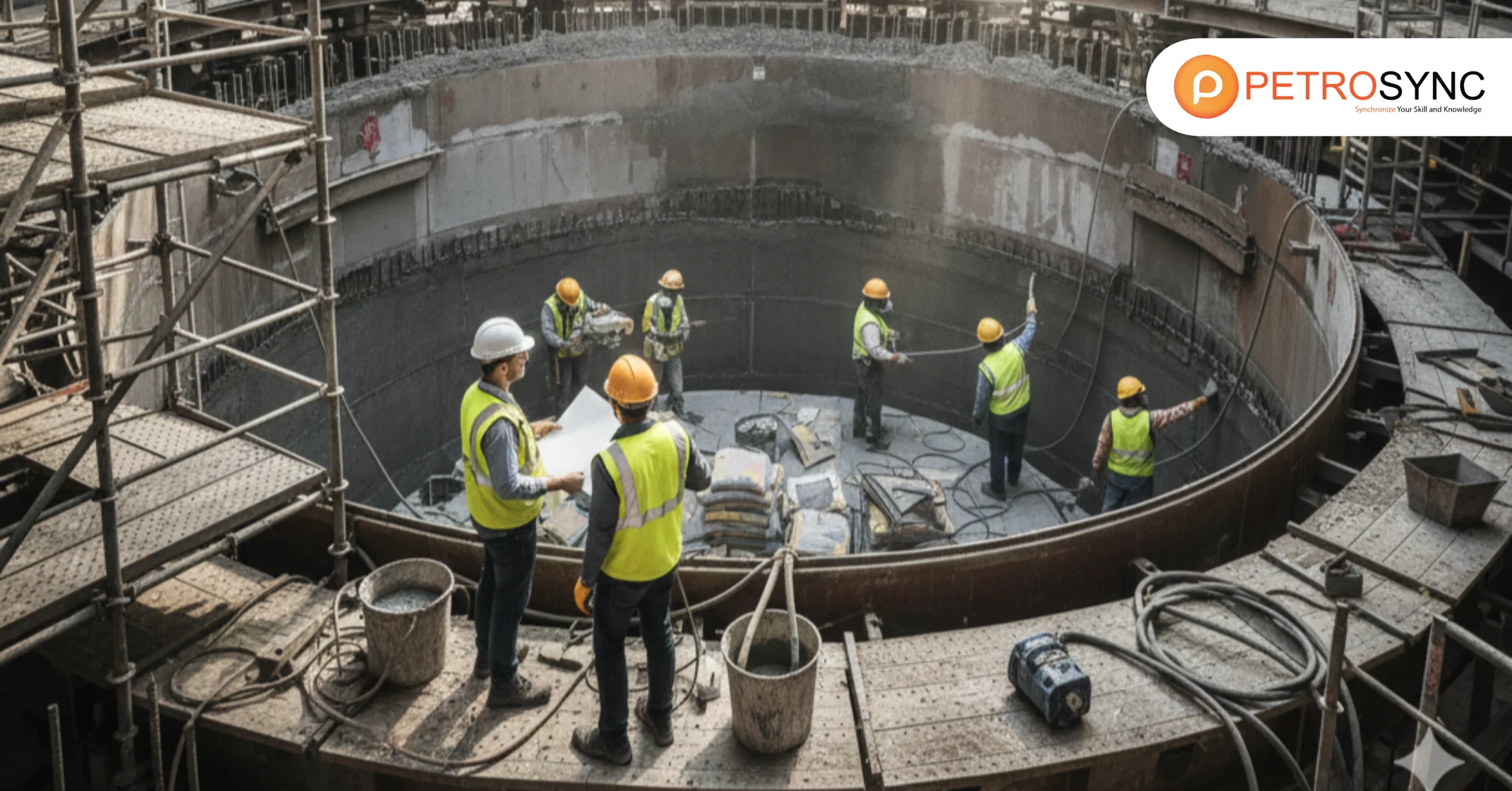
API 653 is a standard developed by the American Petroleum Institute (API) that guides the inspection, repair, alteration, and reconstruction of aboveground storage tanks (ASTs) used to store petroleum, chemicals, and related materials. The standard addresses various aspects of AST…
Pipeline system safety and dependability are critical components of industrial operations, particularly in the oil and gas, petrochemical, and energy sectors. Professionals seeking to expand their expertise in this industry place a high value on the API 570 Piping Inspector…
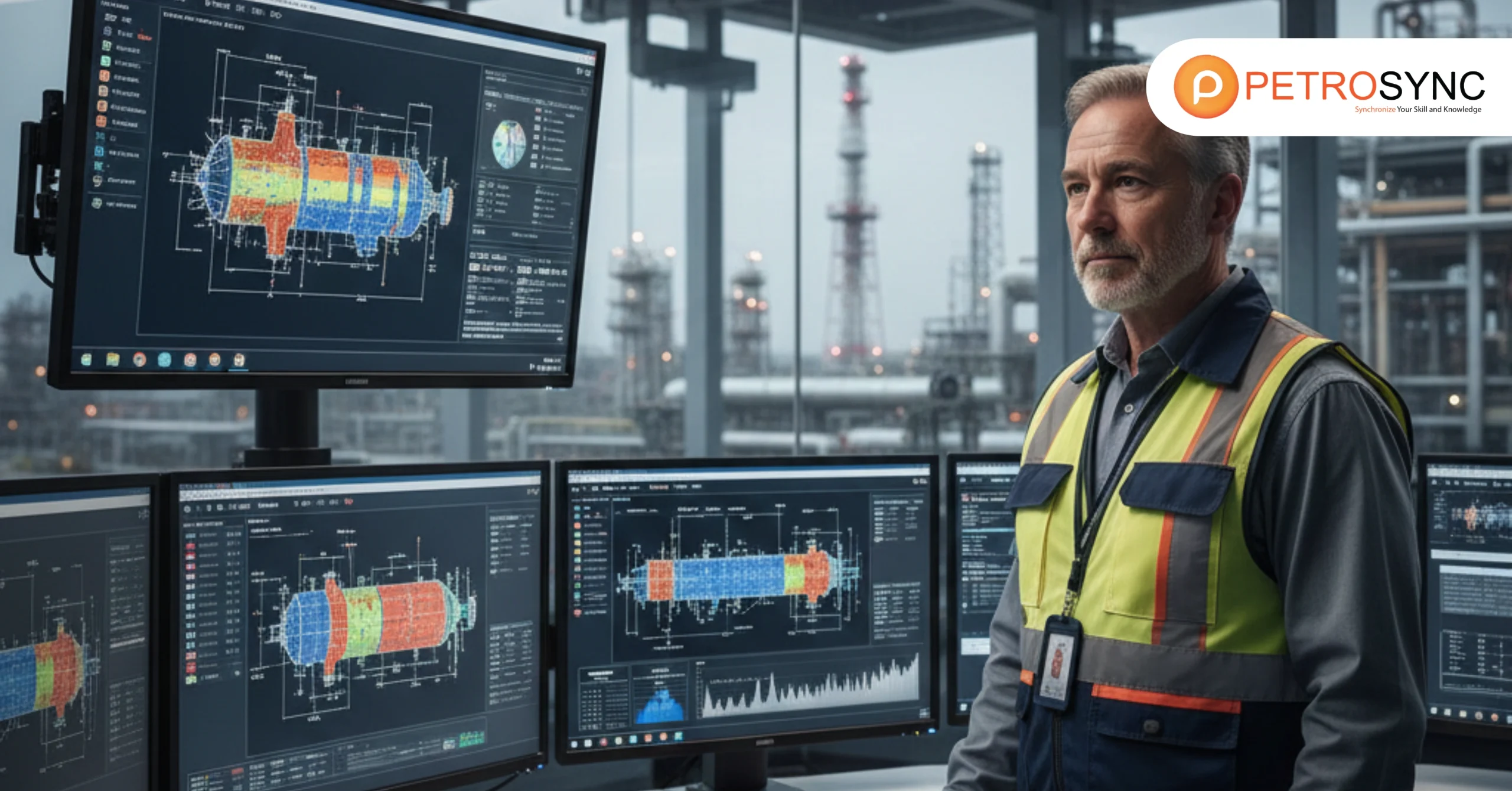
API 510 is a standard issued by the American Petroleum Institute (API) that offers guidance and mandates for the examination, maintenance, modification, and integrity management of pressure vessels utilized in the oil and gas sector. API 510 ensures the safety…
In the realm of API 936 training, knowledge and opportunity collide. This training will go into greater detail on assuring the integrity and dependability of materials and installations as primary factors. So that participants in this program can succeed in…
API Training has become a critical foundation for engineering teams as industries face increasing pressure to strengthen safety,z reliability, and operational performance. Modern facilities operate with more advanced materials, tighter tolerances, and rapidly evolving regulatory expectations. In such environments, experience…
In the dynamic fields of oil and gas, petrochemicals, and energy, the meticulous qualification of welding, brazing, and fusing procedures holds paramount importance. ASME Section IX serves as a vital tool in regulating and defining the standards for these critical…
Accident Causation Theories play a critical role in the oil and gas industry, where workplace incidents can lead to operational disruption, financial loss, reputational damage, and, most importantly, human injury. For senior leaders and HSE managers, understanding why accidents occur…