In the modern oil and gas sector, strong technical expertise has become a business necessity. Companies face ongoing demands to improve asset reliability, lower operational risk, manage maintenance budgets, and maintain safe production targets. One challenge continues to stand out:…
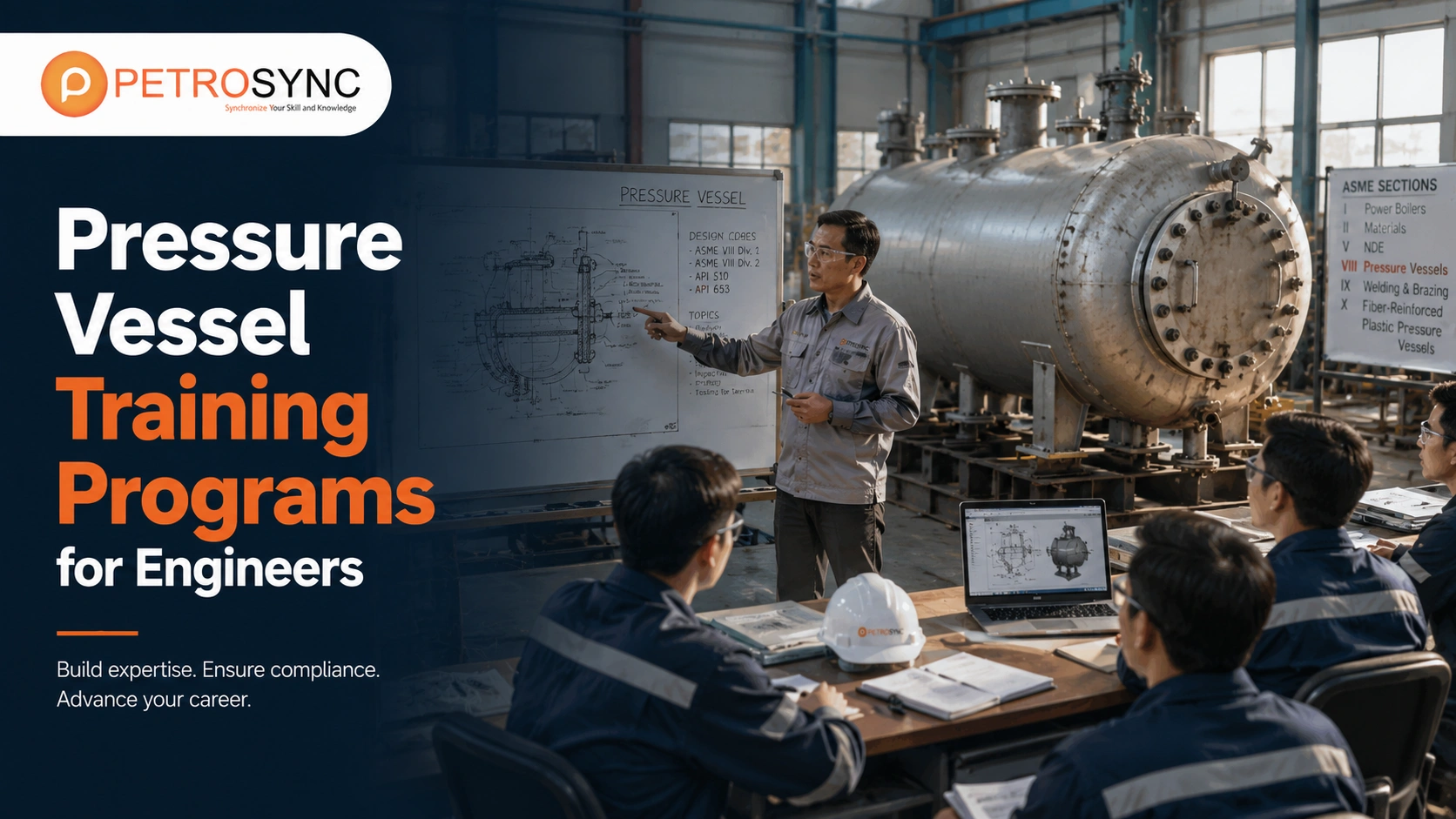
For many engineers, inspectors, and technical specialists, the API 510 Course remains a practical step toward steady career progress. It helps participants deepen their understanding of pressure vessel inspection, strengthen awareness of compliance standards, and expand opportunities across the oil…
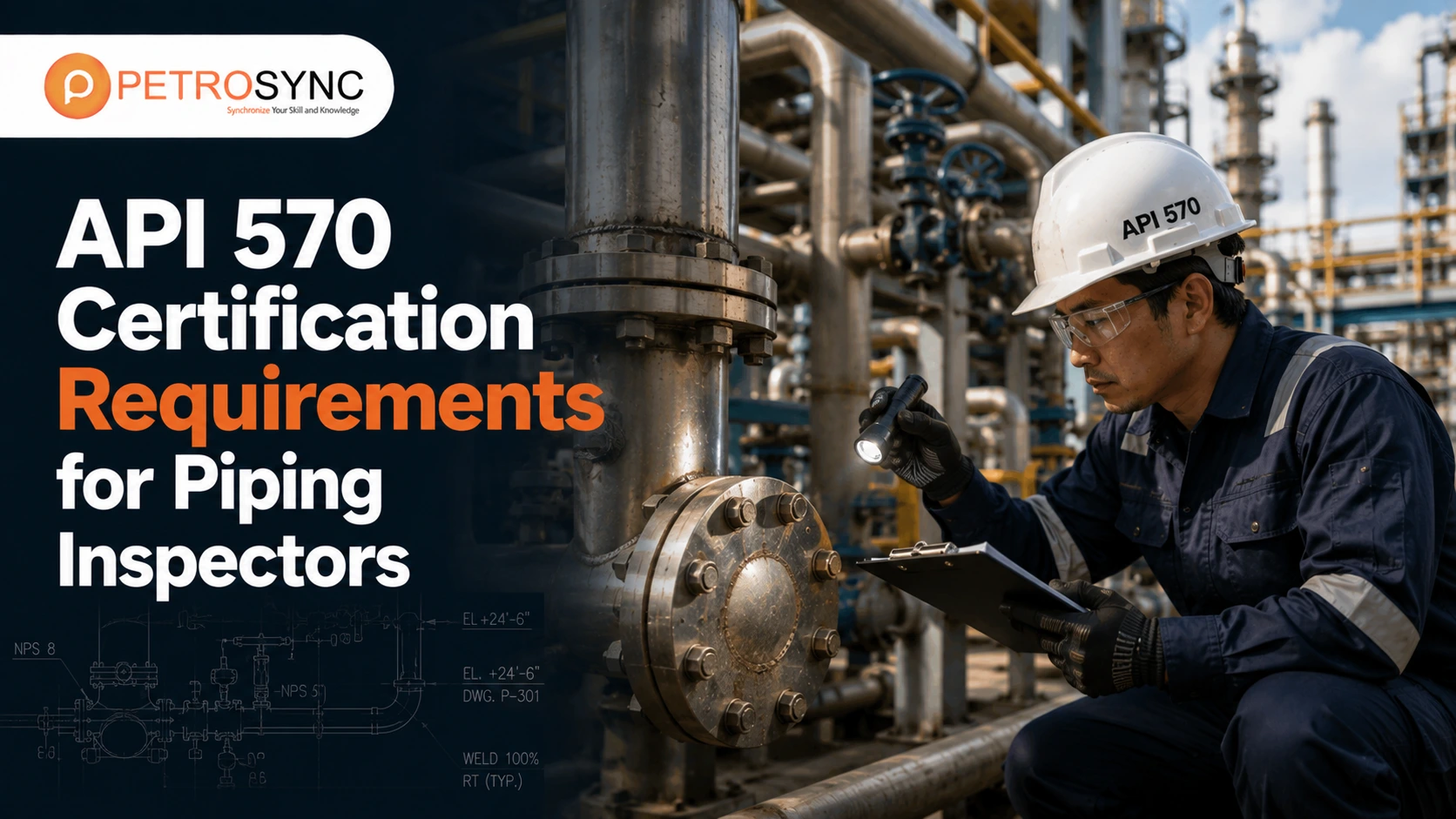
API 570 Course is widely regarded as one of the most valuable development programs for professionals who oversee piping systems in the oil and gas sector. It supports engineers, inspectors, managers, and technical decision-makers in strengthening their understanding of piping…
API Standard remains one of the key pillars behind safe, efficient, and profitable operations in the oil and gas sector. When inspection programs break down, maintenance actions are postponed, or asset integrity is misunderstood, the impact can be significant—unexpected shutdowns,…
API 571 Course is widely recognized as a high-value training program for professionals who want to strengthen inspection knowledge, improve equipment reliability, and lower operational risk in the oil and gas sector. For companies that rely on critical assets, stronger…
Visual inspection is extra than simply a hobby mission in high-risk, high-value industries like oil and gas. It’s a frontline strategy—one that, if overlooked, can enable tiny cracks, misalignments, or leaks to snowball into multimillion-dollar failures. The stakes are by…
In oil and gas facilities such as refineries, petrochemical plant, and processing units, equipment operates under extreme industrial conditions. High temperatures, corrosive substances, mechanical stress, and chemical reactions can gradually cause material degradation and structural damage to critical assets like…
In many oil and gas facilities, fired heaters play a critical role in maintaining production efficiency and process stability. These units are widely used in refineries, petrochemical plant, and gas processing facilities to heat crude oil, process fluids, and chemical…
In the oil and gas industry, maintaining the integrity of equipment and pressure-containing components is critical for operational safety, reliability, and efficiency. Over time, equipment can experience corrosion, fatigue, and other degradation mechanisms, which, if left unassessed, can lead to…
In the oil and gas industry, piping systems are essential for transporting fluids safely and efficiently. They operate under high pressure and temperature, often carrying hazardous substances, making their integrity critical for operational safety, environmental protection, and regulatory compliance. Professionals…