Pneumatic testing is a commonly employed technique in the oil and gas industry to assess the integrity of pressure vessels, pipelines, and other components. Pneumatic testing has various benefits making it become a preferable technique. In this discussion, we will…
Drilling Rig Engineer plays a critical role in driving high-performance drilling operations within the oil and gas industry. As exploration environments become more complex and expectations for productivity and safety continue to rise, the presence of skilled drilling engineers is…
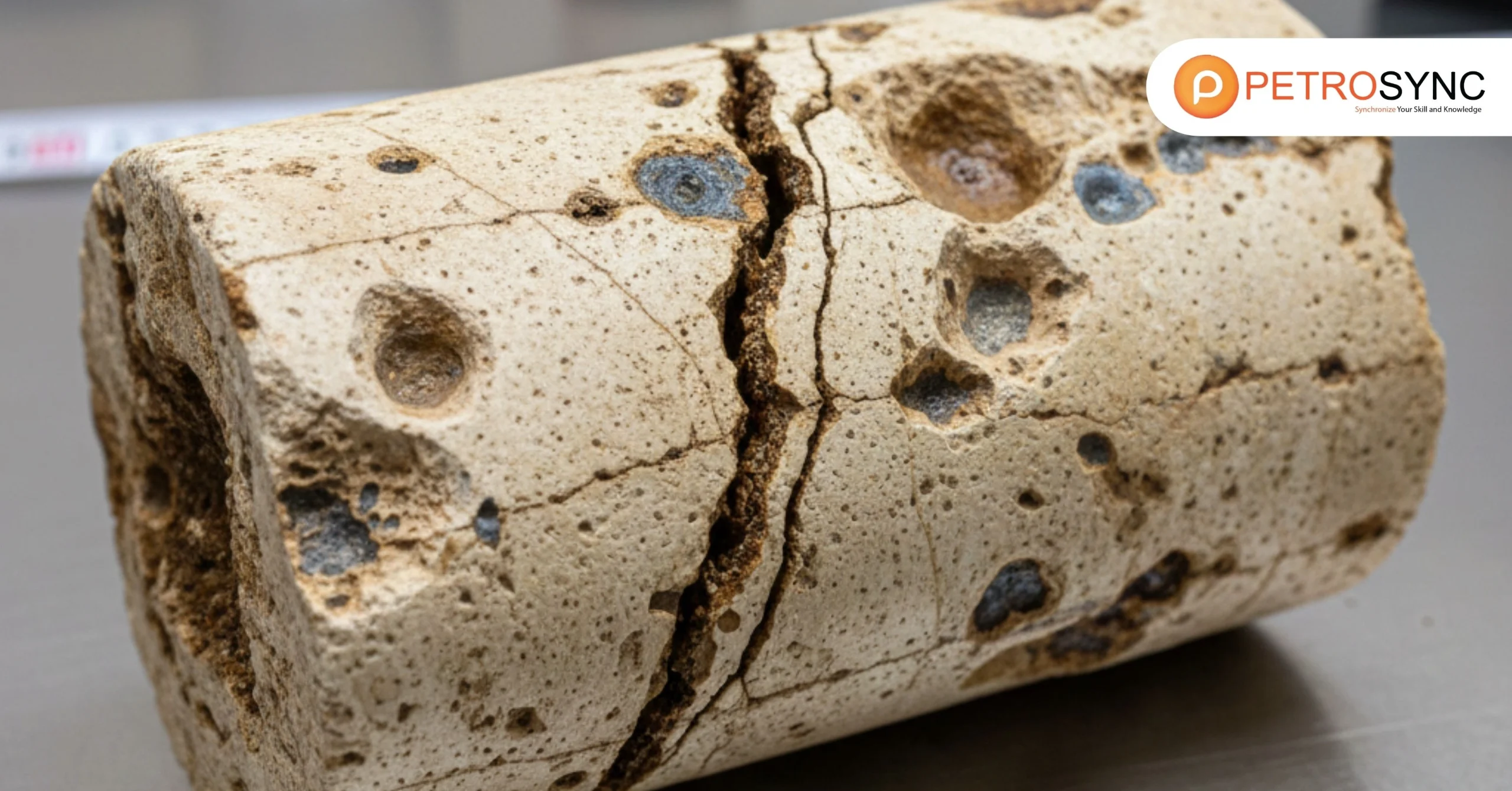
Porosity in petroleum reservoirs is far more than empty space in rocks — it is the heartbeat of hydrocarbon reservoirs, determining how much oil and gas can be stored, how efficiently it can move, and ultimately how valuable a field…
In today’s fast-evolving energy and industrial landscape, mechanical system design is no longer just a drafting task — it has become a strategic advantage. Mechanical design technology enables organizations to innovate faster, reduce costs, improve safety, and enhance operational efficiency.…
Piping class plays a critical role in ensuring safe and reliable operations in the oil and gas industry. Even a minor misstep in piping design can lead to serious safety incidents, environmental risks, or costly operational shutdowns. Implementing the correct…
Mechanical design training is becoming essential for engineers and organizations aiming to stay ahead in today’s fast-evolving engineering landscape. As equipment becomes more complex, safety regulations more stringent, and operational risks higher, relying solely on experience is no longer sufficient.…
Mechanical design courses are essential for engineers and senior managers seeking to tackle today’s complex engineering challenges. In industries like EPC, oil and gas, and heavy industry, professionals face growing pressure to deliver projects faster, safer, and more cost-effectively. For…
Crevice corrosion poses a hidden but significant threat in oil and gas operations. Even small, unseen weaknesses can escalate into costly failures, as this type of localized corrosion often develops beneath gaskets, bolts, insulation, and overlapping components. It progresses aggressively…
Galvanic corrosion has become one of the most persistent and underestimated threats to asset integrity across the oil and gas and petrochemical industries. As operating environments grow harsher, materials become more diverse, and production demands intensify, this corrosion mechanisms quietly…
Petroleum industry analysis has become one of the most essential capabilities for leaders navigating today’s increasingly complex energy landscape. The sector no longer moves at a predictable pace; instead, it is shaped by geopolitical uncertainty, market volatility, energy transition pressures,…