

Oil and gas equipment plays a pivotal role in shaping the success of upstream, midstream, and downstream operations across the energy industry. From high-powered drilling systems to real-time monitoring tools, every component is part of a larger ecosystem that drives energy production forward—safely, efficiently, and profitably.
Yet, despite its central importance, equipment in the oil and gas sector is often treated reactively rather than strategically. This mindset leads to costly downtime, safety incidents, and preventable failures. For senior professionals, engineers, and decision-makers, the real challenge isn’t just managing equipment—but optimizing it to align with long-term performance goals.
In this article, we’ll explore how oil and gas equipment functions across the value chain, the challenges in maintaining it, and the smart practices that can transform your assets into powerful business enablers.
Understanding the Role of Equipment in the Oil and Gas Industry
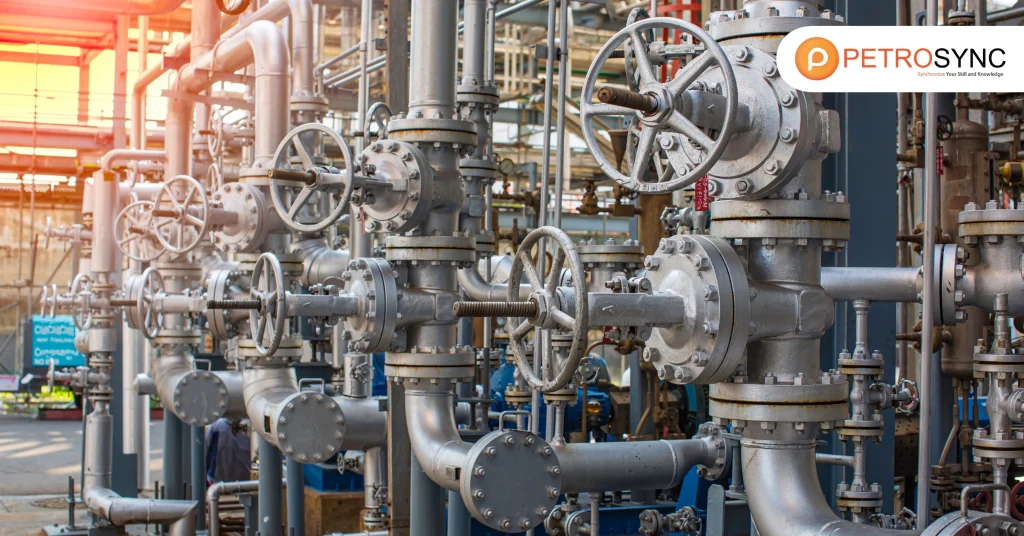
Oil and gas equipment is not just machinery—it is the core infrastructure that supports every operational decision. From wellsite operations to terminal logistics, equipment ensures continuity, compliance, and control. Whether it’s enabling high-precision drilling or maintaining process safety under extreme pressure, each piece of equipment directly impacts productivity and profitability.
Efficient equipment management not only reduces unplanned downtime but also enhances safety and extends asset life cycles. Strategic equipment use can lead to substantial cost savings and measurable production improvements—especially when aligned with advanced maintenance and monitoring systems.
Types of Oil and Gas Equipment and Their Applications
The oil and gas industry relies on an array of specialized equipment. Each type is tailored to meet operational needs at different stages of the energy supply chain.
1. Drilling Equipment
Drilling equipment includes rotary rigs, drill bits, top drives, mud pumps, and blowout preventers. These tools are designed to penetrate deep reservoirs while maintaining wellbore integrity. With modern drilling now reaching complex horizontal and ultra-deep formations, the demands on this equipment—and the skills to operate it—are higher than ever.
2. Production Equipment
Once hydrocarbons reach the surface, production equipment takes over. This includes wellheads, separators, manifolds, and artificial lift systems such as ESPs and sucker rod pumps. Their role is to control pressure, manage multiphase flows, and maximize recovery from each well, ensuring operational efficiency and well longevity.
3. Processing Equipment
Processing units like compressors, heat exchangers, dehydrators, and distillation towers prepare crude oil and natural gas for transport or refining. These systems ensure separation of impurities, stabilization of flow properties, and quality control for downstream customers. They are mission-critical in meeting market and regulatory expectations.
4. Transportation and Storage Equipment
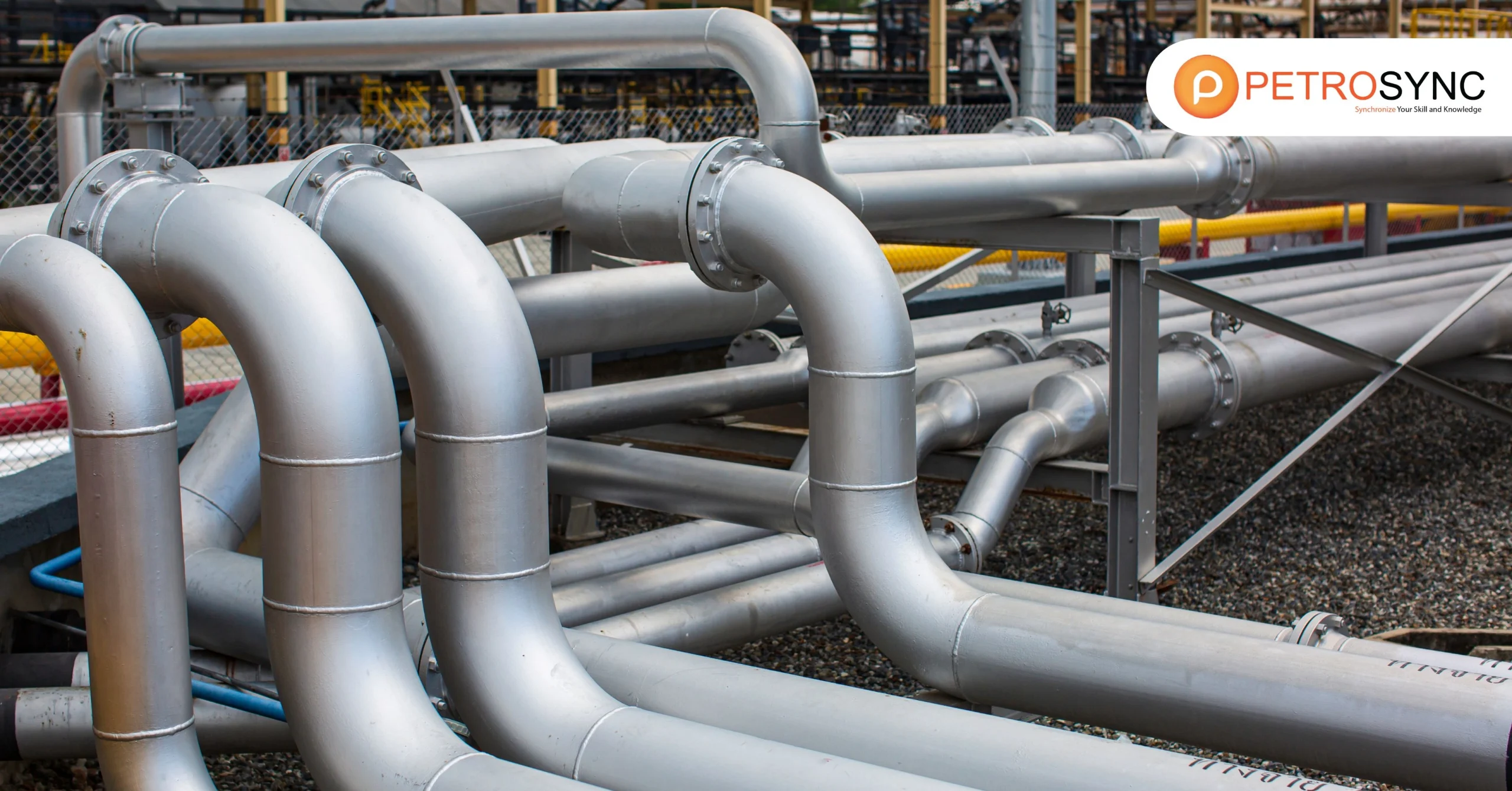
Pipelines, tank farms, pump stations, and liquefaction terminals form the transport network for energy commodities. These systems require corrosion resistance, flow assurance mechanisms, and constant monitoring. Failures in these systems can result in significant losses, both financially and environmentally.
5. Safety and Monitoring Equipment
Safety equipment—ranging from gas detectors and fire suppression systems to SCADA networks and emergency shutdown valves—plays a crucial role in mitigating operational risk. These systems allow operators to monitor real-time data, identify early warnings, and act before incidents escalate.

Challenges in Maintaining Oil and Gas Equipment
Despite technological progress, equipment in this sector continues to face complex maintenance challenges. These must be addressed proactively to avoid cascading failures.
1. Harsh Operating Environments
Oil and gas fields are located in some of the world’s harshest environments—offshore platforms, arid deserts, and polar regions. Equipment here is exposed to high pressure, extreme temperatures, saline water, and chemical agents, which accelerate fatigue and mechanical failure.
2. Equipment Degradation and Corrosion
Corrosion remains a major threat, particularly in facilities handling sour gas or offshore platforms. Without proper materials and preventive strategies, even minor corrosion can cause structural damage, flow restrictions, or catastrophic failure.
3. Downtime and Operational Delays
Unscheduled equipment failure often results in halted operations, leading to missed deadlines, contractual penalties, and lost revenue. Even a few hours of downtime in a major facility can result in six- or seven-figure losses.
4. Compliance with Safety Standards
Regulatory bodies enforce strict standards such as API, ASME, and ISO. Ensuring compliance involves rigorous inspection, testing, documentation, and staff training. Failure to comply not only puts lives at risk but also exposes companies to legal and reputational consequences.
Best Practices for Optimizing Equipment Performance
To overcome these challenges and stay competitive, companies must shift from reactive to proactive strategies—placing performance, safety, and reliability at the forefront.
1. Implementing Predictive Maintenance
Predictive maintenance uses data analytics, sensors, and machine learning to anticipate failures before they occur. By analyzing vibration, pressure, and temperature trends, operators can schedule maintenance at optimal times—reducing both downtime and maintenance costs while extending asset lifespan.
2. Conducting Regular Inspections and QA/QC
Routine inspections, supported by quality assurance and control systems, help detect abnormalities early. Technologies like thermal imaging, ultrasonic testing, and drones improve inspection accuracy, minimize human exposure to risk, and reduce guesswork.
3. Training and Certification for Engineering Teams
Equipment is only as effective as the people who operate it. Skilled personnel understand how to interpret performance data, conduct precise troubleshooting, and execute repairs that prevent repeat failures. Investing in certified training equips teams to handle modern challenges with confidence and clarity.
4. Leveraging Digital Tools and Monitoring Systems
IoT-based monitoring, digital twins, and real-time analytics are revolutionizing equipment management. These tools enable remote supervision, scenario simulations, and immediate alerts for abnormal conditions—empowering managers to make faster, smarter decisions.
Enhance Your Equipment Expertise with PetroSync Training
Having state-of-the-art equipment is only part of the solution. What truly sets top-performing organizations apart is the ability to maximize that equipment through expert knowledge, proper maintenance, and continuous improvement.
That’s where PetroSync steps in.
We offer industry-focused training tailored for senior engineers, managers, and executives who need to strengthen their expertise in oil and gas equipment performance, API compliance, predictive maintenance, and asset reliability. Our programs combine theory with real-world applications, giving you tools you can implement immediately on site.
Whether you’re looking to cut downtime, meet safety targets, or boost operational efficiency, PetroSync training empowers your team with proven methods and global best practices.

Results-oriented and thorough SEO specialist with extensive experience in conducting keyword research, developing and implementing digital website promotion strategies and plans, managing campaigns to develop company websites in the digital world, excellent knowledge of marketing techniques and principles, and attentive strong attention to detail.