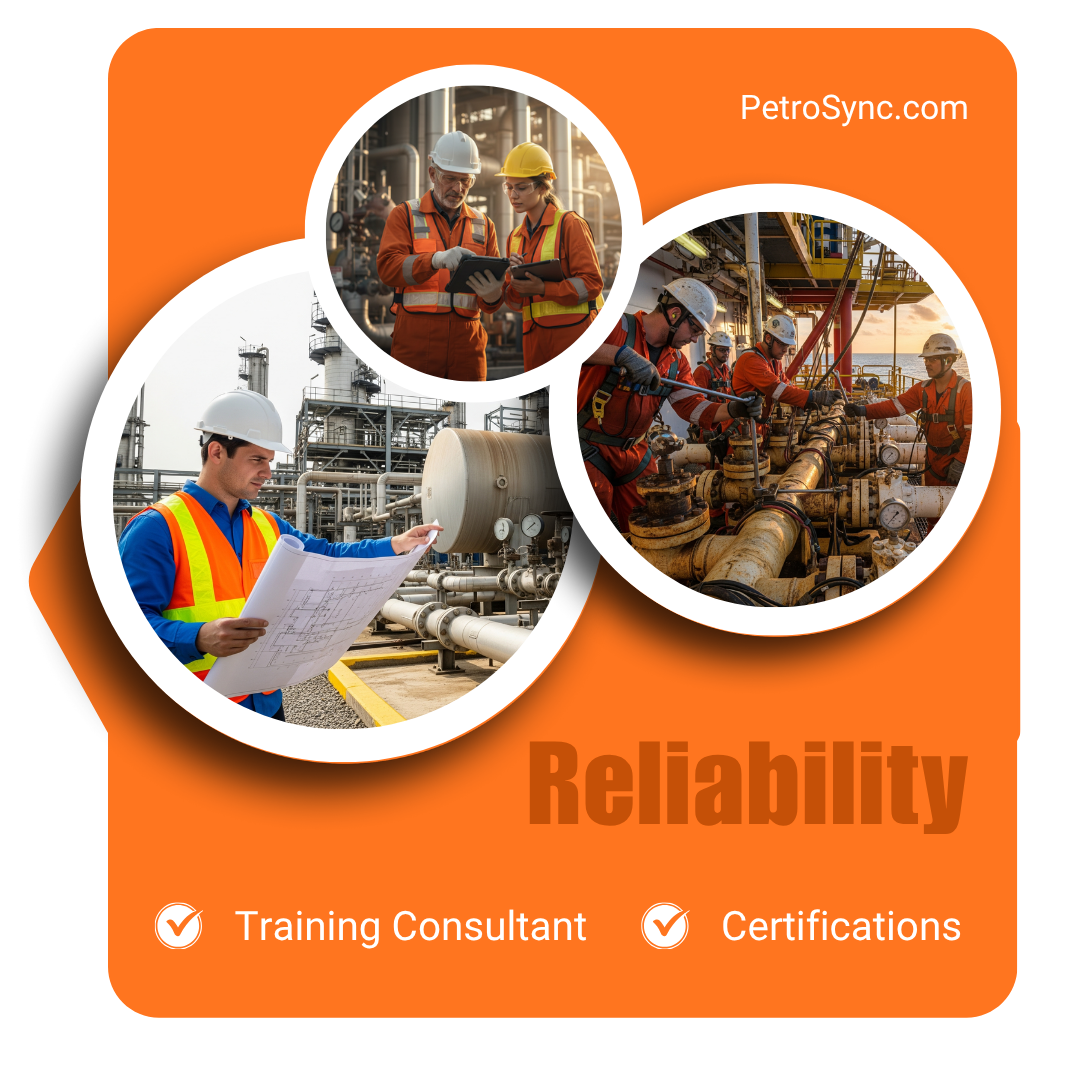



In asset-intensive industries like oil and gas, the stakes are high. Equipment failures can halt production, inflate costs, and compromise safety. For senior leaders, investing in reliability engineering certification isn’t just a credential—it’s a strategic decision that strengthens operational resilience, enhances performance, and drives measurable business outcomes.
With the right certification, professionals gain the knowledge to implement advanced maintenance strategies, optimize uptime, and ensure compliance with international standards. Let’s explore why this credential is indispensable for industry leaders.
Why Reliability Engineering Certification is a Game-Changer for Industry Professionals

1. Enhancing Equipment Uptime and Operational Efficiency
Certified reliability engineers learn to apply predictive maintenance, monitor asset health, and leverage statistical models to anticipate failures. Research in industrial analytics shows that structured reliability programs can reduce unplanned downtime by up to 30% and improve overall equipment performance by 10%.
The impact? Smoother operations, fewer production interruptions, and higher throughput—benefits that directly affect profitability and stakeholder confidence.
2. Reducing Maintenance Costs and Unexpected Failures
Certification enables a shift from reactive repairs to proactive maintenance planning. Professionals acquire tools such as failure mode analysis, root-cause investigation, and life-data analysis to prevent failures before they occur.
Organizations implementing these practices report 15–20% lower maintenance costs and a 25–30% reduction in unexpected downtime, freeing capital for innovation and strategic investments.
3. Aligning with Global Industry Standards and Best Practices
Recognized certifications align professionals with international frameworks like ISO 55000 for asset management or SAE guidelines for reliability-centered maintenance. This ensures organizations benchmark globally, reduce risk exposure, and improve compliance—critical factors in regulated industries such as oil and gas.
The Top Benefits of a Reliability Engineering Certification for Your Career
1. Boosting Career Growth and Professional Credibility
Certification validates expertise and signals leadership potential. Certified Reliability Engineers often become trusted advisors, leading cross-functional initiatives, influencing asset management strategies, and opening doors to senior leadership roles.
This credibility extends beyond the organization, enhancing professional reputation in industry networks and creating new career opportunities.
2. Improving Risk-Based Decision Making in Asset Management
Certification equips professionals to assess and mitigate risks systematically. Using risk-based inspection (RBI) and maintenance prioritization frameworks, they can focus resources on assets posing the greatest operational or financial risk.
This approach leads to data-driven decisions, optimized reliability, and minimized operational surprises.
3. Strengthening Cross-Functional Collaboration in Engineering Teams
Reliability knowledge bridges functional silos such as operations, maintenance, and engineering. Certified professionals share a common language and methodology, fostering more effective collaboration and streamlined decision-making.
Aligned teams achieve more predictable and efficient operations, which is key for senior management oversight.

How a Reliability Engineering Certification Transforms Maintenance and Asset Management
1. From Reactive to Predictive and Proactive Maintenance
Certification promotes a shift from reactive maintenance to predictive and proactive strategies. Techniques such as condition monitoring, real-time analytics, and predictive modeling enable engineers to anticipate failures before they occur.
Studies show predictive maintenance significantly improves equipment availability and operational efficiency while reducing unplanned costs.
2. Implementing Advanced Reliability Strategies like RBI and RCM
Certified professionals implement Reliability-Centered Maintenance (RCM) and Risk-Based Inspection (RBI) to prioritize necessary maintenance and inspections based on risk assessment.
These strategies enhance asset life-cycle performance, reduce interruptions, and maximize the return on maintenance investment.
3. Enhancing Safety, Compliance, and Regulatory Adherence
Reliability engineering certification strengthens safety practices by helping engineers anticipate failure propagation. Organizations with structured reliability programs report fewer safety incidents and improved compliance with regulations.
Proactively managing reliability ensures safer operations, minimized fines, and stronger reputational standing.
Choosing the Right Reliability Engineering Certification for Maximum Impact
1. Accreditation and Industry Recognition
The most impactful certifications are recognized by global maintenance and reliability bodies and align with standards such as ISO 55000. Accreditation ensures credibility and relevance in the oil, gas, and petrochemical industries.
2. Real-World, Applicable Training Content
Top certifications address real challenges—high-pressure systems, rotating equipment, and safety-critical assets. Practical exercises and case studies ensure immediate applicability in operations.
3. Post-Certification Support and Mentorship
Effective certification programs offer ongoing support, mentoring, and access to professional networks. This helps embed reliability practices into daily operations and ensures continuous improvement.
Take Your Reliability Engineering Certification Further with PetroSync Training
For senior leaders and managers, PetroSync’s Certified Reliability Engineer (CRE) training provides a powerful path to operational excellence. The program covers advanced reliability modeling, predictive maintenance, failure analysis, and availability optimization.
Delivered by experienced industry professionals, it combines theory with practical exercises and real-world case studies. Participants also gain access to mentoring and a professional network, ensuring long-term impact.
Investing in this certification strengthens your organization’s predictive capabilities, reduces maintenance costs, improves safety, and aligns operations with international best practices. The result is measurable business growth and enhanced operational resilience.

Results-oriented and thorough SEO specialist with extensive experience in conducting keyword research, developing and implementing digital website promotion strategies and plans, managing campaigns to develop company websites in the digital world, excellent knowledge of marketing techniques and principles, and attentive strong attention to detail.